

Energy & Utilities
Protecting the infrastructure that keeps essential services running. Engineered solutions for critical energy and utility infrastructure across AMEA.
Find Your Application
Explore the energy and utility environments where protection, access, structural, acoustic and smarter infrastructure requirements need to be coordinated around the asset and its operating conditions.
Substations · Transformers · Switchgear · Grid assets
Power & Grid Infrastructure
Power plants · Process facilities · Industrial energy infrastructure
Energy & Process Facilities
Oil & gas · LNG · Offshore facilities
Onshore & Offshore Assets
Wind · Solar · Battery · Emerging energy infrastructure
Renewable & Energy Transition
Protection for Critical Energy Assets
Invicta ANARA brings together complementary protection and infrastructure capabilities so project teams can address safety, access, asset protection and operational requirements as a coordinated scope rather than as isolated products.
Transformer protection · Fire compartmentation · Blast barriers & containment · Equipment protection · Fire-rated enclosures
Fire & Blast Protection
GRP platforms & walkways · Gratings & access systems · Structural profiles · Corrosion-resistant infrastructure
Structural & Access Protection
Acoustic barrier walls · Intake & exhaust acoustic screens · Equipment enclosures
Acoustic Protection
Digital infrastructure technologies · Immersive training · Emerging infrastructure solutions
Smarter Infrastructure


Why Critical Energy Infrastructure Needs Protection
Energy and utility assets combine continuous operations, critical electrical or process equipment, maintenance access and, in many environments, demanding exposure conditions. Protection therefore needs to be considered around the wider asset, adjacent infrastructure and the consequences of disruption rather than around a single product in isolation.
Operational continuity
Fire, blast and critical equipment risk
Environmental and corrosion exposure
Access and maintainability
New-build and retrofit constraints
A Coordinated Engineering Approach to Energy Infrastructure Protection
Invicta ANARA approaches critical energy infrastructure as a project-specific system. The required combination of protection, structure, access and acoustic measures is reviewed against the asset layout, risk, interfaces, operating requirements and supporting technical evidence.
Key considerations for project-specific engineering
Project risk and purpose
Define what needs to be protected, the relevant hazard or operational concern, and the consequence the proposed system is intended to manage.
Critical interfaces
Review adjacent equipment, structures, openings, services, ventilation paths, access points and connection details that affect the complete solution.
Coordinated system selection
Consider fire and blast protection, structural and access systems, acoustic measures and smarter infrastructure requirements together where the project scope overlaps.
Evidence-led specification
Match the selected system configuration to the applicable technical documentation, testing, classification and approval evidence required for the project.
New-build and retrofit delivery
Account for installation sequence, existing infrastructure, available space, site access and the practical constraints of working around operational assets.
Maintenance and operational access
Ensure inspection, servicing, equipment replacement and routine access requirements are considered before the final configuration is selected.
Protection Priorities Across Energy & Utility Applications
The required mix of protection, access, structural and acoustic measures varies by asset type. These application groups help project teams identify the wider infrastructure requirements that may need to be coordinated.
Power & Grid Infrastructure
Energy & Process Facilities
Onshore & Offshore Assets
Renewable & Energy Transition
Reference Projects
Selected Energy & Utilities references across electrical distribution, transformer protection and GRP access infrastructure.
DEWA — UAE
RTS Link — Johor Bahru
Al Ghayl STP — UAE
Sectors We Serve
Invicta ANARA supports infrastructure programmes across sectors where safety, resilience, access, reliability and long-term operational performance shape system selection.

Energy & Utilities

Energy & Utilities
- Power & Grid Infrastructure
- Energy & Process Facilities
- Onshore & Offshore Assets
- Renewables & Energy Transition
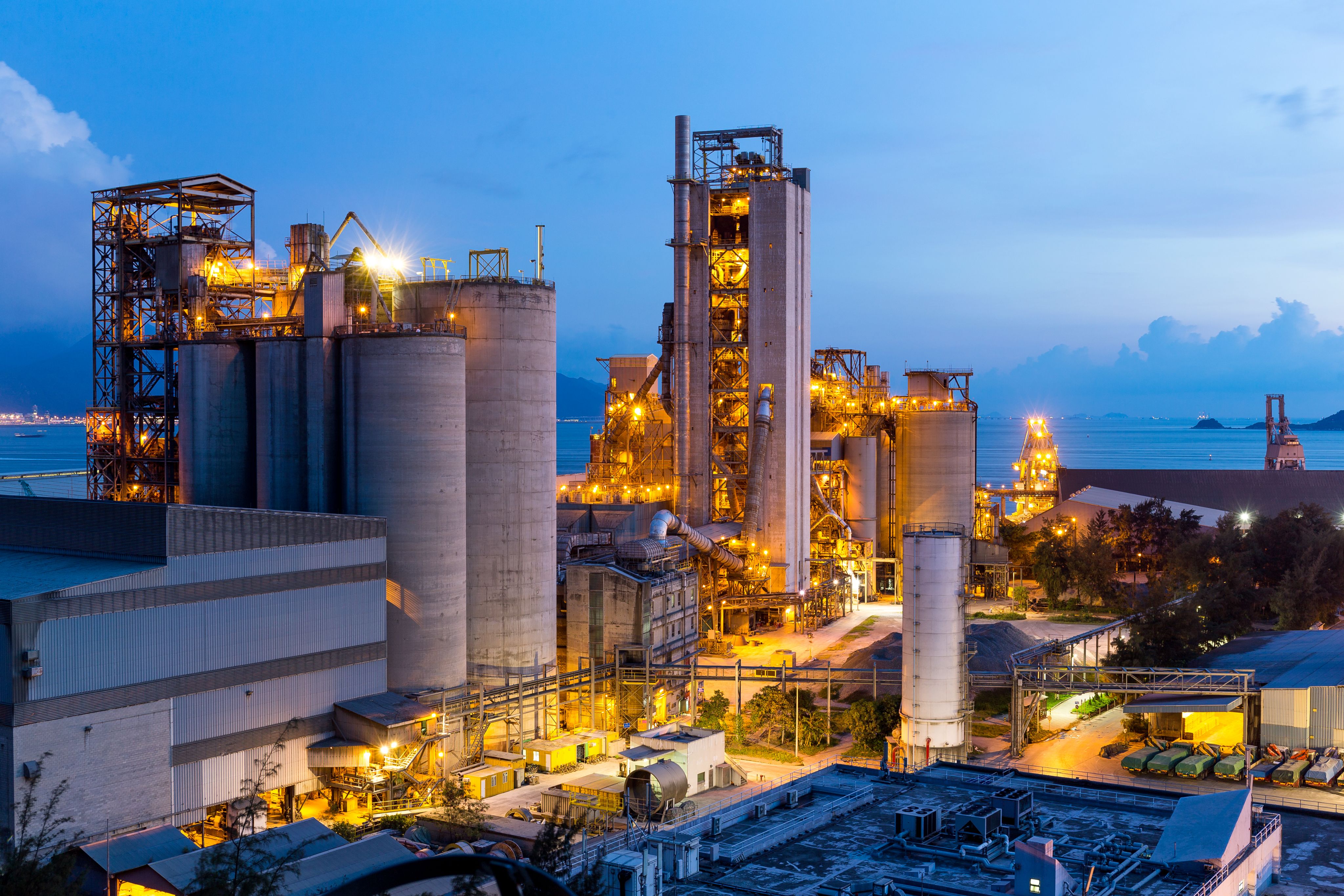
Industrial
Industrial
- Chemical & Process Plants
- Manufacturing & Heavy Industry
- Hazardous Material Storage Facilities
- Automotive & Industrial Campuses

Transportation
Transportation
- Airports & Aviation Facilities
- Metro, Rail & Mass Transit Systems
- Roads, Highways & Vehicular Tunnels
- Ports, Shipyards & Marine Transport Infrastructure
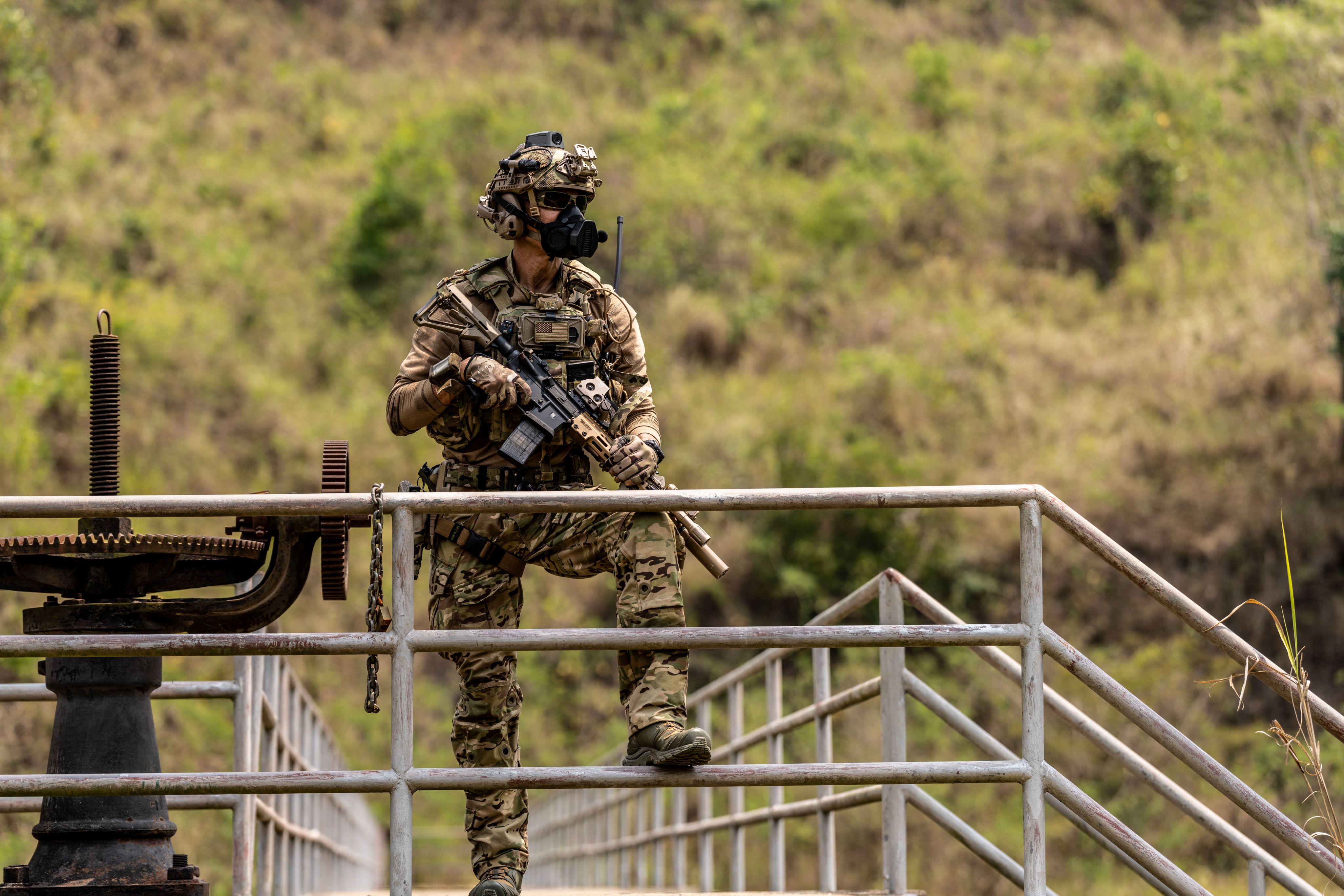
Defence
Defence
- Defence & Command Facilities
- Critical National Infrastructure (CNI)
- Secure & Hardened Assets
- Border, Coastal & Strategic Installations

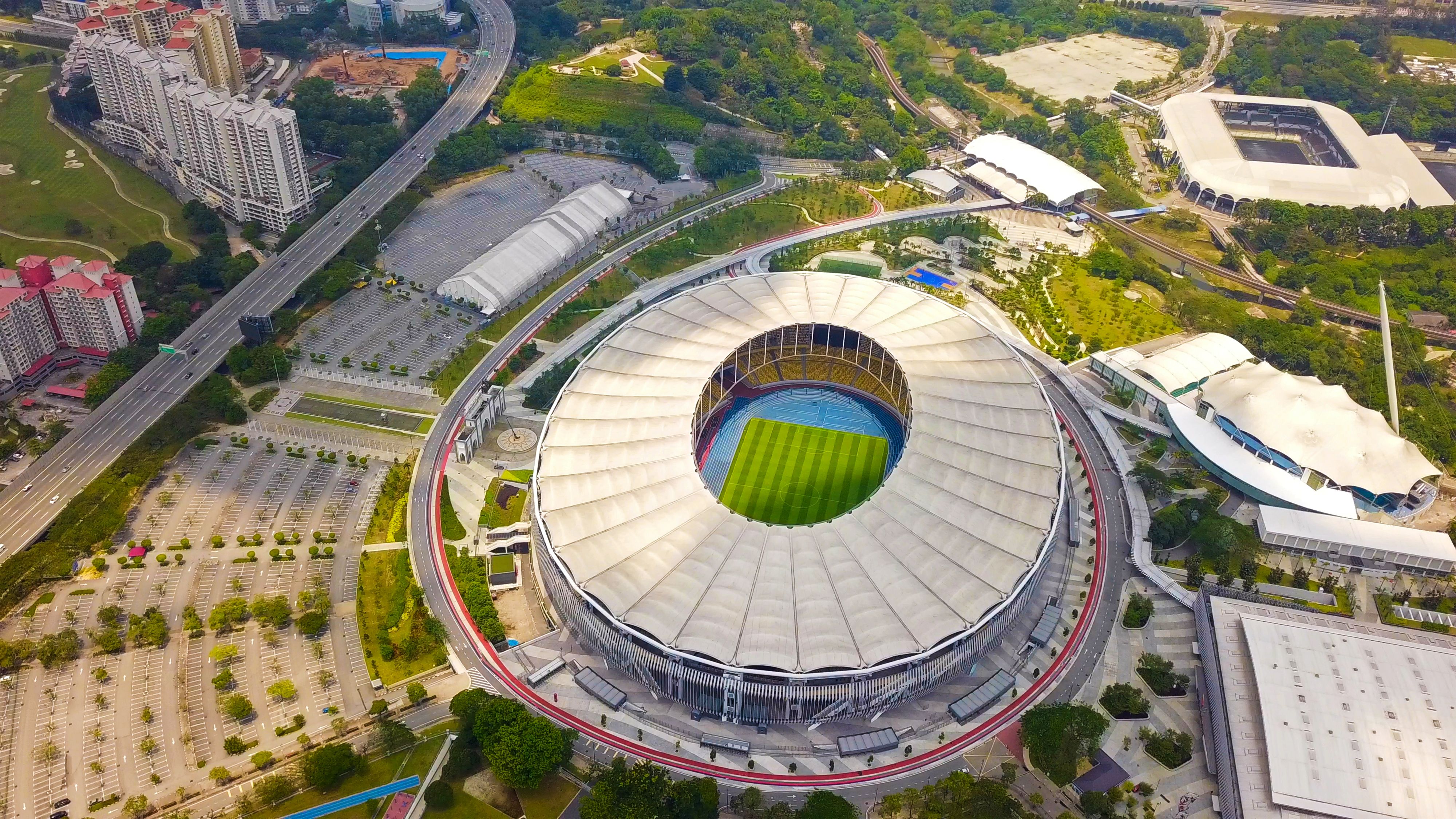
Infrastructure
Infrastructure
- Data Centres & Digital Infrastructure
- Public Venues & Stadia
- Cultural & Institutional Buildings
- Government & Diplomatic Facilities
Commercial/Mixed-Use
Commercial/Mixed-Use
- Hospitality & Leisure
- Financial & Commercial Buildings
- Mixed-Use Landmark Developments
Certification & Technical Evidence
Technical evidence should be reviewed against the specific protection system, selected configuration and project requirements. The standards shown below are part of the established certification and technical-evidence pattern used across relevant Invicta ANARA protection pages; applicability is not assumed for every Energy & Utilities application.



Latest Insights
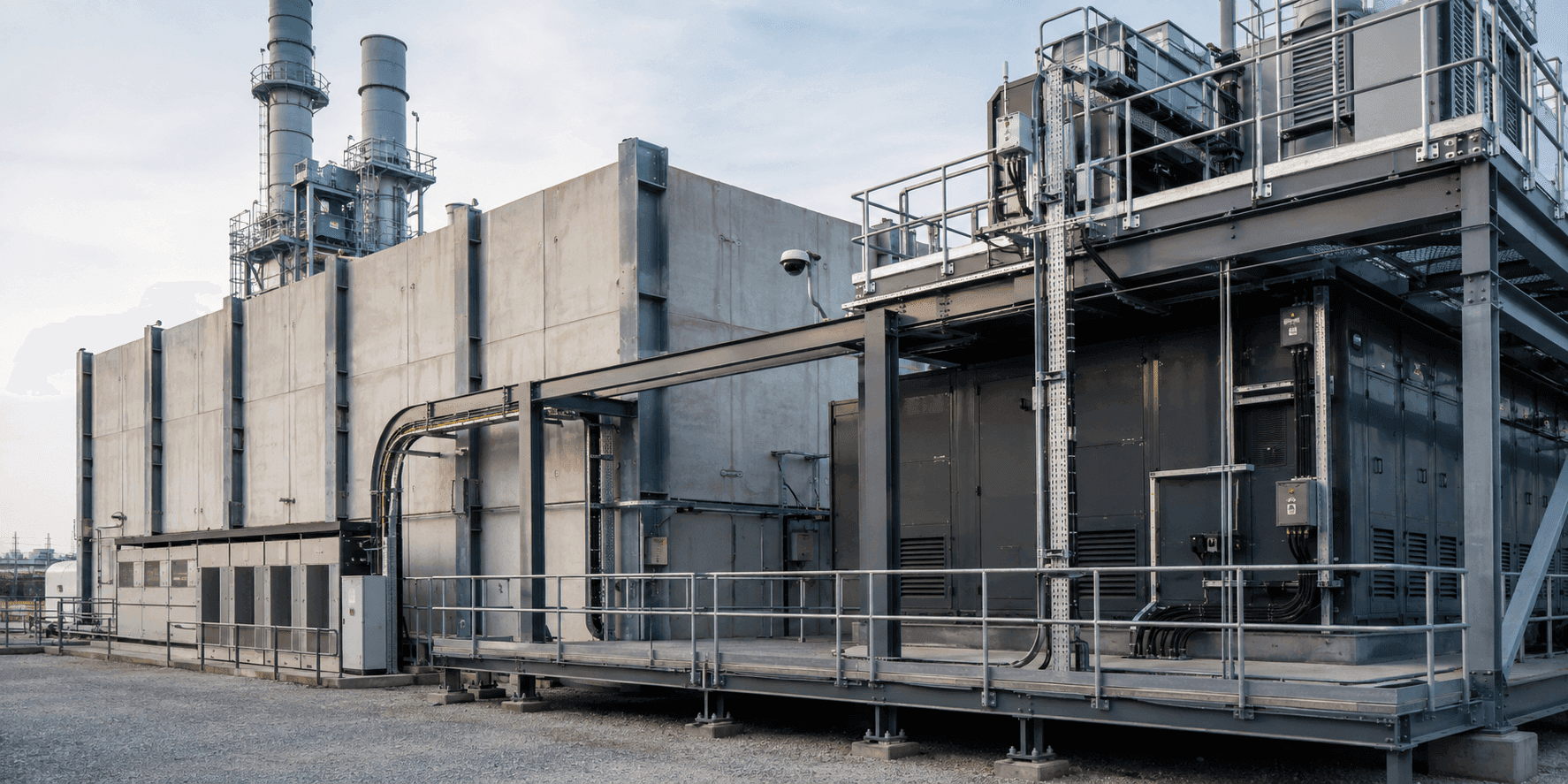

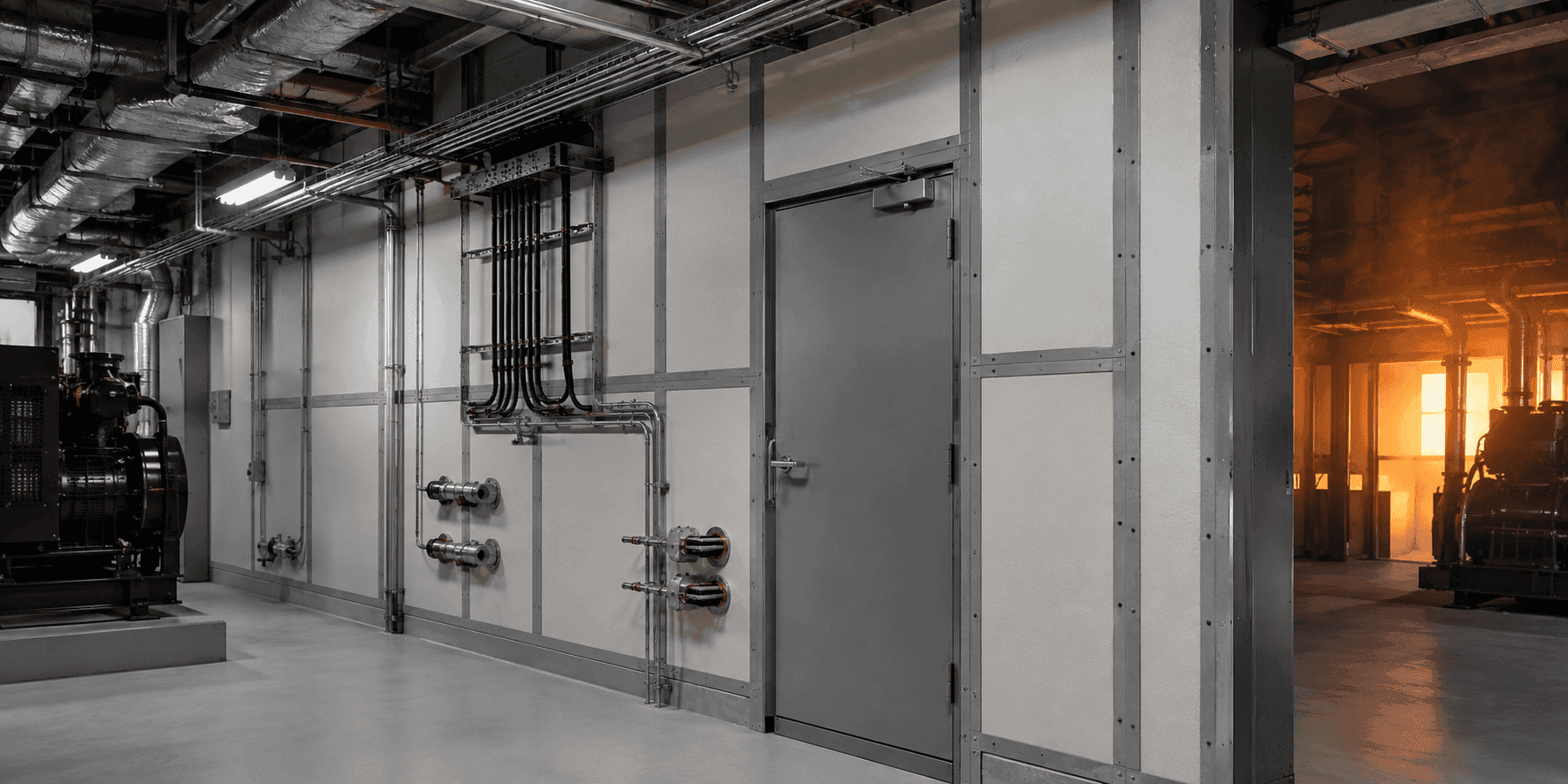

Frequently Asked Questions About Energy & Utilities Infrastructure Solutions
Answers to common questions about applications, protection approaches, project requirements and technical evidence for critical energy and utility infrastructure.
The Energy & Utilities scope covers power and grid infrastructure, energy and process facilities, onshore and offshore assets, and renewable and energy-transition infrastructure, including substations, transformers, switchgear, power plants, oil and gas, LNG, wind, solar and battery applications.
The page brings together fire and blast protection, structural and access protection, acoustic protection and smarter infrastructure capabilities. The final combination depends on the asset, project requirements and interfaces that need to be coordinated.
The approach is project-specific and coordinated around the risk, asset layout, adjacent infrastructure, access, maintenance, environmental conditions and technical evidence required for the selected systems rather than around isolated products.
Yes, where the selected system is suitable for the project. New-build and retrofit planning should consider available space, existing structures, interfaces, installation access, operating constraints and future maintenance requirements.
Useful early-stage inputs include the asset type and layout, identified hazards or operational concerns, required protection function, adjacent equipment and structures, access and maintenance needs, environmental exposure, project specifications and the technical evidence required for approval.