What Is an Integrated Infrastructure Systems Company?
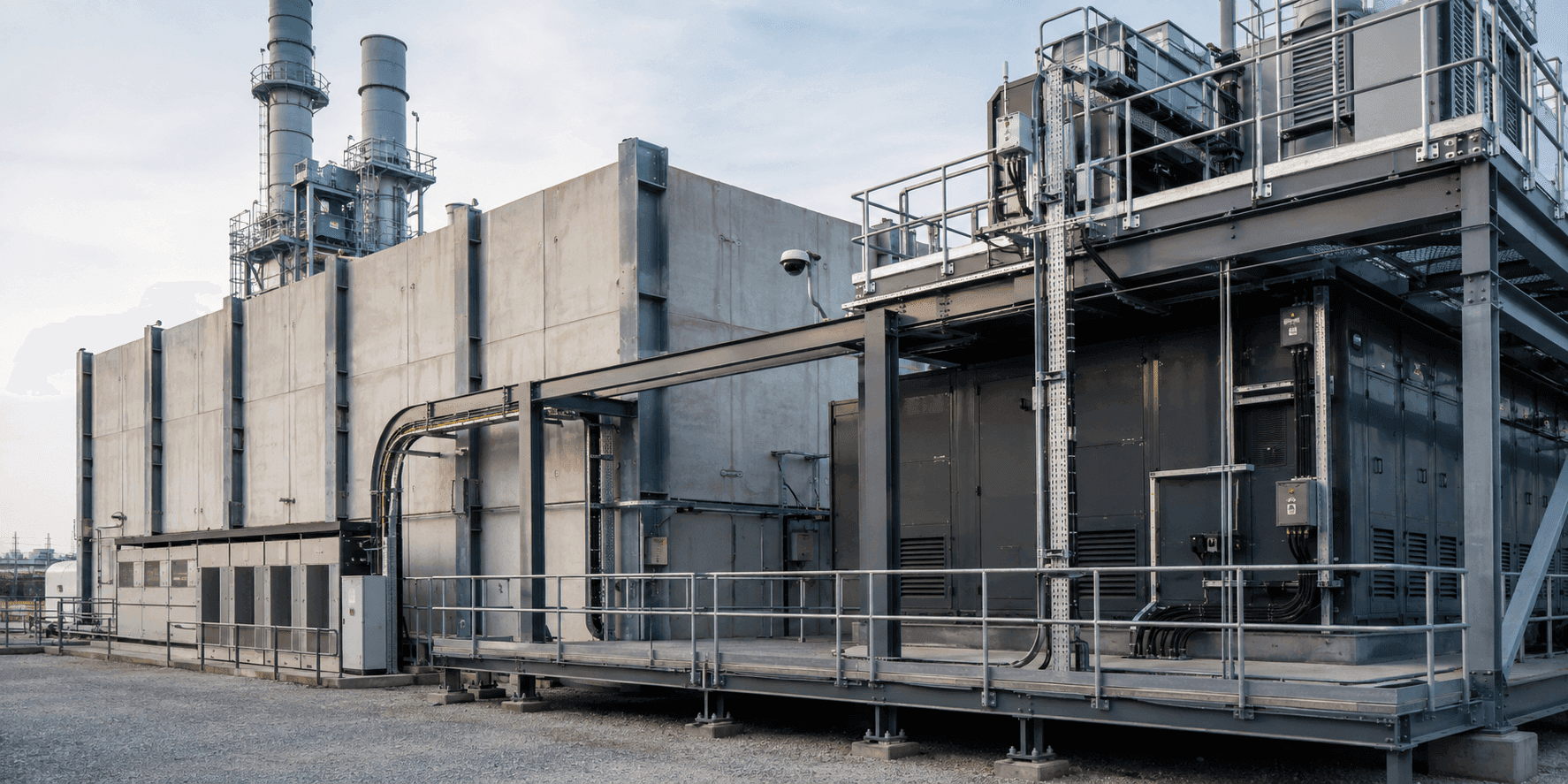
An integrated infrastructure systems company coordinates multiple engineered disciplines as one delivery requirement. It connects design intent, product configuration, interfaces, installation, evidence and lifecycle needs so individual components work together as a complete system.
What Does an Integrated Infrastructure Systems Company Do?
An integrated infrastructure systems company brings together the technical, physical and procedural parts required to achieve a defined project outcome. Its role is broader than supplying products from a catalogue. It considers how infrastructure systems interact with the asset, other trades, applicable requirements, installation conditions and operating environment.
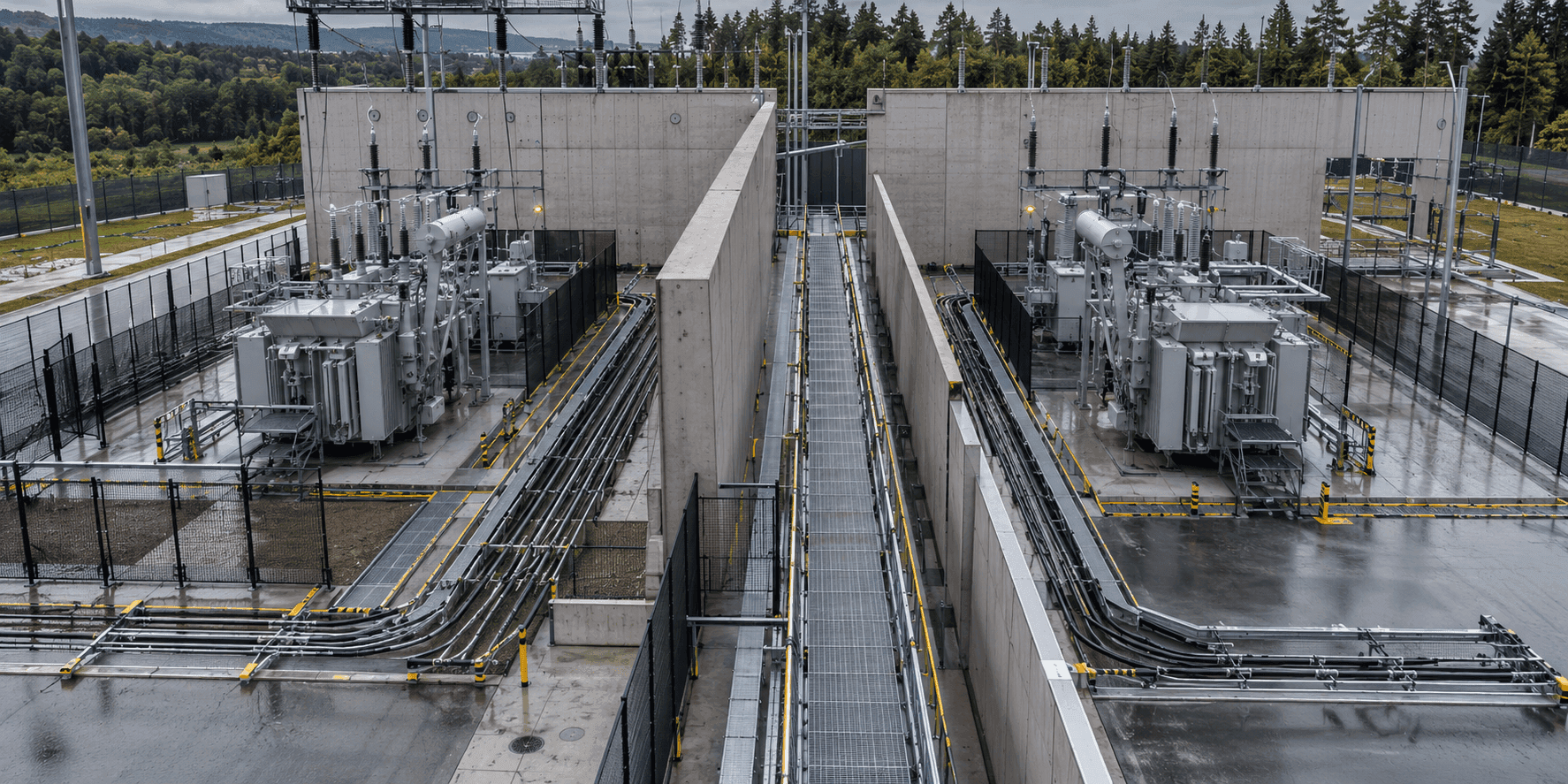
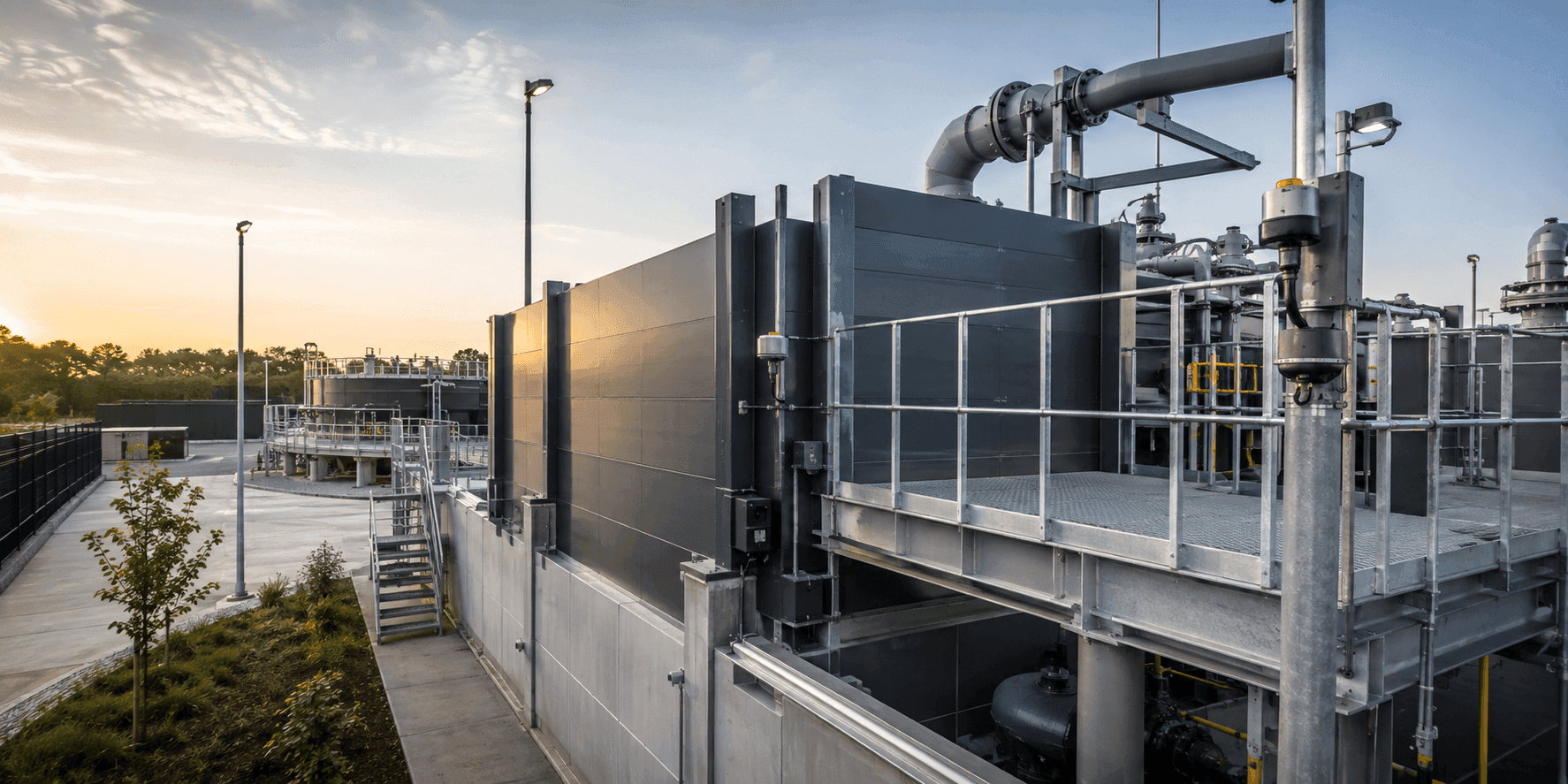
This approach is especially relevant to critical infrastructure systems, where a wall, enclosure, access platform, monitoring layer or protective system cannot be evaluated in isolation. Performance depends on the complete configuration, supporting structure, openings and penetrations, fixings, adjoining construction and installation quality.
Integration does not mean that one organisation performs every specialist task. It means that responsibilities, information and interfaces are coordinated so gaps can be managed before they affect performance, programme or handover.
- Translate project outcomes into system requirements: The team begins with the hazard, operational need, asset constraint or access requirement, then defines what the complete system must achieve.
- Coordinate disciplines and interfaces: Structural, architectural, mechanical, electrical, safety, controls and operational requirements are reviewed together where they affect the system boundary.
- Connect design with execution: Drawings, calculations, product configuration, fabrication, installation planning, inspection and handover information are aligned around the approved design intent.
- Maintain an evidence trail: Decisions, approved configurations, inspections, changes and acceptance records are organised so stakeholders can understand what was selected and delivered.
Why Interfaces Often Determine System Performance
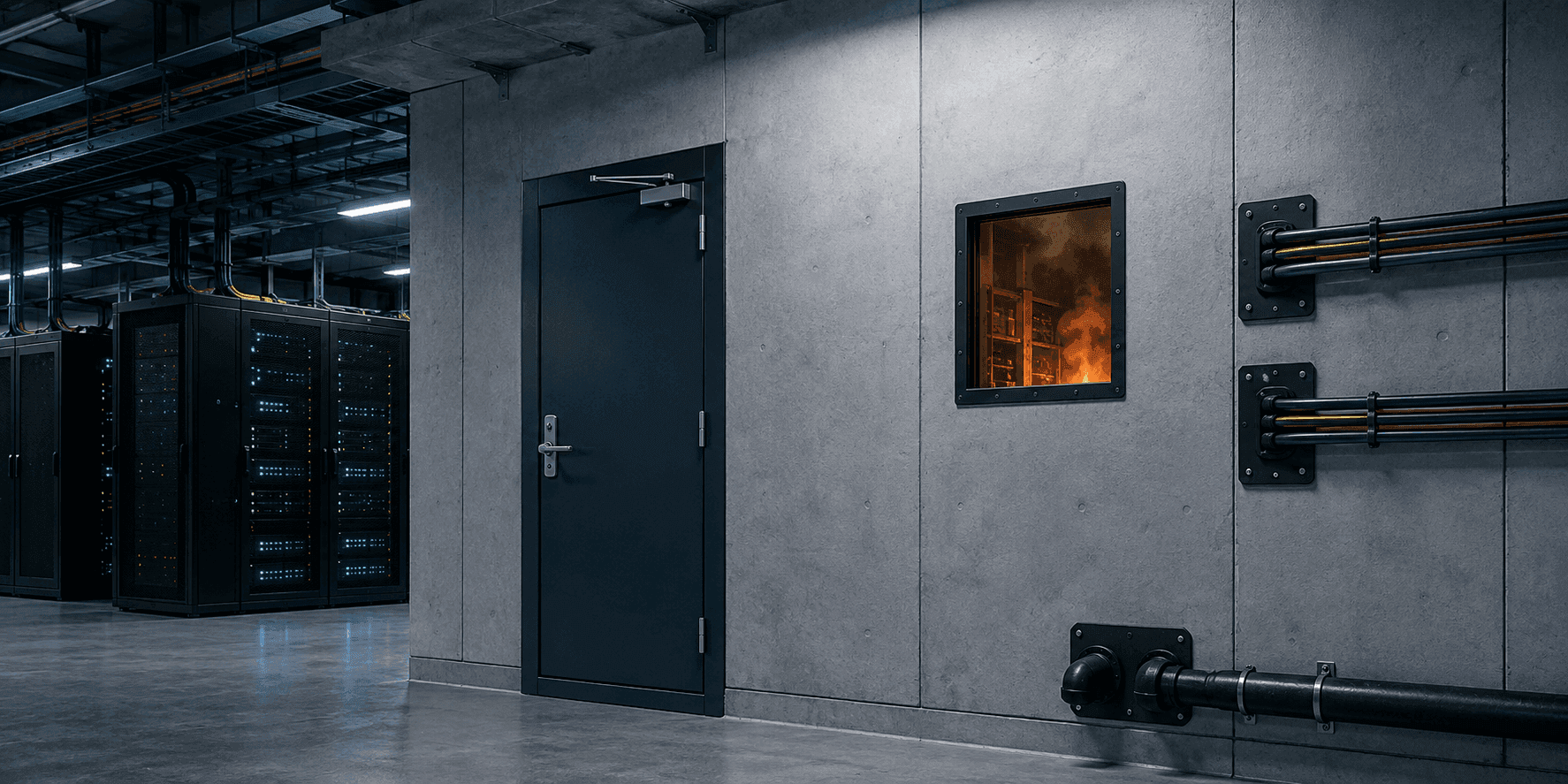
Infrastructure failures are not always caused by the principal product. They can arise where two scopes meet: a barrier and its supporting frame, a door and the surrounding wall, a platform and its connection, or a sensor and the workflow that must respond to its alert.
A suitable component can still be undermined by an uncoordinated opening, unsuitable substrate or unreviewed site change. Integrated delivery therefore treats interfaces as design inputs rather than matters to resolve only during installation. Projects will evolve, but changes should be identified early, assessed against the system requirements and recorded through controlled approval.
- Physical interfaces: Supports, joints, fixings, penetrations, doors, ducts, cable routes, drainage, clearances and adjoining construction.
- Performance interfaces: Situations where fire, blast, acoustic, structural, corrosion, access, environmental or monitoring requirements influence one another.
- Programme interfaces: Design approvals, manufacturing releases, access dates, predecessor works, testing windows and handover dependencies.
- Responsibility interfaces: Clear ownership for design inputs, technical review, supply, installation, inspection, change approval and final acceptance.
How Integrated Delivery Works Across the Infrastructure Lifecycle
Systems integration should begin before individual products are fixed in the specification and continue through handover. Early coordination gives project teams more opportunity to resolve conflicting requirements, plan verification and establish responsibilities.
- 1. Define the outcome: Establish what the asset and system must achieve, who depends on it and which conditions could prevent success.
- 2. Set the system boundary: Identify included elements, external dependencies, interfaces and the information required from other stakeholders.
- 3. Select and coordinate the configuration: Match the system arrangement to project conditions and check compatibility with the surrounding asset and other packages.
- 4. Plan verification: Define which documents, calculations, inspections, tests or approvals will demonstrate that agreed requirements have been addressed.
- 5. Control delivery and change: Keep design, fabrication and site teams aligned through revisions, technical queries, hold points and reviewed deviations.
- 6. Support handover and operation: Provide an accurate record of the installed system, inspection needs, limitations and information required before later modifications.
How to Evaluate an Integrated Infrastructure Systems Company
A broad capability statement is not enough. Buyers should test whether a potential partner can define its scope, support technical decisions and provide evidence that applies to the proposed configuration. The assessment should be proportionate to the safety, operational and commercial risk of the package.
- Can the company explain the complete system boundary?: Ask what is included, what remains outside its scope, which interfaces require information from others and where design responsibility sits.
- Is its evidence relevant to the proposed configuration?: Confirm that reports, classifications, approvals and product data apply to the arrangement being considered, including stated limitations.
- How are design changes controlled?: Review how substitutions, site constraints, revised openings, changed supports and other deviations are assessed, approved and recorded.
- Can it connect engineering with installation?: Look for a defined route from design and documentation to site planning, inspection, completion records and technical close-out.
- Does it support the asset beyond handover?: Clarify what information will be provided for inspection, maintenance, future alterations and configuration-specific limitations.
Invicta ANARA's Integrated Infrastructure Approach
Invicta ANARA is structured as a multi-division, solution-led infrastructure company. Its Safe, Sustainable, Smart platform connects critical containment and protection through SECURA, access and structural systems through STRUCTURA, and smart infrastructure and emerging technologies through INTEGRA.
This structure does not mean every project requires a multi-division package. The approach begins with the required outcome and coordinates the relevant infrastructure engineering, supply, installation and documentation capabilities around the agreed scope. This can include in-house design and engineering, drawings, structural calculations, fabrication, installation planning and system documentation support where applicable.
Technical recommendations remain subject to the selected configuration, supporting evidence and project requirements. Buyers should confirm the precise scope, interfaces and review responsibilities for their project.
Explore Invicta ANARA systems. Review the solution areas available across the Invicta ANARA platform.
SECURA by Invicta ANARA. Critical containment and protection systems for demanding fire, blast, ballistic, security and related risk scenarios.
Fire protection systems. Explore fire protection solutions planned around the applicable hazard, system interfaces, installation conditions and configuration-specific evidence.
Blast protection systems. Explore blast protection solutions developed around the defined threat, supporting structure, interfaces and project requirements.
Protective enclosure systems. Explore enclosure protection for critical equipment and assets where containment, access and adjoining interfaces must be coordinated.
STRUCTURA by Invicta ANARA. Engineered access and structural systems planned around safe use, durability, installation and maintainability.
INTEGRA by Invicta ANARA. Smart infrastructure and emerging technology capabilities that connect physical assets with information, monitoring and operational insight.
Frequently Asked Questions
Direct answers to common questions about integrated infrastructure systems companies.
What is an integrated infrastructure systems company?
It is a company that coordinates the engineering, configuration, interfaces, supply, installation, evidence and lifecycle needs of one or more infrastructure systems. Its focus is the performance of the complete solution rather than the sale of an isolated product.
Is a systems integrator the same as a general contractor?
Not necessarily. A general contractor may manage the wider construction programme, while a systems company usually has a defined technical scope. The exact responsibilities depend on the contract and must be stated clearly.
When is an integrated approach most valuable?
It is particularly valuable when the package is safety-critical, technically complex, dependent on several trades or sensitive to operational disruption. Simpler scopes may need less extensive integration.
Share the project outcome, operating context, key interfaces and evidence requirements so the relevant Invicta ANARA capabilities can be reviewed. Discuss an Infrastructure Requirement.