How Safety, Sustainability and Intelligence Work Together in Infrastructure
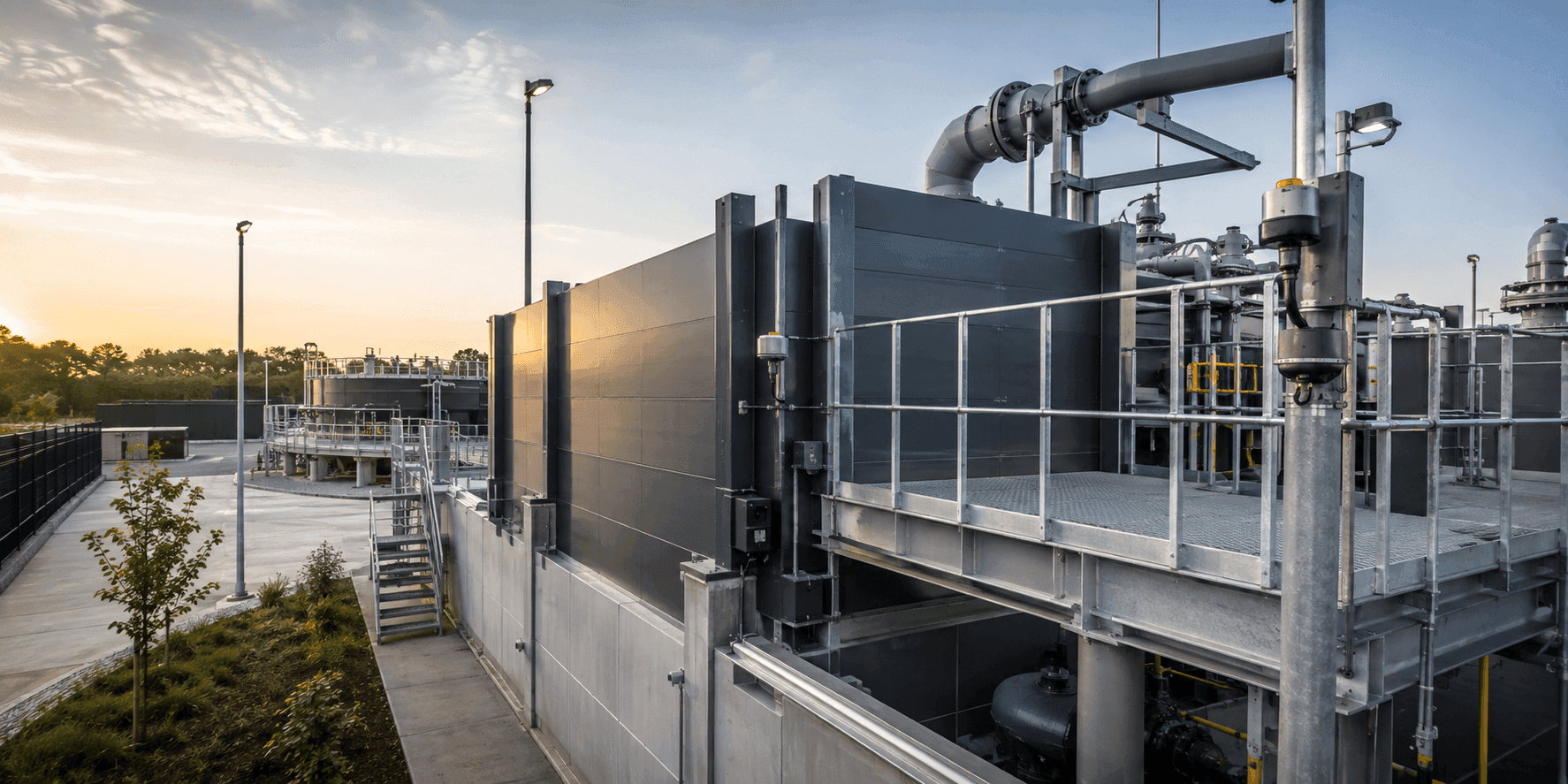
Safe, sustainable and smart infrastructure aligns risk control, lifecycle resource use and operational information. These goals work together when trade-offs are evaluated against the asset's purpose, environment and long-term operating needs.
What Does Safe, Sustainable and Smart Infrastructure Mean?
Safe, sustainable and smart infrastructure is planned to manage credible risks, use resources responsibly over its lifecycle and turn reliable information into better operational decisions. The three goals should be treated as connected design inputs rather than separate labels.
Safety establishes the hazards, protective measures, access needs and response arrangements required for people, assets and operations. Sustainability considers material use, durability, maintenance, replacement, disruption and end-of-life implications. Intelligence adds sensing, data, monitoring, analysis or automation where these capabilities support a defined decision.
A smart feature is not valuable simply because it is connected. A durable material is not automatically sustainable in every context. A protective measure can introduce access or maintenance constraints. Sound infrastructure planning examines these interactions and records why a particular balance is appropriate.
- Safety by defined risk: Protective measures should respond to credible hazards, operating conditions and consequence.
- Sustainability by lifecycle: Decisions consider durability, inspection, maintenance, replacement, resource use and operational disruption.
- Intelligence by useful decisions: Monitoring and automation should improve a defined workflow rather than only generate more data.
- Integration by interfaces: Physical systems, users, data and maintenance requirements are coordinated across the asset.
- Evidence by outcome: Claims and trade-offs are supported by project-relevant information and reviewed assumptions.
Three Connected Infrastructure Priorities
- Safety: Manages hazards, safe access, containment, protection and response. Weak safety planning can expose people, assets and operations.
- Sustainability: Considers lifecycle resources, durability, maintenance and replacement. Short-term choices can transfer cost, waste or disruption into operation.
- Intelligence: Uses reliable information to support monitoring, decisions and action. Disconnected technology can create alarms or data without operational value.
- Integration: Balances the three priorities against the asset purpose. Separate decisions can create conflicts and unmanaged interfaces.
How the Three Priorities Reinforce One Another
The strongest outcomes arise when each priority helps the others rather than being added late as a separate workstream.
- Durability supports safety: Materials and configurations that remain serviceable reduce the risk of hidden degradation between inspections.
- Monitoring supports maintenance: Useful condition information can help teams prioritise inspection and intervention.
- Safe access supports lifecycle care: Maintainable routes and platforms make routine inspection and repair more practical.
- Efficient interventions reduce disruption: Better information and modular planning can help target work without unnecessary replacement.
- Recorded decisions support future change: Clear handover information helps later teams assess modifications against original assumptions.
Common Trade-Offs That Require Evidence
Infrastructure decisions rarely maximise every objective at once. Trade-offs should be made explicitly, using project-specific evidence and clear ownership.
- Material versus maintenance: A lower initial material input may require more frequent repair or replacement.
- Automation versus oversight: Automated recommendations still need defined human responsibility and safe fallback arrangements.
- Protection versus access: Containment and security measures must be coordinated with inspection, escape and equipment replacement needs.
- Data volume versus usefulness: More sensors do not guarantee better decisions if data quality, thresholds and workflows are weak.
- Standardisation versus context: Repeatable solutions improve consistency, but site hazards and interfaces can require configuration changes.
Outcomes of an Integrated Approach
Integration helps project and asset teams make decisions that remain useful beyond practical completion.
- More resilient assets: Protection, maintainability and operational insight are considered together.
- Clearer lifecycle choices: Decision-makers can compare immediate requirements with longer-term consequences.
- More useful information: Data is connected to responsible teams and defined actions.
- Better change control: Future modifications can be reviewed against recorded system assumptions.
Questions to Ask During Design and Procurement
The following questions help test whether safety, sustainability and intelligence have been integrated rather than described separately.
- Which risks and outcomes are being addressed?: Define the hazards, operational goals and users before selecting solutions.
- What is the lifecycle basis?: Review environment, inspection, maintenance, replacement and disruption assumptions.
- Which decisions will data support?: Identify the user, trigger, action, escalation and record required from monitoring.
- Where do priorities conflict?: Document trade-offs involving access, material, energy, protection and automation.
- How will performance be reviewed?: Set suitable inspection, monitoring and change-control responsibilities.
How Invicta ANARA Supports Systems-Level Infrastructure Delivery
Invicta ANARA's Safe, Sustainable, Smart platform brings these priorities into one infrastructure narrative. SECURA addresses relevant protection and containment needs, STRUCTURA supports engineered access and structural requirements, and INTEGRA connects physical assets with information and emerging technologies. The applicable combination depends on project scope and evidence.
Explore Invicta ANARA systems. Review the wider systems platform and the capabilities relevant to the project requirement.
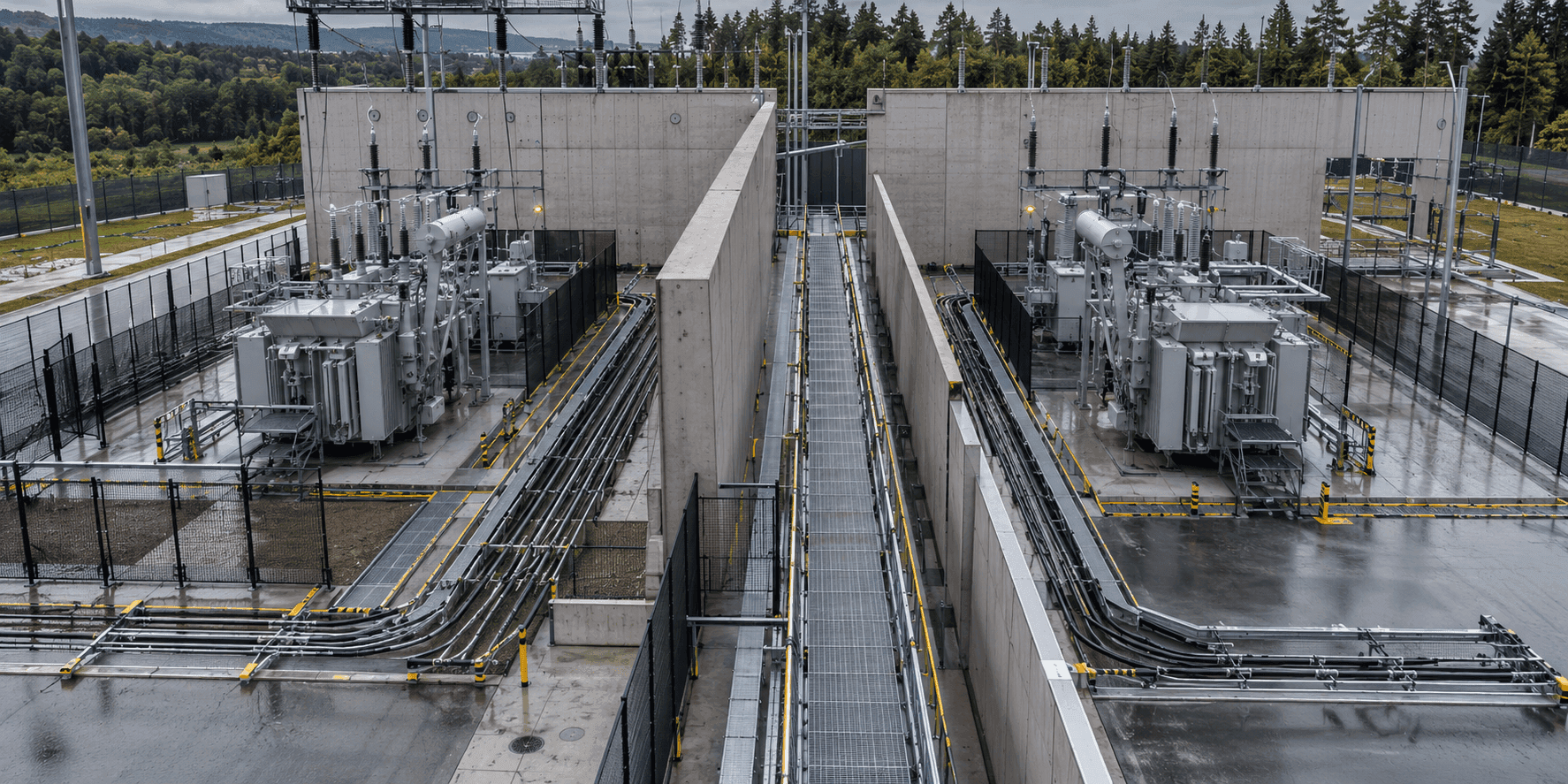
SECURA by Invicta ANARA. Critical containment and protection systems for relevant fire, blast, ballistic, security and related risk scenarios.
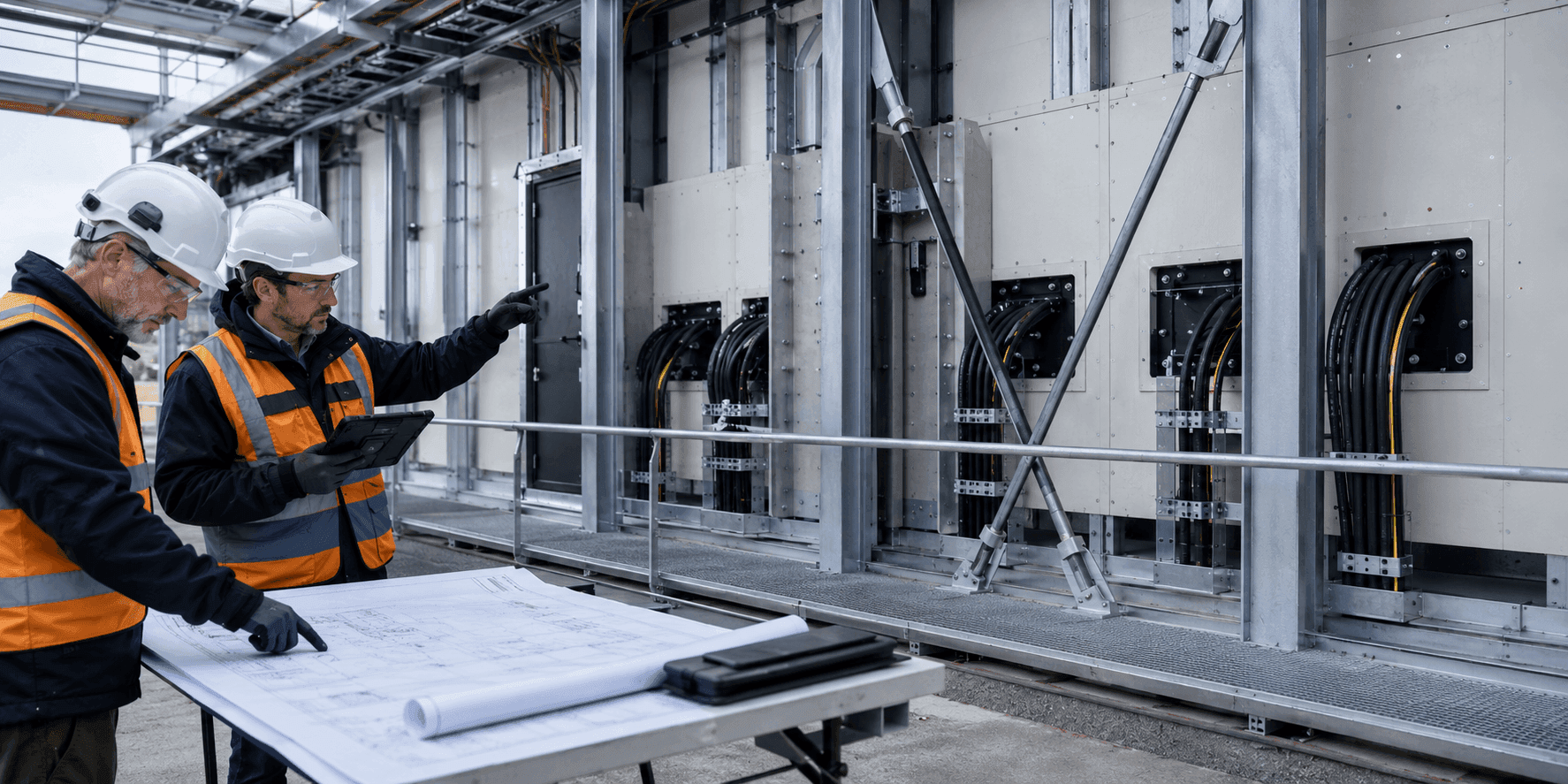
STRUCTURA by Invicta ANARA. Engineered structural and access systems planned around safe use, durability, installation and maintainability.
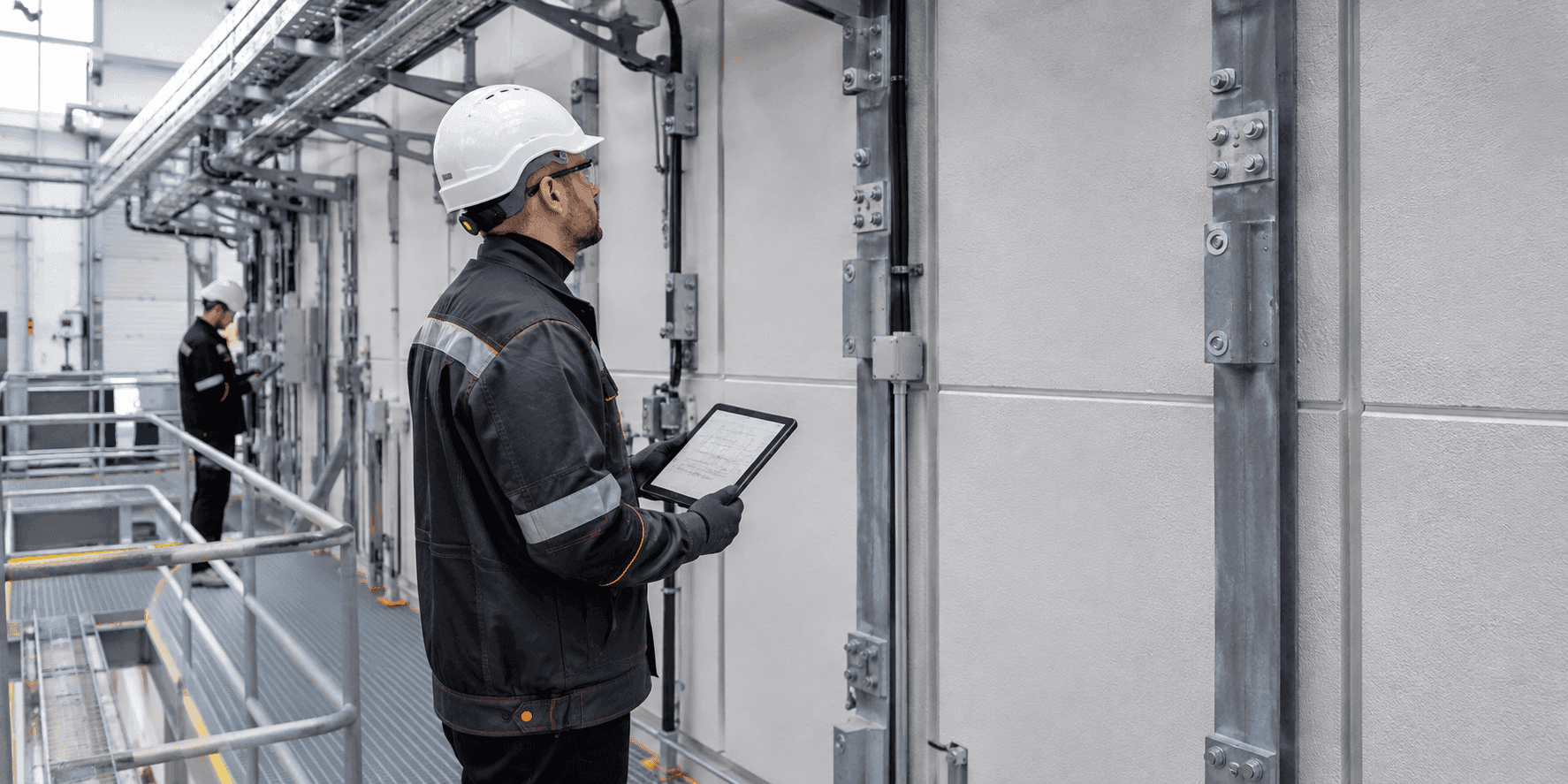
INTEGRA by Invicta ANARA. Smart infrastructure and emerging technology capabilities connecting assets, information, monitoring and operational insight.
Frequently Asked Questions
Direct answers to common questions about safe sustainable smart infrastructure.
What makes infrastructure safe, sustainable and smart?
It manages credible risk, considers lifecycle resource and maintenance implications, and uses reliable information to improve defined decisions.
Is smart infrastructure automatically sustainable?
No. Technology has its own material, energy, maintenance and replacement needs, which should be assessed against the value it provides.
Can monitoring replace inspection?
Usually not. Monitoring can guide attention, but inspection and engineering review remain necessary where the asset and risk require them.
How does safe access support sustainability?
Practical access can make inspection, maintenance and targeted repair easier, helping teams care for assets rather than replacing them prematurely.
Why are trade-offs important?
Because improving one objective can affect another. Explicit trade-offs help teams make balanced, reviewable decisions.
Share the asset priorities, operating context and lifecycle requirements so the relevant Invicta ANARA capabilities can be considered. Discuss an Infrastructure Requirement.