

Defence
Engineered protection, access and intelligent systems for defence and security-critical assets across AMEA.
Find Your Application
Explore defence and security-critical environments where protection, secure access and infrastructure systems need to be coordinated around mission and operational requirements.
Command centres · Operations facilities · Control rooms
Command Facilities
Power · Communications · Strategic infrastructure
Critical National Infrastructure
Ballistic · Blast-resistant · High-security facilities
Secure & Hardened Assets
Protection for Critical Defence Assets
Blast protection · Fire compartmentation · Blast barriers & containment · Fire-rated enclosures · Equipment protection
Fire & Blast Protection
Ballistic protection systems · Protective barriers · Security-rated enclosures · Perimeter & asset protection
Ballistic & Physical Protection
GRP platforms & walkways · Gratings & access systems · Marine & access infrastructure · Corrosion-resistant systems
Structural & Access Protection
Digital infrastructure technologies · Immersive training · Operational training solutions · Emerging infrastructure technologies
Smart & Operational Systems


Why Defence & Security-Critical Infrastructure Needs Coordinated Protection
Defence environments can combine mission-critical operations, security-sensitive assets, essential services and controlled access within the same facility. Protection therefore needs to be considered around the complete operating environment, including fire and blast risks, physical protection, structural access and the interfaces that support secure day-to-day operation.
Mission and operational continuity
Fire, blast and physical protection
Secure access and controlled interfaces
Structural and exposed infrastructure
Operational systems and training
A Project-Specific Engineering Approach for Defence Assets
Invicta ANARA approaches defence infrastructure as a coordinated project requirement rather than a collection of isolated products. The selected solution should reflect the facility purpose, required protection functions, interfaces, access requirements and supporting technical evidence.
Key considerations for coordinated engineering
Project risk and mission purpose
Define the asset, operational function and protection purpose before selecting the required combination of systems.
Required protection functions
Identify the relevant fire, blast, ballistic, physical, structural, access or operational requirements without assuming that every defence application needs the same solution.
Critical interfaces
Coordinate protected boundaries with adjacent structures, equipment, services, openings, access points and other interfaces that affect the complete installation.
Access and maintenance
Plan secure personnel access, equipment access, inspection and maintenance requirements as part of the system configuration.
New-build and retrofit constraints
Consider existing structures, available space, installation access, operational constraints and interface conditions when integrating systems into new or existing facilities.
Evidence-led selection
Review technical evidence that is applicable to the proposed system, configuration and project requirement before final specification.
Protection Priorities Across Defence Applications
Different defence environments place different demands on protection, access and infrastructure systems. The application should guide which capabilities are coordinated within the project scope.
Command Facilities
Critical National Infrastructure
Secure & Hardened Assets
Reference Projects
The client has currently supplied project placeholders for this sector. These remain placeholders until approved project names and supporting details are provided.
[PROJECT NAME]
[PROJECT NAME]
[PROJECT NAME]
Sectors We Serve
Invicta ANARA supports infrastructure programmes across sectors where safety, resilience, access, reliability and long-term operational performance shape system selection.

Energy & Utilities

Energy & Utilities
- Power & Grid Infrastructure
- Energy & Process Facilities
- Onshore & Offshore Assets
- Renewables & Energy Transition

Industrial
Industrial
- Chemical & Process Plants
- Manufacturing & Heavy Industry
- Hazardous Material Storage Facilities
- Automotive & Industrial Campuses

Transportation
Transportation
- Airports & Aviation Facilities
- Metro, Rail & Mass Transit Systems
- Roads, Highways & Vehicular Tunnels
- Ports, Shipyards & Marine Transport Infrastructure
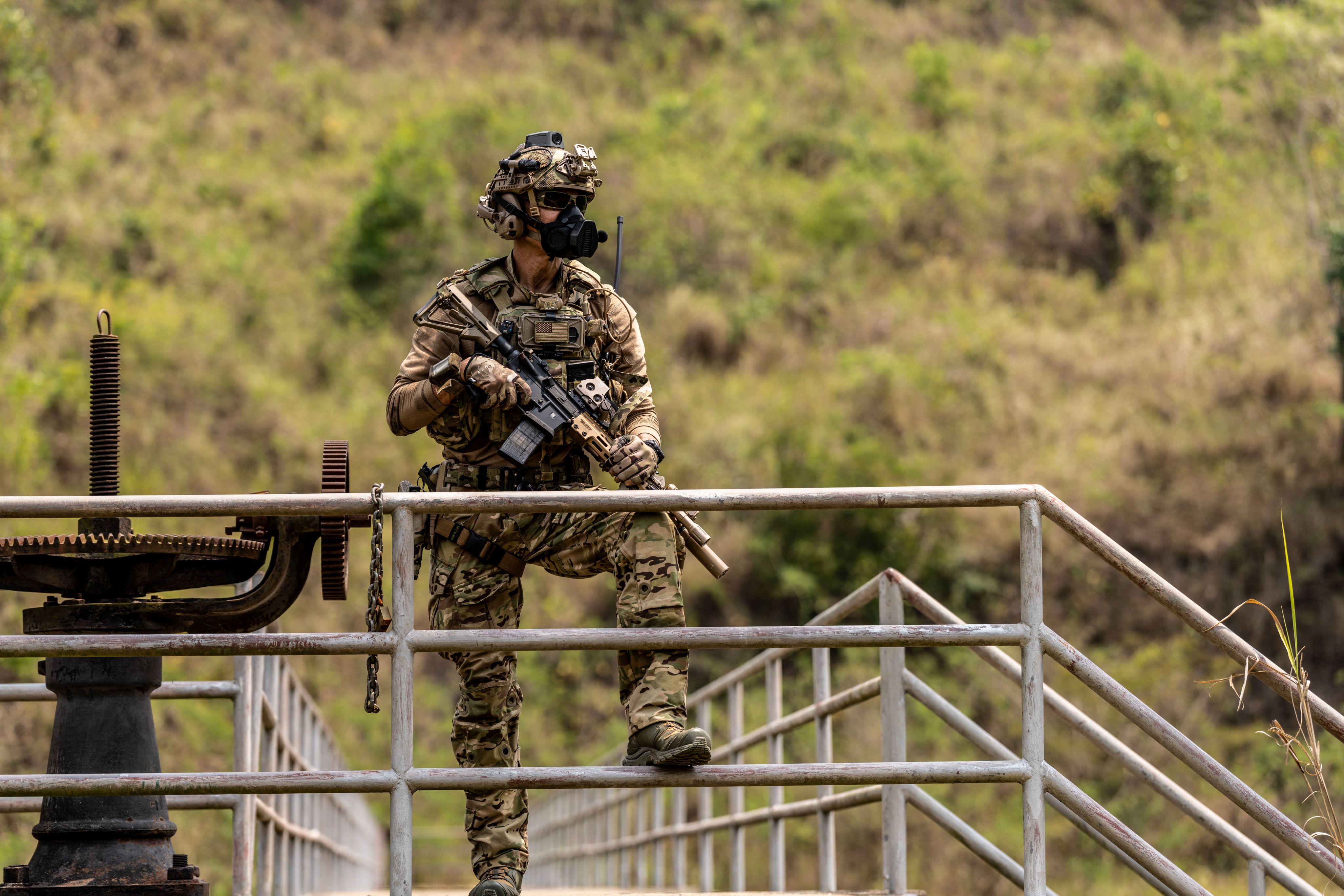
Defence
Defence
- Defence & Command Facilities
- Critical National Infrastructure (CNI)
- Secure & Hardened Assets
- Border, Coastal & Strategic Installations

Infrastructure
Infrastructure
- Data Centres & Digital Infrastructure
- Public Venues & Stadia
- Cultural & Institutional Buildings
- Government & Diplomatic Facilities
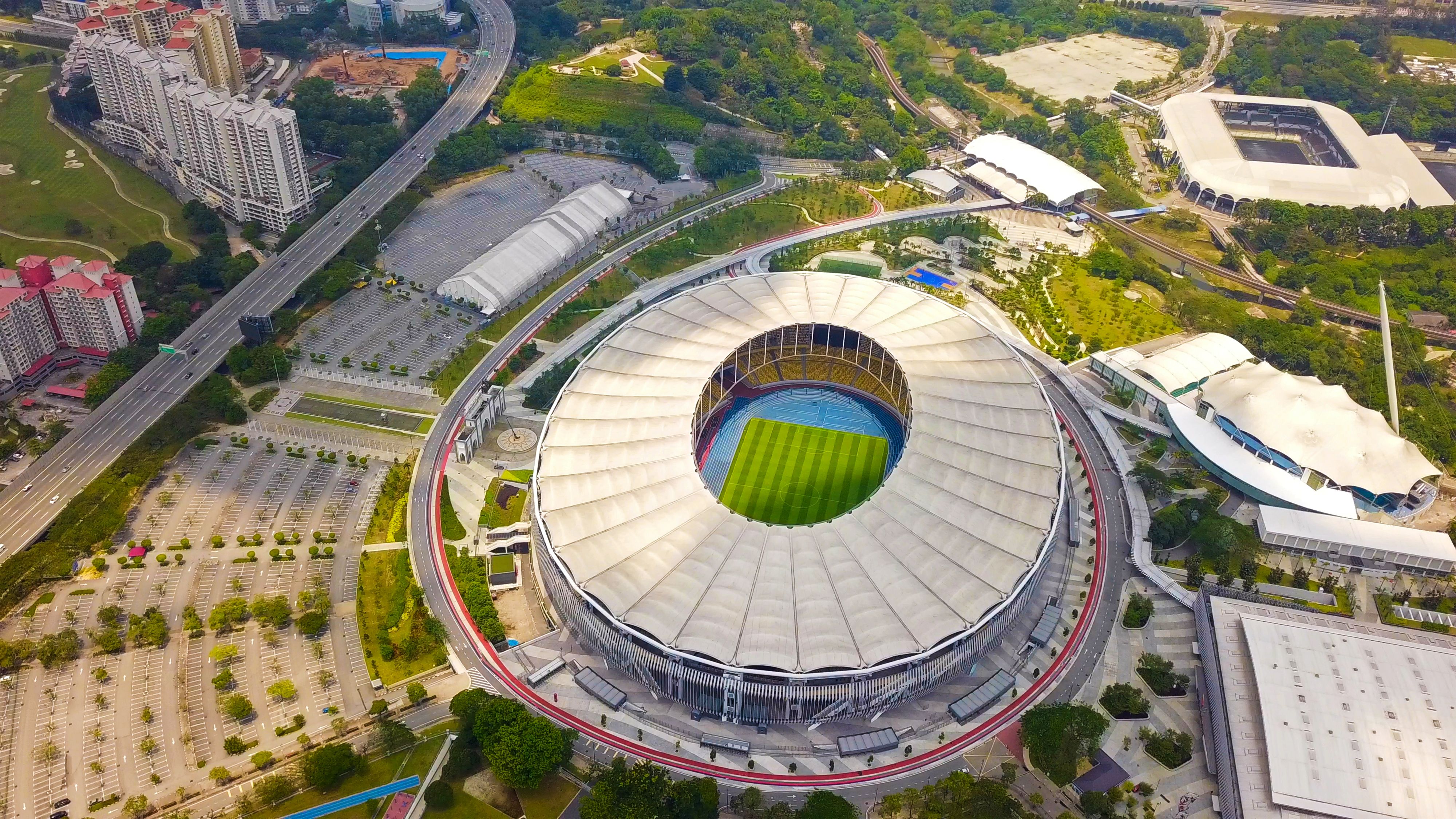
Commercial/Mixed-Use
Commercial/Mixed-Use
- Hospitality & Leisure
- Financial & Commercial Buildings
- Mixed-Use Landmark Developments
Certification & Technical Evidence
Technical evidence for Defence projects should be reviewed against the specific protection system, selected configuration and project requirements. The standards shown below are part of the established fire-protection evidence pattern used across relevant Invicta ANARA technical pages; applicability is not assumed for every Defence application or for protection requirements outside their relevant scope.



Latest Insights
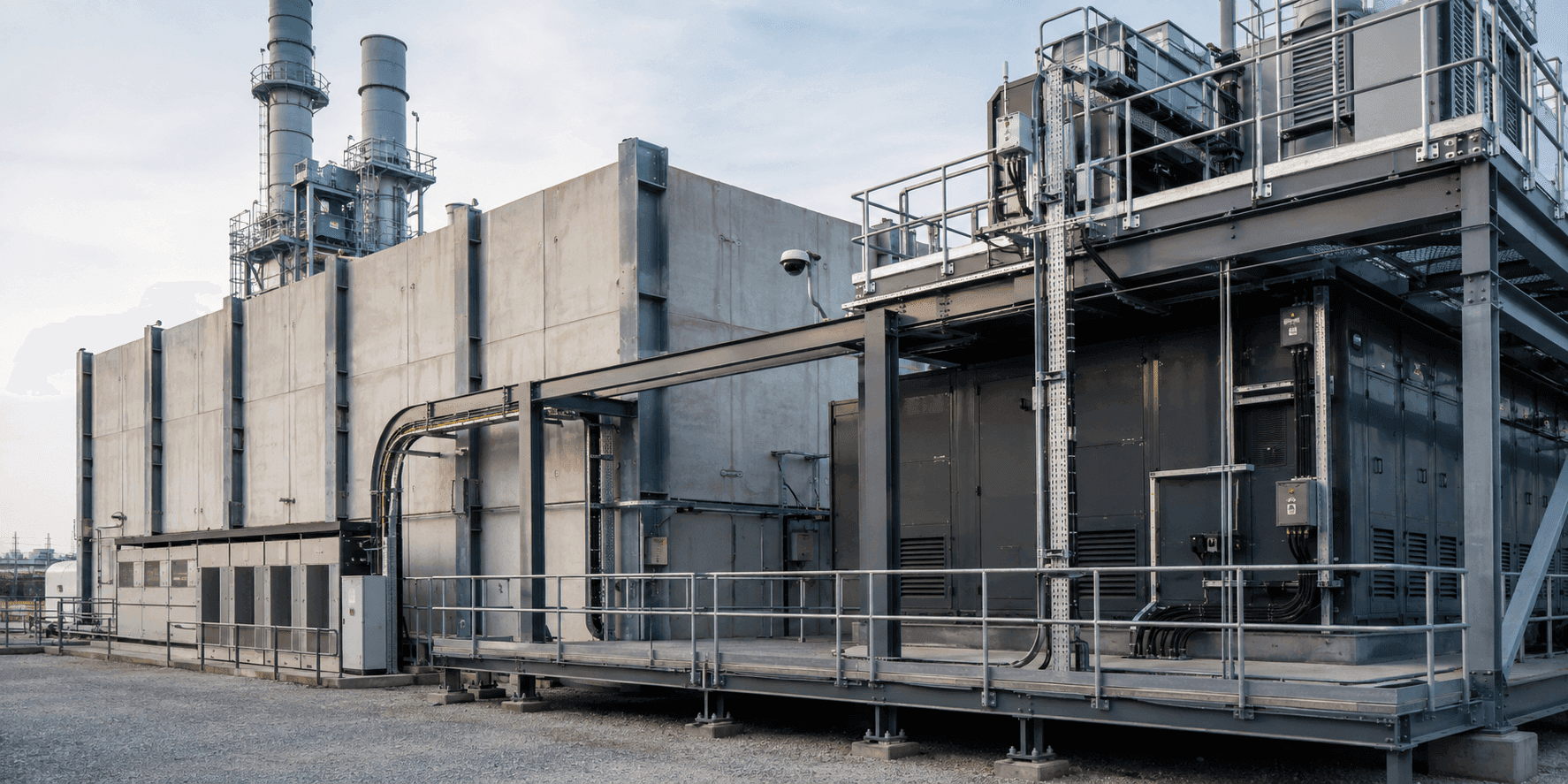

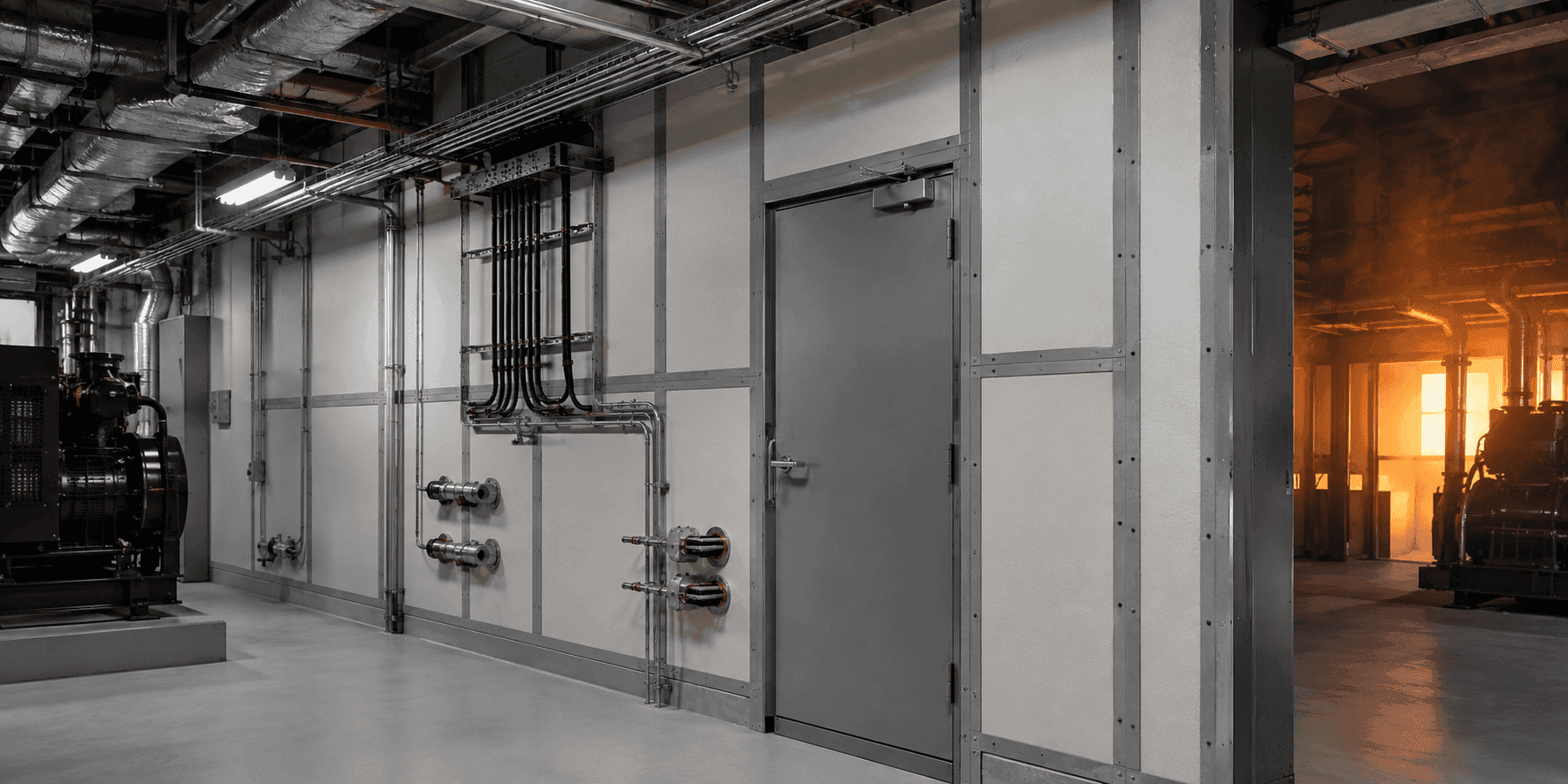

Frequently Asked Questions About Defence Infrastructure Solutions
Answers to common questions about protection, access, engineering coordination and technical evidence for defence and security-critical infrastructure.
The client-defined Defence scope includes command facilities, critical national infrastructure, and secure and hardened assets, covering environments such as command centres, operations facilities, power and communications infrastructure, and high-security facilities.
The sector scope includes fire and blast protection, ballistic and physical protection, structural and access protection, and smart and operational systems. The appropriate combination depends on the facility and project requirements.
The project should be considered as a complete operating environment. Protection boundaries, structural interfaces, secure access, equipment, services and maintenance requirements should be reviewed together before the final system configuration is selected.
Yes, where the selected systems are suitable for the project. Existing structures, available space, installation access, operating constraints and maintenance requirements should be reviewed when planning new-build or retrofit work.
Evidence should be relevant to the specific protection system, configuration and project requirement. Fire-resistance standards shown on this page apply only where relevant, while other protection requirements should be supported by the appropriate project-specific evidence.