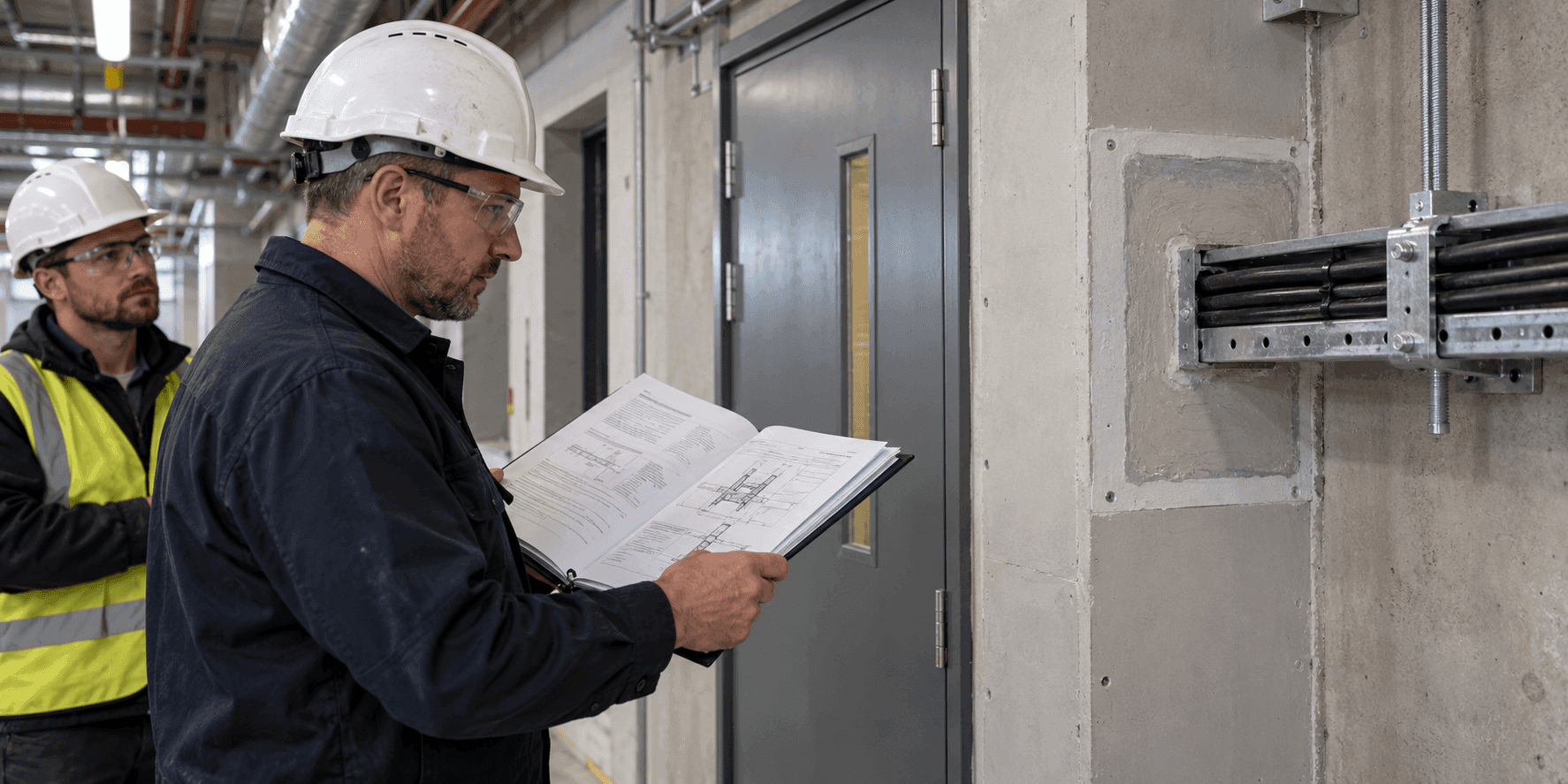
What Tunnel Operators Should Know About Fire-Rated Service Enclosures
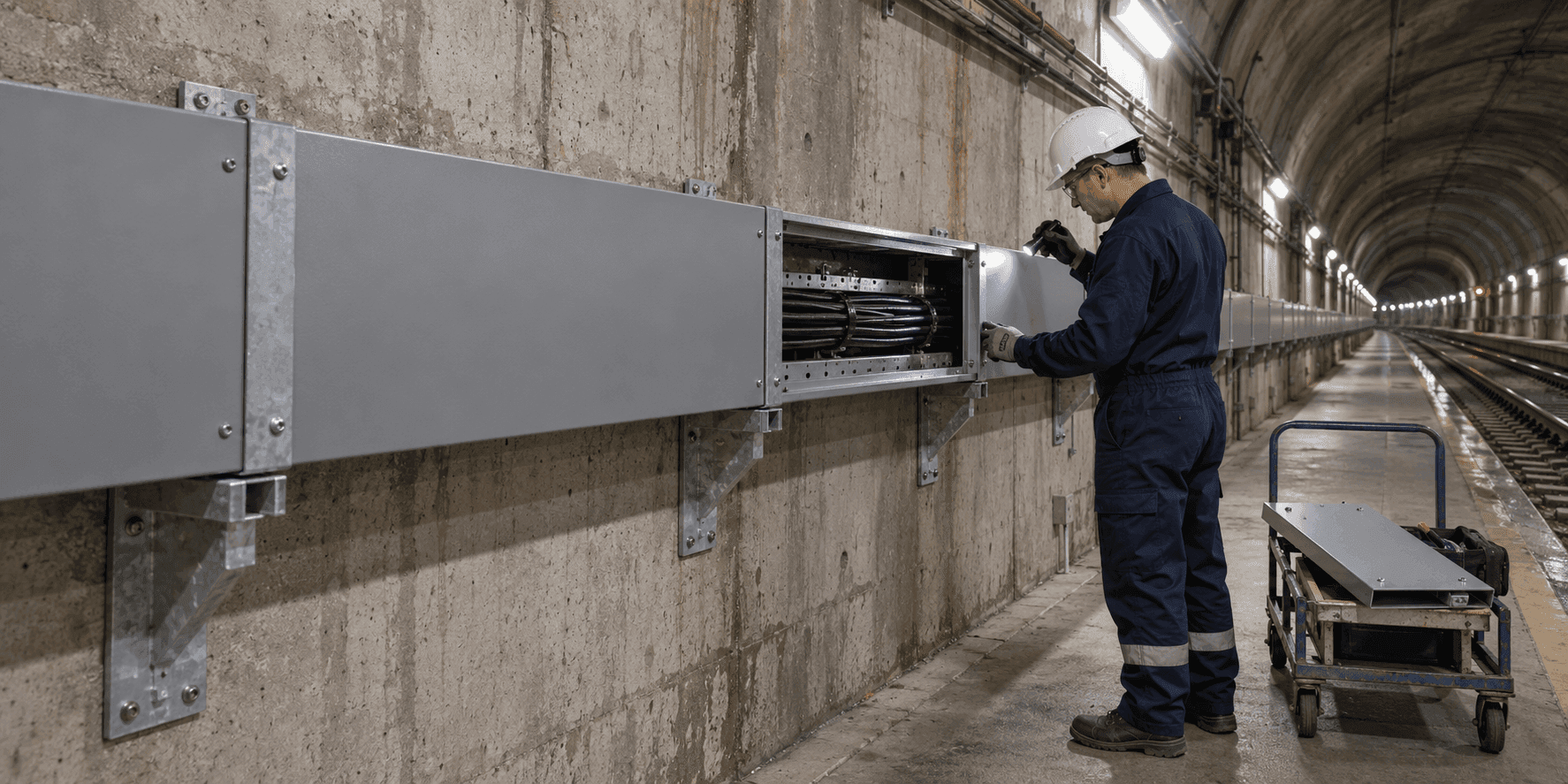
What Tunnel Operators Should Know About Fire-Rated Service Enclosures
During a maintenance possession, a contractor removes an enclosure cover to replace a cable. The circuit passes its electrical checks, the cover is refitted and the tunnel returns to service.
But were the correct fixings reinstated? Was the joint seal damaged? Does the additional cable remain within the approved arrangement?
Fire-rated service enclosures can protect important tunnel systems, but routine interventions can alter their performance. Operators need to understand both the enclosure’s purpose and the details that must remain controlled throughout its service life.
Identify What the Enclosure Protects
Service enclosures may surround cables, electrical equipment or other installations. Their purpose should be recorded in the asset information.
Some arrangements protect services from an external fire. Others provide separation from a potential fire within the enclosure. These duties are different, and evidence for one exposure direction should not automatically be accepted for the other.
Where continued operation is required, identify the essential function and duration. Emergency lighting, communications and ventilation controls may have different operating requirements.
The enclosure should be linked to that defined duty within the wider tunnel fire protection system.
Understand What the Rating Demonstrates
A fire rating describes performance under specified test conditions and acceptance criteria. It does not establish that every service placed inside the enclosure will survive or remain operational.
For equipment, internal temperatures may be critical. For cables, the required evidence may concern circuit integrity under defined conditions.
A fire-rated enclosure for electrical equipment therefore needs consideration of the installed equipment, connections and operating limits. Normal-service heat dissipation also requires review; adding unassessed ventilation openings can compromise the fire-protection arrangement.
Operators should retain the applicable reports, approved drawings and installation instructions rather than relying on a rating label alone.
Inspect the Complete Route
An enclosure’s performance depends on continuity along its length and at its connections.
Include corners, branches, end closures, access panels, penetrations, supports and joints in inspections. Check where the enclosure connects to walls, cabinets or equipment, particularly where responsibility changes between contractors.
A protected cable run may still terminate in an exposed junction box or depend on an unprotected supply.
For a fire-rated cable protection system, record the boundaries of the protected route and the dependencies needed for its intended function. This helps maintenance teams recognise when apparently local work affects a larger