



Why Process & Electrical Equipment Protection Enclosures Matter
Process and electrical equipment operate in high-risk industrial environments where fire, blast pressure, extreme heat, and chemical exposure can escalate quickly. Without proper containment, critical systems in refineries, substations and processing plants can fail, causing major downtime and safety hazards. Engineered protection enclosures are essential to ensure asset safety, operational continuity and compliance. Without dedicated, engineered protection enclosures:
- Fire can spread rapidly, damaging critical equipment and triggering costly shutdowns across the facility.
- Blast impact may deform structures, exposing electrical systems and compromising operational stability and control.
- Heat, smoke, and toxic gases restrict access, delaying emergency response and safe evacuation efforts.
What Is a Process & Electrical Equipment Protection Enclosure?
A SECURA equipment protection enclosure is a strong barrier made of composite materials that keeps important processes and electrical systems safe from harsh conditions.
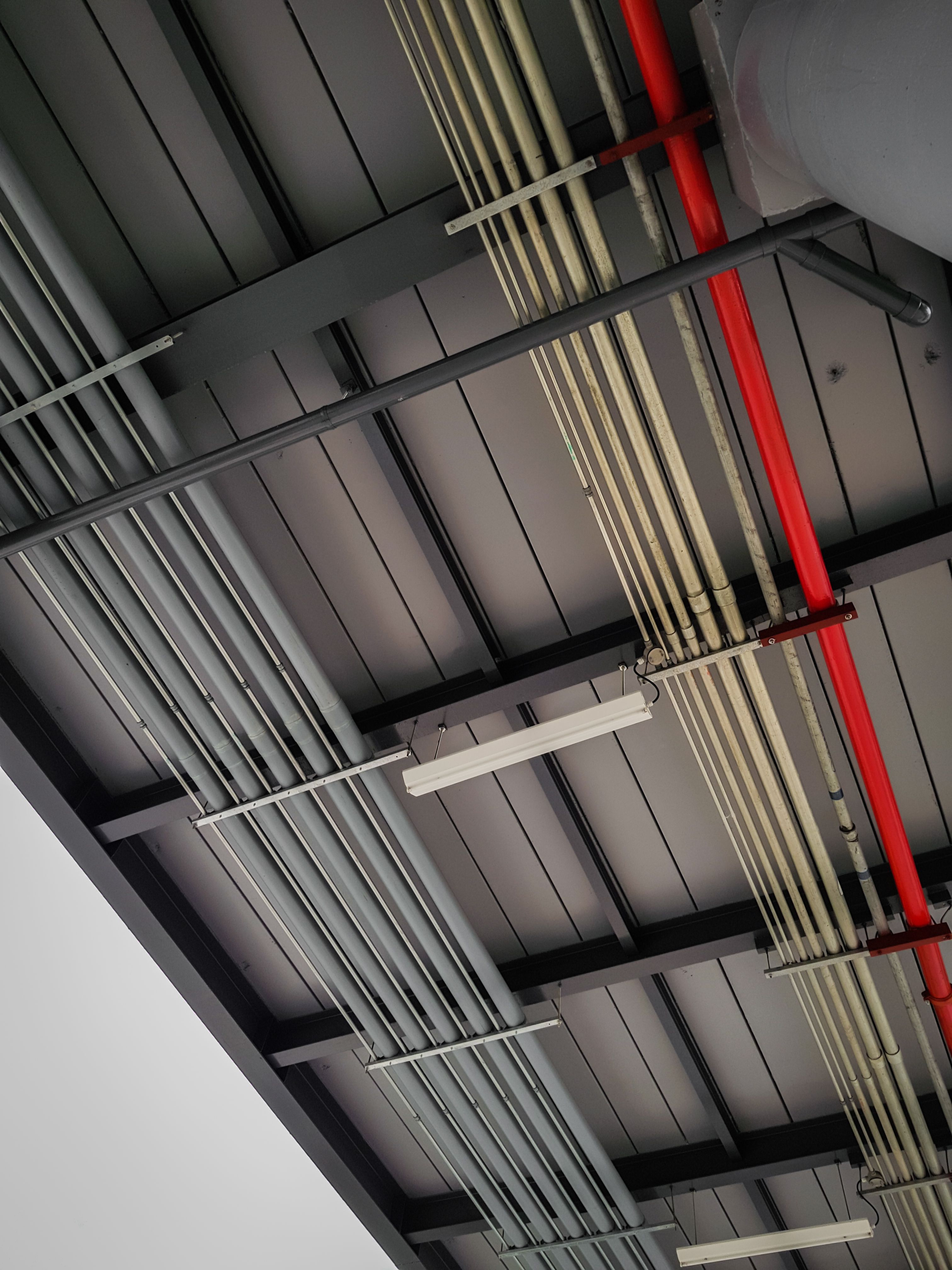
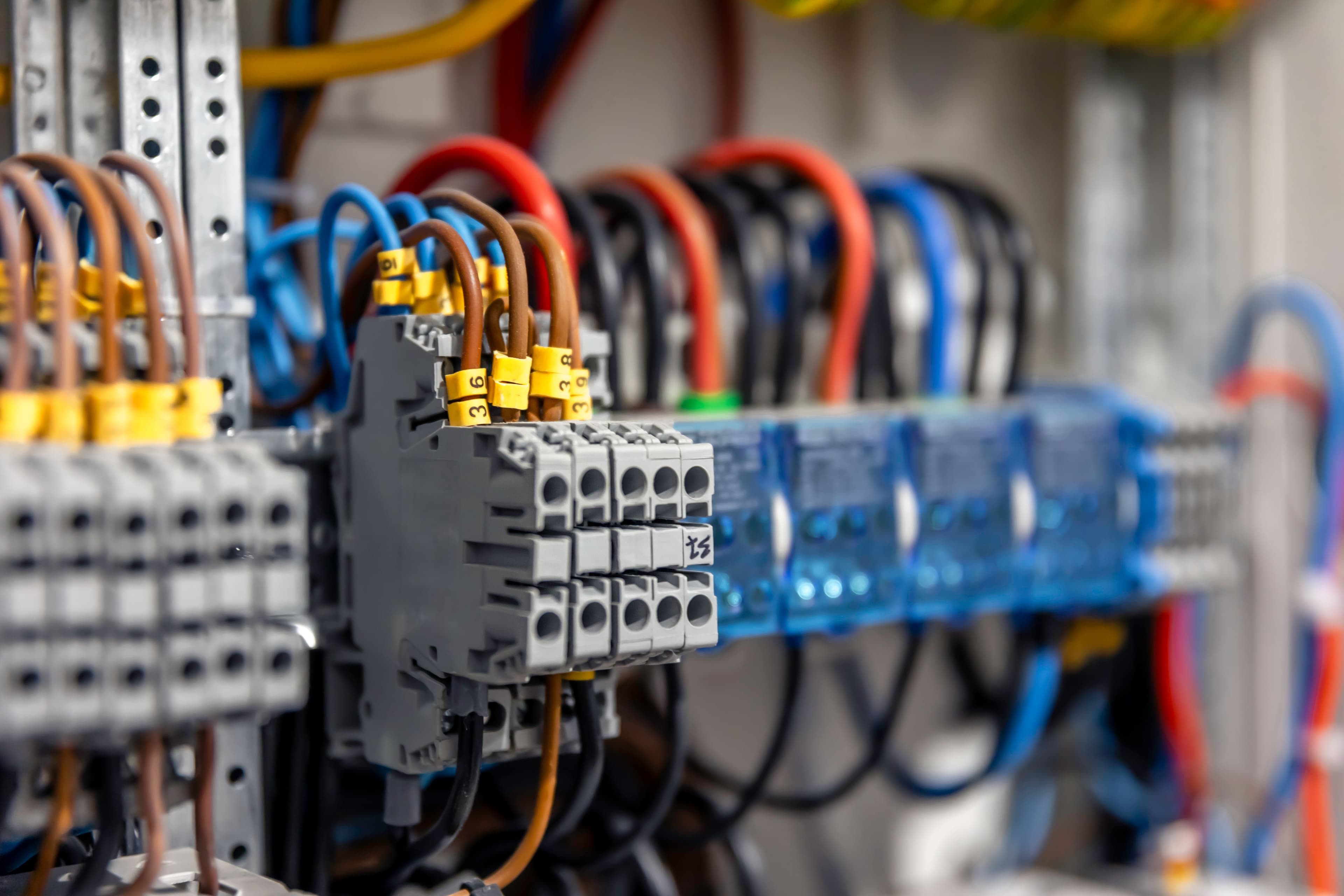
How the System Protects Your Equipment
Our process & electrical equipment protection enclosures provide integrated protection using certified materials, precision engineering, and a compliance-ready design. They are built to control heat, pressure, contaminants and electrical interference, helping safeguard critical equipment and ensuring stable operation in demanding industrial environments.
- High Temperature Protection
- Blast and Overpressure Resistance
- Ingress and Contamination Control
- EMI/Electrical Interference Shielding
- Modular and Retrofit-Compatible Design
Sectors We Serve
Our solutions are designed for sectors where infrastructure reliability, safety, and long-term performance are critical.

Energy & Utilities

Energy & Utilities
- Power & Grid Infrastructure
- Energy & Process Facilities
- Onshore & Offshore Assets
- Renewable Energy Infrastructure

Industrial
Industrial
- Chemical & Process Plants
- Manufacturing & Heavy Industry
- Hazardous Material storage facilities
- Automotive & Industrial Campuses

Transportation
Transportation
- Airports & Aviation Facilities
- Metro, Rail & Mass Transit Systems
- Roads, Highways & Vehicular Tunnels
- Ports, Shipyards & Marine Transport Infrastructure

Defence
Defence
- Defence & Command Facilities
- Critical National Infrastructure (CNI)
- Secure & Hardened Assets
- Border, Coastal & Strategic Installations

Infrastructure
Infrastructure
- Data Centres & Digital Infrastructure
- Public Venues & Stadia
- Cultural & Institutional Buildings
- Government & Diplomatic Facilities

Commercial/Mixed-Use
Commercial/Mixed-Use
- Hospitality & Leisure
- Financial & Commercial Buildings
- Mixed-Use Landmark Developments



Inputs for Specifying Process and Electrical Equipment Protection Enclosures
Use the project brief and coordinated drawings to confirm the following inputs before detailed selection.
Equipment function and hazard assessment
Provide the equipment function, identified hazards and the protection objective defined by the project team.
Enclosure size and access requirements
Confirm enclosure dimensions, doors, hatches, operating clearances and equipment replacement requirements.
Ventilation and heat-management needs
Define airflow, heat management and environmental conditions that must be coordinated with the enclosure.
Inspection and replacement strategy
Plan inspection, maintenance and replacement access before the enclosure layout and service entries are finalised.
Frequently Asked Questions About Process and Electrical Equipment Protection Enclosures
Answers to common selection, coordination and evidence questions.
Begin with equipment details, enclosure geometry, required performance, ventilation, services, access, supports and maintenance clearances. Clear drawings and acceptance criteria help the technical team assess an appropriate configuration without assuming that one arrangement suits every project.
Review walls, roofs, doors, hatches, ventilation paths, cable entries, pipework and supporting construction. These details form part of the installed system and should be resolved before fabrication or installation.
Review system evidence covering the proposed enclosure build-up, openings, penetrations and supporting details. The evidence should match the proposed materials, dimensions, orientation and interfaces rather than being treated as a general approval for every use.
It may be considered for switchgear, tanks, valves, data rooms and other process or electrical assets requiring project-specific fire separation. Final suitability depends on the project brief, site conditions and supporting technical evidence.
Retrofit use may be possible after the existing structure, available space, access and interfaces have been surveyed. The proposed arrangement must then be checked against the project requirement and the evidence available for that configuration.
Provide relevant drawings, equipment details, enclosure geometry, required performance, ventilation, services, access, supports and maintenance clearances, along with programme constraints and the documentation required for review. This helps define the scope and identify any information that must be confirmed by the project team.