
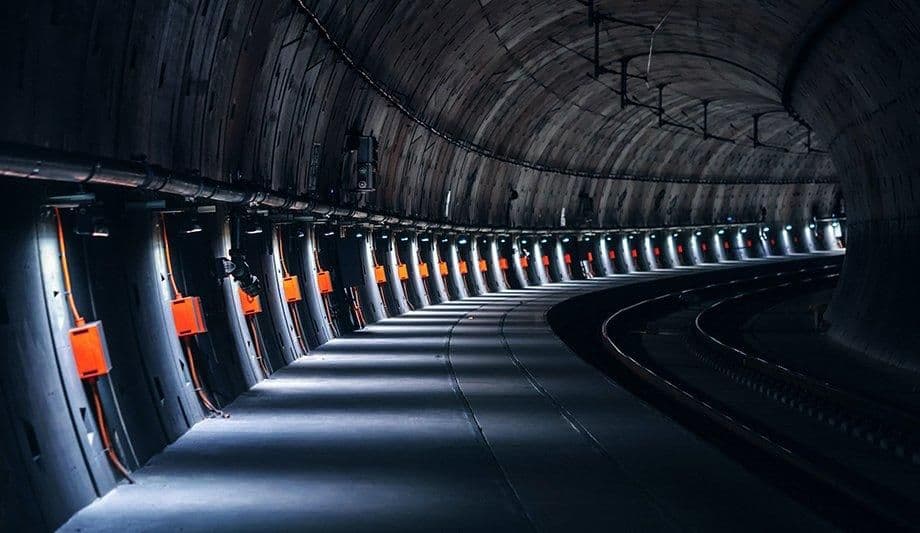


Why High-Voltage Cable Fire Encasement Matters
High-voltage cable routes are critical infrastructure zones where electrical faults, overheating, or insulation failure can quickly lead to fire. In confined cable corridors, heat and flames can spread rapidly across connected systems. Without proper fire encasement, a single incident can trigger major outages, equipment damage, and serious safety risks. Fire protection is essential for operational continuity and regulatory compliance. Without dedicated, engineered fire encasement systems:
- Fire can spread through cable runs, affecting multiple circuits and essential services.
- Extreme heat can damage insulation, cable trays and nearby structural components.
- Smoke and toxic gases can delay shutdown, access, evacuation, and emergency response.
What is a High Voltage Cable Fire Encasement System?
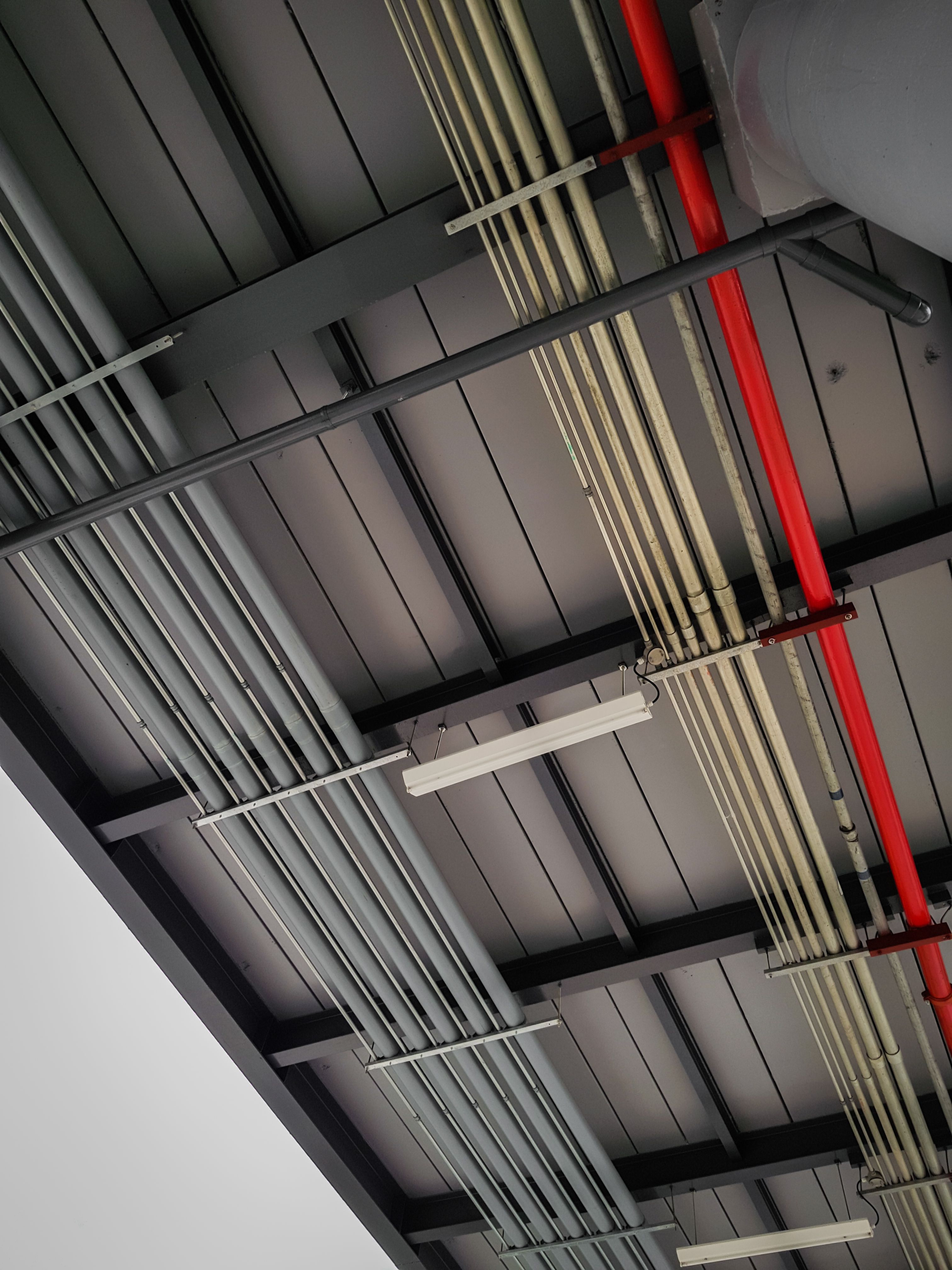
A SECURA high-voltage cable fire encasement system is a robust, multi-layer protective casing engineered to contain fire and electrical faults along critical cable infrastructure.
How the System Protects Your Cables
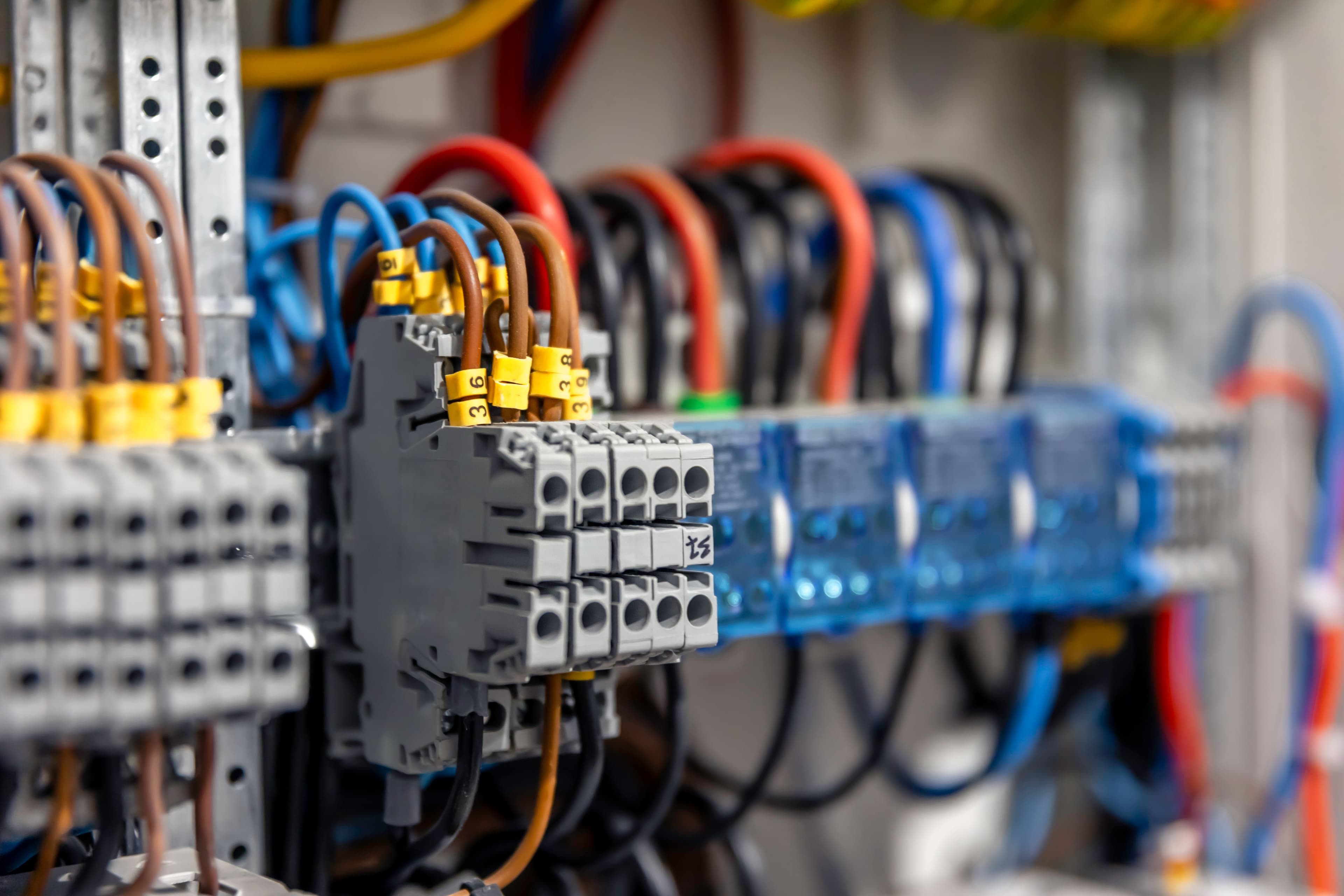
Our integrated approach combining R&D, manufacturing, and compliance expertise delivers end-to-end cable protection without the complexity of managing multiple vendors. Every system is engineered and tested to perform across power, transportation, and industrial environments.
- Thermal & Fire Barrier Performance
- Short Circuit & Arc Flash Containment
- Mechanical Impact & Vibration Resistance
- Moisture, Chemical & Corrosion Protection
- Modular Installation & Retrofit Compatibility
Sectors We Serve
Our solutions are designed for sectors where infrastructure reliability, safety, and long-term performance are critical.

Energy & Utilities

Energy & Utilities
- Power & Grid Infrastructure
- Energy & Process Facilities
- Onshore & Offshore Assets
- Renewable Energy Infrastructure

Industrial
Industrial
- Chemical & Process Plants
- Manufacturing & Heavy Industry
- Hazardous Material storage facilities
- Automotive & Industrial Campuses

Transportation
Transportation
- Airports & Aviation Facilities
- Metro, Rail & Mass Transit Systems
- Roads, Highways & Vehicular Tunnels
- Ports, Shipyards & Marine Transport Infrastructure
Defence
Defence
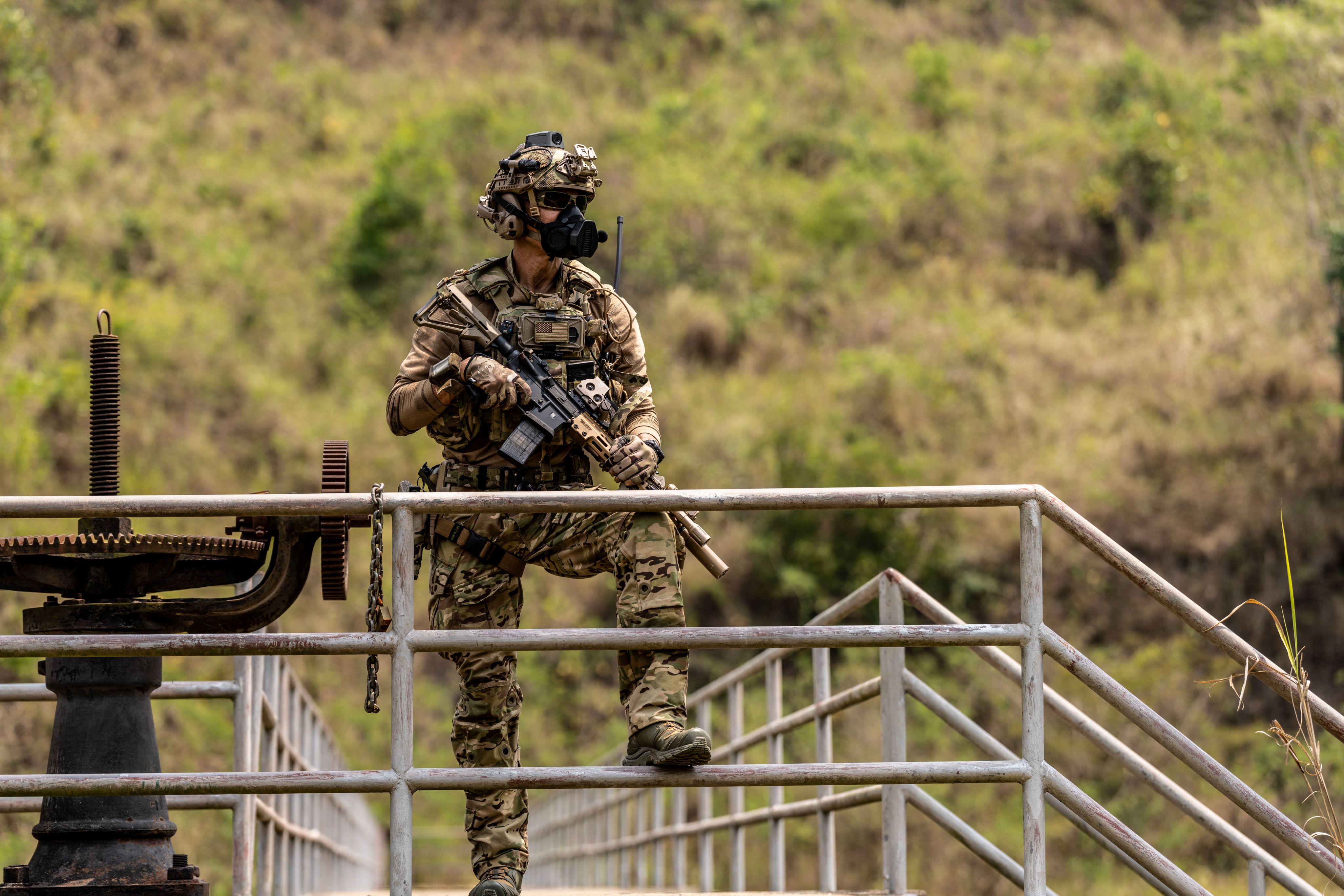
- Defence & Command Facilities
- Critical National Infrastructure (CNI)
- Secure & Hardened Assets
- Border, Coastal & Strategic Installations

Infrastructure
Infrastructure
- Data Centres & Digital Infrastructure
- Public Venues & Stadia
- Cultural & Institutional Buildings
- Government & Diplomatic Facilities

Commercial/Mixed-Use
Commercial/Mixed-Use
- Hospitality & Leisure
- Financial & Commercial Buildings
- Mixed-Use Landmark Developments



Inputs for Specifying High-Voltage Cable Fire Encasement Systems
Use the project brief and coordinated drawings to confirm the following inputs before detailed selection.
Cable type, loading and route
Provide the cable type, circuit function, loading, route and any constraints affecting the proposed encasement.
Required protection objective
Define the required fire protection objective and the critical services or adjoining assets that the cable route supports.
Support spacing and available clearance
Confirm cable supports, spacing, penetrations, bends and the clearance available around the route.
Inspection and future cable access
Identify inspection points, removable sections and future cable access requirements before finalising the encasement.
Frequently Asked Questions About High-Voltage Cable Fire Encasement Systems
Answers to common selection, coordination and evidence questions.
Begin with cable type, route, enclosure dimensions, support layout, penetrations, access needs and required performance classification. Clear drawings and acceptance criteria help the technical team assess an appropriate configuration without assuming that one arrangement suits every project.
Review turning boxes, supports, wall and floor crossings, joints, terminations and removable access points. These details form part of the installed system and should be resolved before fabrication or installation.
Review test or assessment evidence covering the proposed enclosure, cable route, supports, joints and penetration details. The evidence should match the proposed materials, dimensions, orientation and interfaces rather than being treated as a general approval for every use.
It may be considered for power, utility and industrial facilities where critical cable routes require fire separation or continued protection. Final suitability depends on the project brief, site conditions and supporting technical evidence.
Retrofit use may be possible after the existing structure, available space, access and interfaces have been surveyed. The proposed arrangement must then be checked against the project requirement and the evidence available for that configuration.
Provide relevant drawings, cable type, route, enclosure dimensions, support layout, penetrations, access needs and required performance classification, along with programme constraints and the documentation required for review. This helps define the scope and identify any information that must be confirmed by the project team.