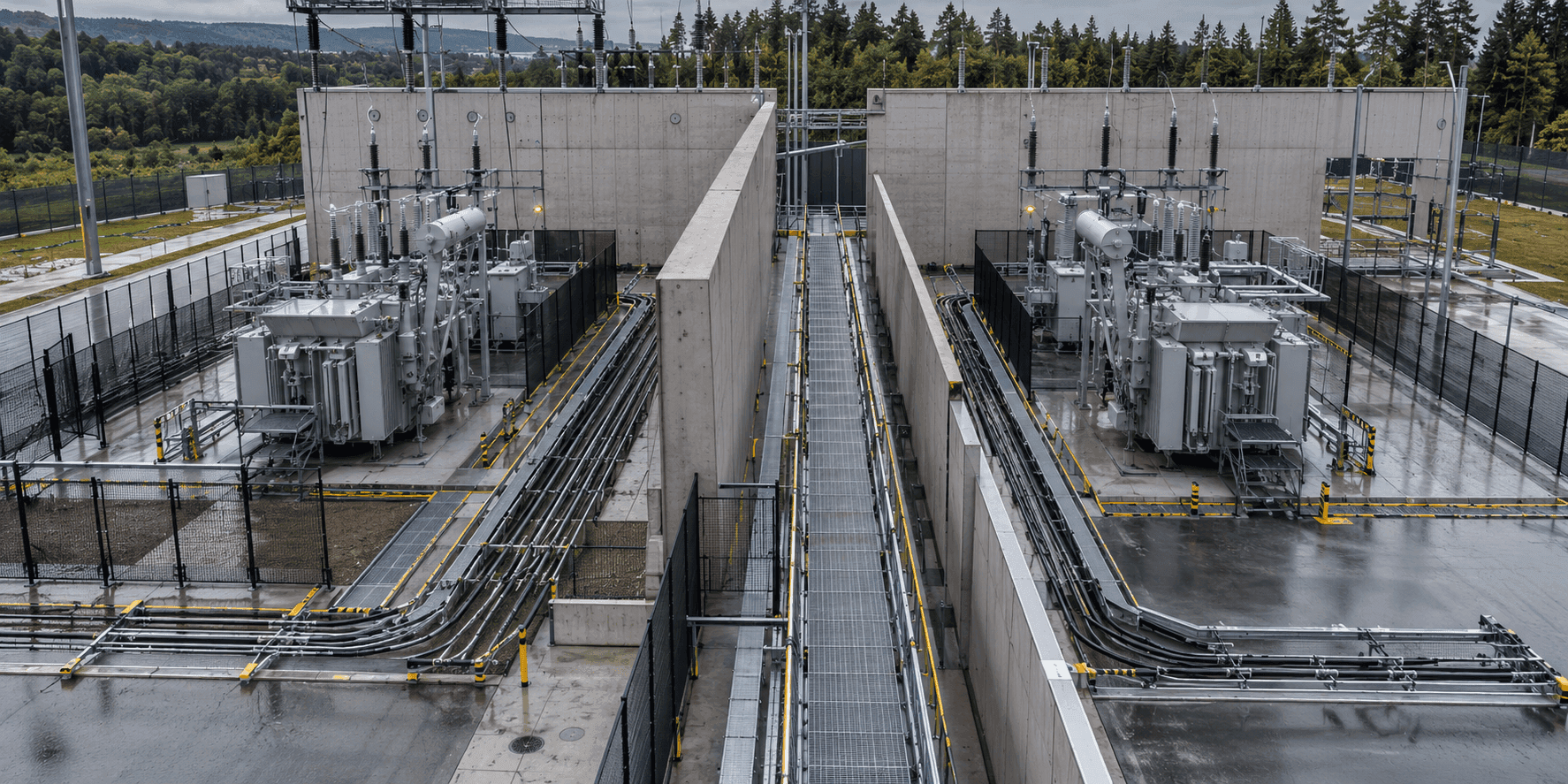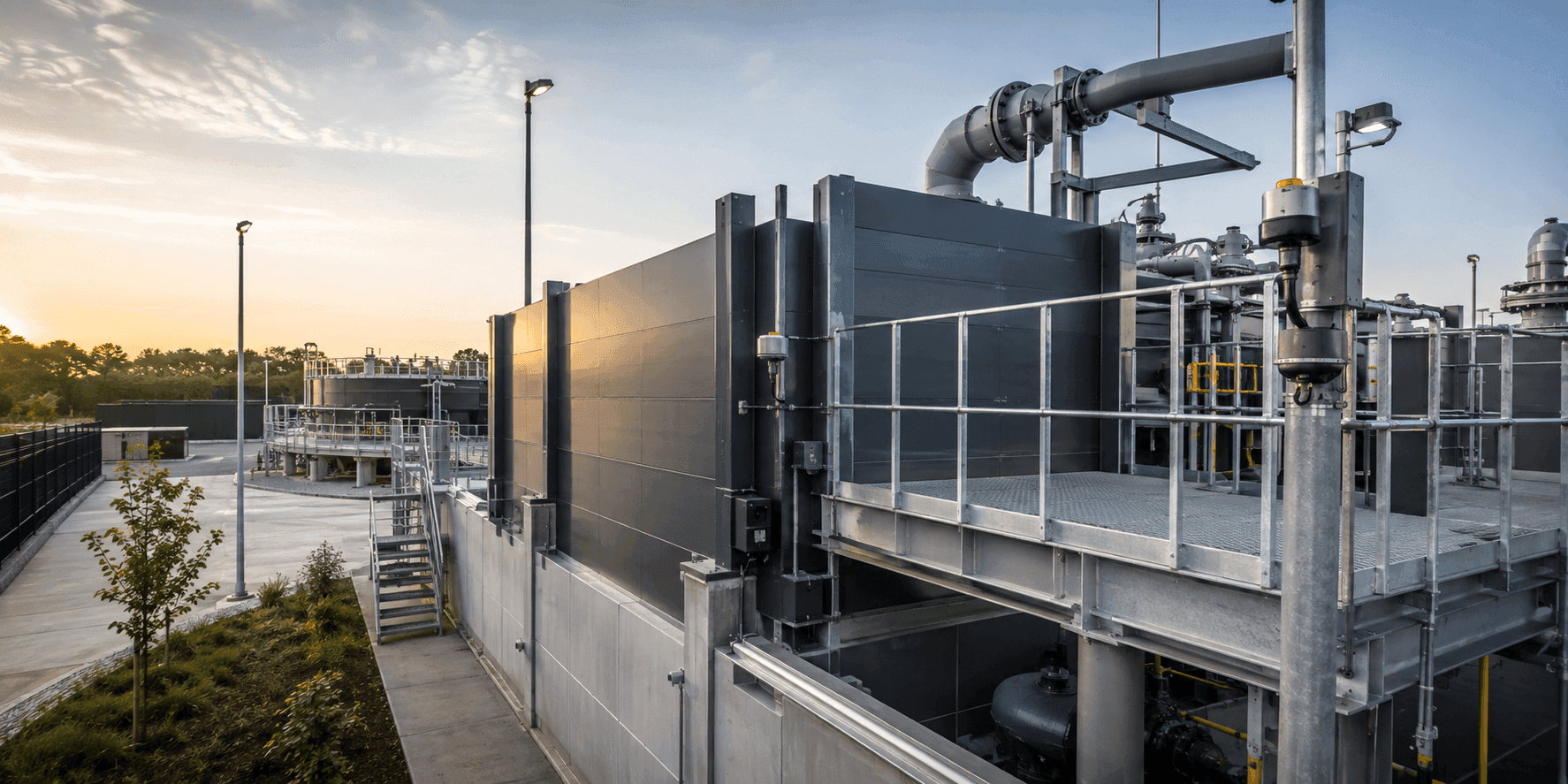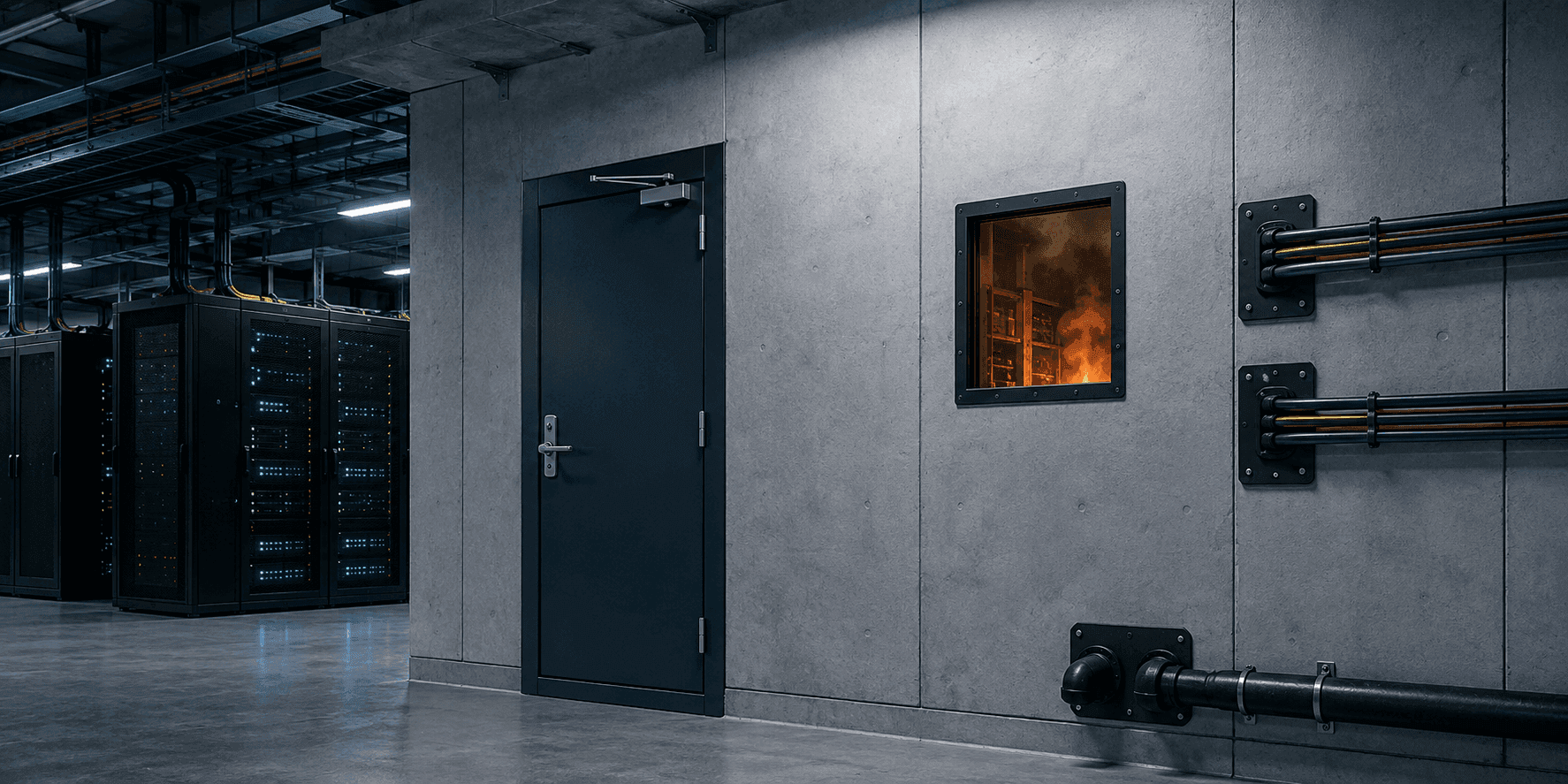
Engineered Systems vs Standalone Products in Critical Infrastructure
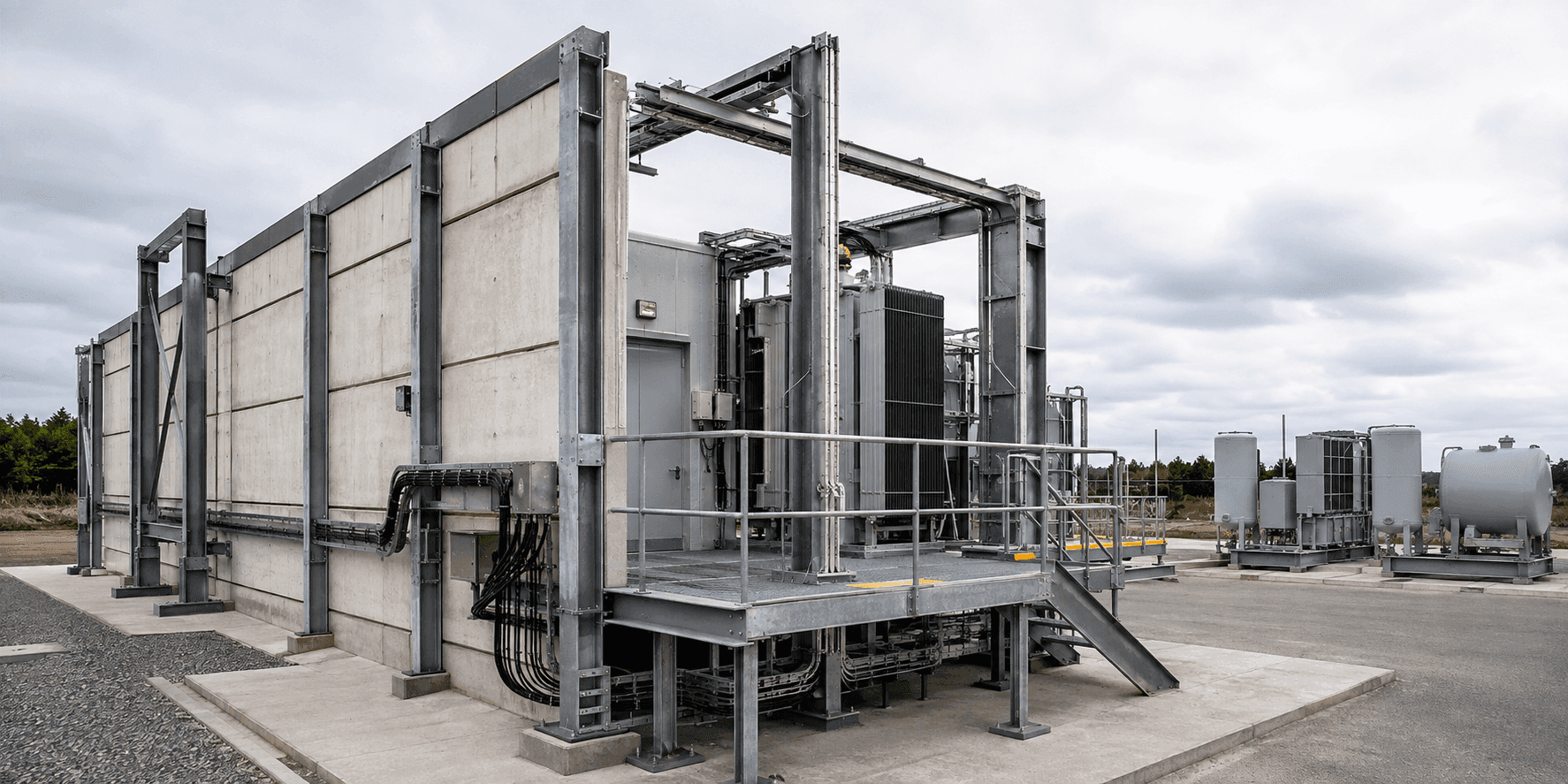
Engineered systems are configured and coordinated to meet a defined infrastructure outcome, while standalone products are supplied as individual items. The difference lies in how interfaces, installation, verification and responsibility are managed.
What Is the Difference Between Engineered Systems and Products?
A standalone product can be technically suitable for its stated purpose, yet it does not automatically form a complete engineered solution. An engineered system connects selected components with supports, fixings, openings, adjoining construction, controls, documentation and installation requirements.
In critical infrastructure, this distinction matters because performance is influenced by the installed arrangement rather than a product name alone. A wall panel depends on its frame, joints and penetrations. An access platform depends on its supports, connections, loads and safe approach. A monitoring device depends on data quality, alarm logic and the response process.
The appropriate procurement route depends on scope and risk. Product-only supply can suit well-defined, low-interface requirements. Systems-level delivery becomes more valuable as complexity, consequence and coordination needs increase.
- Defined performance outcome: The system is selected against an agreed operational, safety, structural or access requirement rather than a generic product category.
- Project-specific configuration: Components and details are coordinated around the actual layout, supports, environment and interfaces.
- Installation requirements: Sequencing, tolerances, access, competence and inspection points are considered as part of delivery.
- Configuration-relevant evidence: Documents and acceptance records are related to the proposed and installed arrangement, including stated limitations.
- Clear responsibility: The parties responsible for design inputs, technical review, supply, installation and acceptance are identified.
Engineered Systems Compared with Standalone Product Supply
- Selection basis: Required outcome, site conditions and complete configuration. Product type, quantity and standard product data.
- Interfaces: Reviewed as part of the system boundary. Usually coordinated by other project parties.
- Installation: Linked to design intent, tolerances and inspection requirements. May be limited to general instructions.
- Verification: Assesses the completed arrangement against agreed requirements. Confirms the supplied item and accompanying documents.
- Accountability: Responsibilities are defined across design, supply, installation and handover. Responsibility may end at delivery unless the contract states otherwise.
What Must Be Coordinated in an Engineered Infrastructure System?
Systems integration brings several workstreams together. The precise list varies, but the following areas commonly determine whether individual products function as an effective whole.
- Requirements and boundaries: Define the intended result, included elements, external dependencies and acceptance criteria.
- Supports and connections: Coordinate loads, substrates, fixings, movement, tolerances and adjoining construction.
- Openings and services: Review doors, penetrations, ducts, cables, drainage and maintenance access before installation.
- Fabrication and logistics: Align approved drawings with manufacture, packing, delivery sequence, storage and site access.
- Inspection and handover: Record hold points, completed details, reviewed changes and information required by the operator.
Why Product-Only Decisions Can Create Gaps
The concern is not that standalone products are inherently unsuitable. Risk appears when the project assumes that selecting a compliant or capable item also resolves every interface and delivery responsibility.
- Unclear system boundary: Important supports, seals, controls or adjoining elements can fall between packages.
- Evidence mismatch: Available product evidence may not address the orientation, size, openings or support arrangement proposed.
- Unreviewed substitutions: A change in material, fixing or component can alter assumptions built into the selected arrangement.
- Installation disconnect: Site constraints may lead to changes that are not returned for technical review.
- Incomplete handover: Disconnected documents make later inspection and modification more difficult to control.
When a Systems-Level Approach Adds Value
The value increases where system failure would affect safety, operations, compliance, programme or costly assets.
- Complex interfaces: Several trades, openings, supports or controls must work together.
- Safety-critical outcomes: The complete arrangement requires careful evidence, installation and change control.
- Retrofit constraints: Existing structures, restricted access and continued operations limit standard solutions.
- Long operating life: Handover information and controlled future changes influence lifecycle performance.
How Should Buyers Compare Engineered-System Proposals?
Compare the complete offered scope, not only the headline product or price. A useful proposal should make boundaries, assumptions and deliverables visible.
- What outcome does the proposal address?: Check that the supplier has understood the operational and technical requirement.
- Which interfaces are included?: Identify supports, openings, services and responsibilities that remain with others.
- What evidence applies?: Confirm relevance to the proposed configuration and its limitations.
- How will changes be reviewed?: Establish a route for technical queries, substitutions and site deviations.
- What will be handed over?: Define drawings, inspection records, approvals and information needed for future work.
How Invicta ANARA Supports Systems-Level Infrastructure Delivery
Invicta ANARA applies a solution-led approach across relevant protection, structural access and smart infrastructure requirements. Its role is to begin with the project outcome and coordinate the agreed engineering, supply, installation and documentation scope. The exact responsibility and evidence must be confirmed for each configuration and project.
Explore Invicta ANARA systems. Review the wider systems platform and the capabilities relevant to the project requirement.
SECURA by Invicta ANARA. Critical containment and protection systems for relevant fire, blast, ballistic, security and related risk scenarios.
STRUCTURA by Invicta ANARA. Engineered structural and access systems planned around safe use, durability, installation and maintainability.
INTEGRA by Invicta ANARA. Smart infrastructure and emerging technology capabilities connecting assets, information, monitoring and operational insight.
Frequently Asked Questions
Direct answers to common questions about engineered systems vs products.
Are engineered systems always better than standalone products?
No. Product-only supply may suit simple, well-defined scopes. Engineered delivery is more valuable where interfaces, consequences or configuration requirements are significant.
Does a tested product make the installed system tested?
Not automatically. Evidence must be reviewed against the complete proposed arrangement, including orientation, size, supports, joints and openings.
Who coordinates interfaces in a product-only package?
The contract should state this. Coordination may remain with the consultant, main contractor or another specialist party.
What information is needed before system selection?
Typical inputs include the required outcome, layout, environment, loads, interfaces, access constraints and acceptance requirements.
Can an engineered system change during construction?
Yes, but substitutions and site changes should be assessed, approved and recorded before they are incorporated.
Share the intended outcome, layout, interfaces and evidence needs so the appropriate systems-level scope can be reviewed. Discuss an Infrastructure Requirement.