
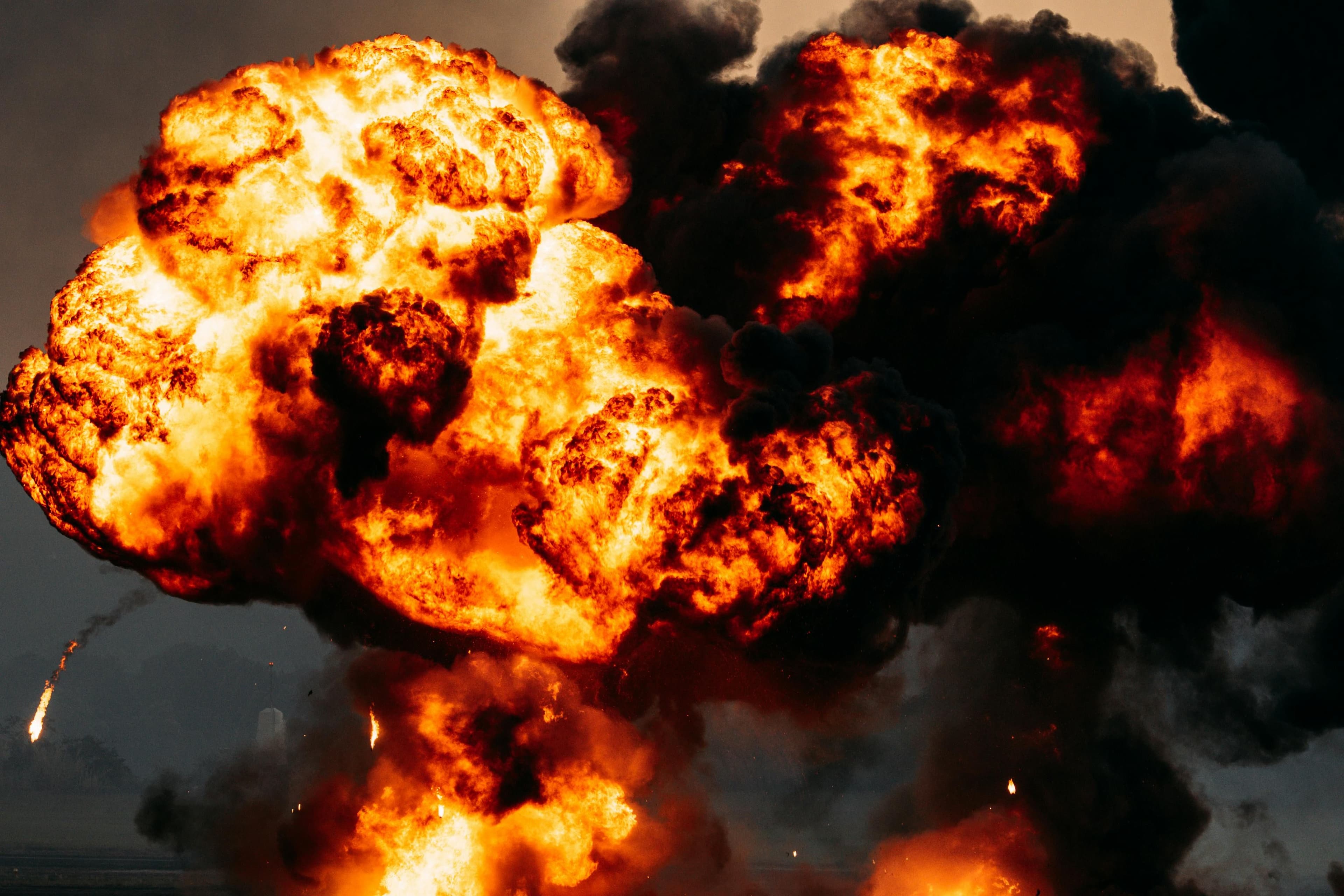
Fire-Rated Walls & Barriers for Hydrocarbon Blast Protection
Hydrocarbon fire and blast protection walls and barriers for oil, gas, petrochemical, energy and process facilities, planned around defined overpressure, impulse, fire exposure, structural interfaces and operational access.


Blast Containment Is Critical.
Sudden, high-pressure blast events pose a risk to industrial facilities, refineries, and petrochemical plants. Blast-rated walls and barriers are engineered to absorb and redirect explosive forces, protecting people, assets, and operations from catastrophic impact.
Engineered for reliable blast resistance
Meets industry blast safety standards
Minimises operational downtime after a blast event
Adaptable across diverse industrial environments

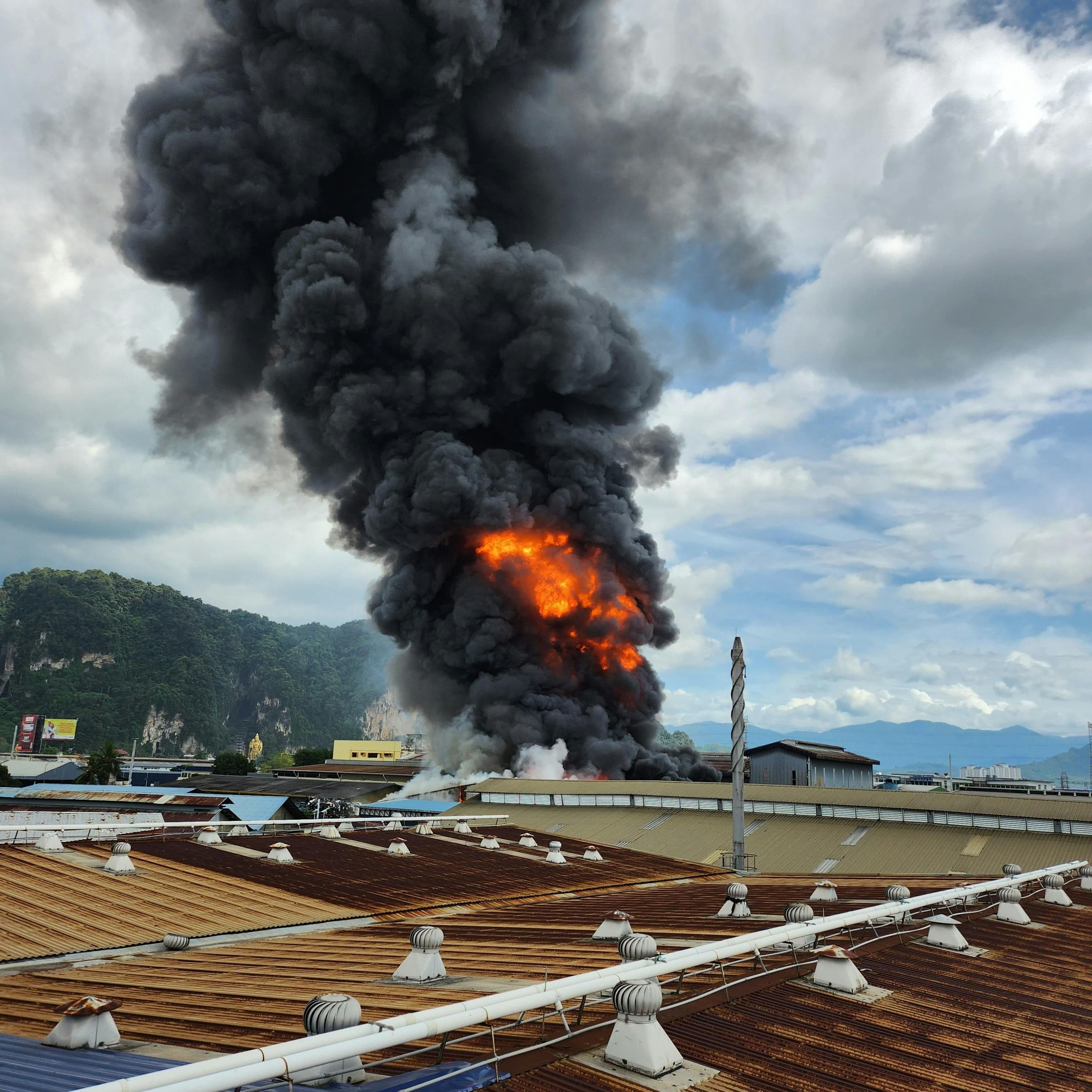
Blast Containment Performance and Structural Reliability
- Built to resist blast overpressure from hydrocarbon events
- Separates high-risk zones from occupied areas
- Maintains structural integrity post-blast
- Modular configurations for varied site layouts
- Suitable for facilities handling flammable gases and liquids
Integrated Blast Compartmentation
In hydrocarbon processing environments, walls and barriers serve as primary defences against catastrophic blasts and fires. SECURA systems are engineered to withstand extreme overpressure and sustained thermal exposure, integrating seamlessly with adjacent structural and fire-rated elements to deliver full compartment integrity.

Blast Rated Wall Panels
Built to absorb and deflect hydrocarbon explosion overpressure while maintaining structural continuity.

Penetration Seals & Fire-Rated Ducts
Preserve barrier integrity where pipes, cabling, and ducts pass through walls.

Blast Doors & Access Systems
Protect entry and egress points against high-pressure blast events.

Ceiling & Roof Blast Assemblies
Deliver complete vertical and lateral containment across horizontal planes.
Ventilation & Smoke Control Systems
Manage airflow and soke extraction without compromising blast containment.
Structural Fireproofing Integration
Unify passive fire protection and blast-resistant construction in a single wall assembly.
Sectors We Serve
Our solutions are designed for sectors where infrastructure reliability, safety, and long-term performance are critical.

Energy & Utilities

Energy & Utilities
- Power & Grid Infrastructure
- Energy & Process Facilities
- Onshore & Offshore Assets
- Renewables & Energy Transition
Industrial
Industrial
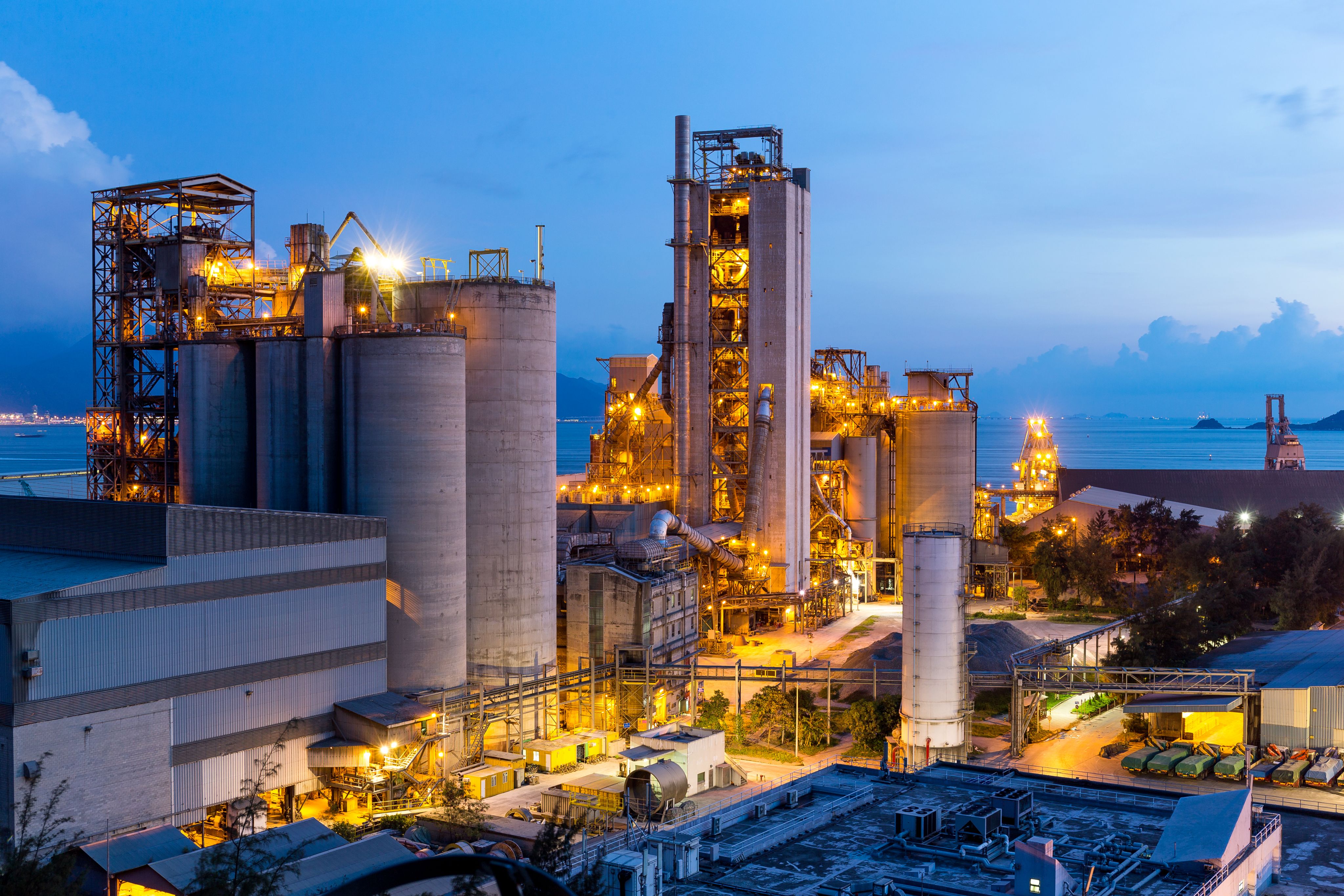
- Chemical & Process Plants
- Manufacturing & Heavy Industry
- Hazardous & Controlled Storage
- Automotive & Industrial Campuses

Transportation
Transportation
- Airports & Aviation Infrastructure
- Metro, Rail & Mass Transit
- Roads, Highways & Vehicular Tunnels
- Ports, Shipyards & Marine Transport

Defence
Defence
- Defence & Command facilities
- Critical National Infrastructure (CNI)
- Secure & Hardened Assets
- Border, Coastal & Strategic Installations

Infrastructure
Infrastructure
- Data Centres & Digital Infrastructure
- Public Venues & Stadia
- Cultural & Institutional Buildings
- Government & Diplomatic Facilities

Commercial/Mixed-Use
Commercial/Mixed-Use
- Hospitality & Leisure
- Financial & Commercial Buildings
- Mixed-Use Landmark Developments



Inputs for Specifying Hydrocarbon Fire and Blast Protection Walls and Barriers
Use the project brief and coordinated drawings to confirm the following inputs before detailed selection.
Hazard study and design scenarios
Provide the hazard study and project defined fire, pressure and impulse scenarios.
Required fire and pressure response
Confirm the required fire and pressure response for the proposed complete barrier configuration.
Barrier dimensions and support conditions
Define barrier height, length, orientation, foundations, supports and structural boundary conditions.
Openings, access and operational clearances
Identify doors, penetrations, access routes and operational clearances that must be coordinated with the barrier.
Frequently Asked Questions About Hydrocarbon Fire and Blast Protection Walls and Barriers
Answers to common selection, coordination and evidence questions.
Begin with the hazard study, overpressure and impulse basis, fire exposure, barrier geometry, supports, corrosion environment and access. Clear drawings and acceptance criteria help the technical team assess an appropriate configuration without assuming that one arrangement suits every project.
Review panel joints, support steel, foundations, barrier ends, penetrations, doors and adjoining structures. These details form part of the installed system and should be resolved before fabrication or installation.
Review test, calculation or assessment evidence applicable to the defined load case and proposed complete barrier configuration. The evidence should match the proposed materials, dimensions, orientation and interfaces rather than being treated as a general approval for every use.
They may be considered for oil, gas, petrochemical, energy and process facilities with defined hydrocarbon fire and overpressure scenarios. Final suitability depends on the project brief, site conditions and supporting technical evidence.
Retrofit use may be possible after the existing structure, available space, access and interfaces have been surveyed. The proposed arrangement must then be checked against the project requirement and the evidence available for that configuration.
Provide relevant drawings, the hazard study, overpressure and impulse basis, fire exposure, barrier geometry, supports, corrosion environment and access, along with programme constraints and the documentation required for review. This helps define the scope and identify any information that must be confirmed by the project team.