Blast-Rated Ventilation Louvres
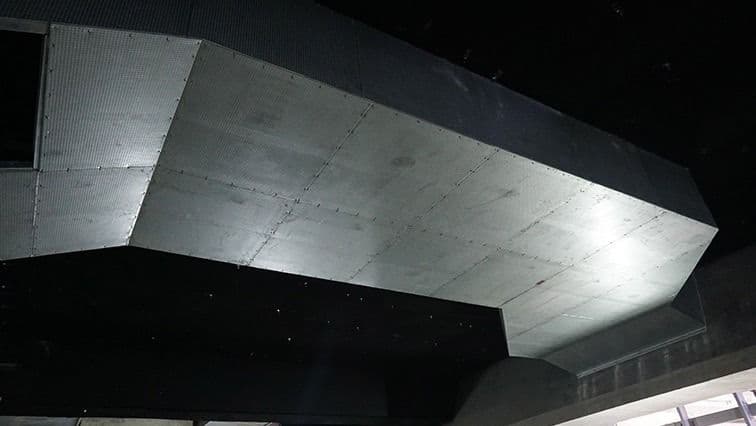
Blast-rated ventilation louvres protect ventilation openings where a defined blast threat must be considered alongside airflow requirements. SECURA by Invicta ANARA supports selection around the specified pressure loading, opening dimensions, blade arrangement and structural fixings. Any additional fire or smoke-control performance requires evidence for the selected assembly.

Why Blast-Rated Ventilation Louvres Matter
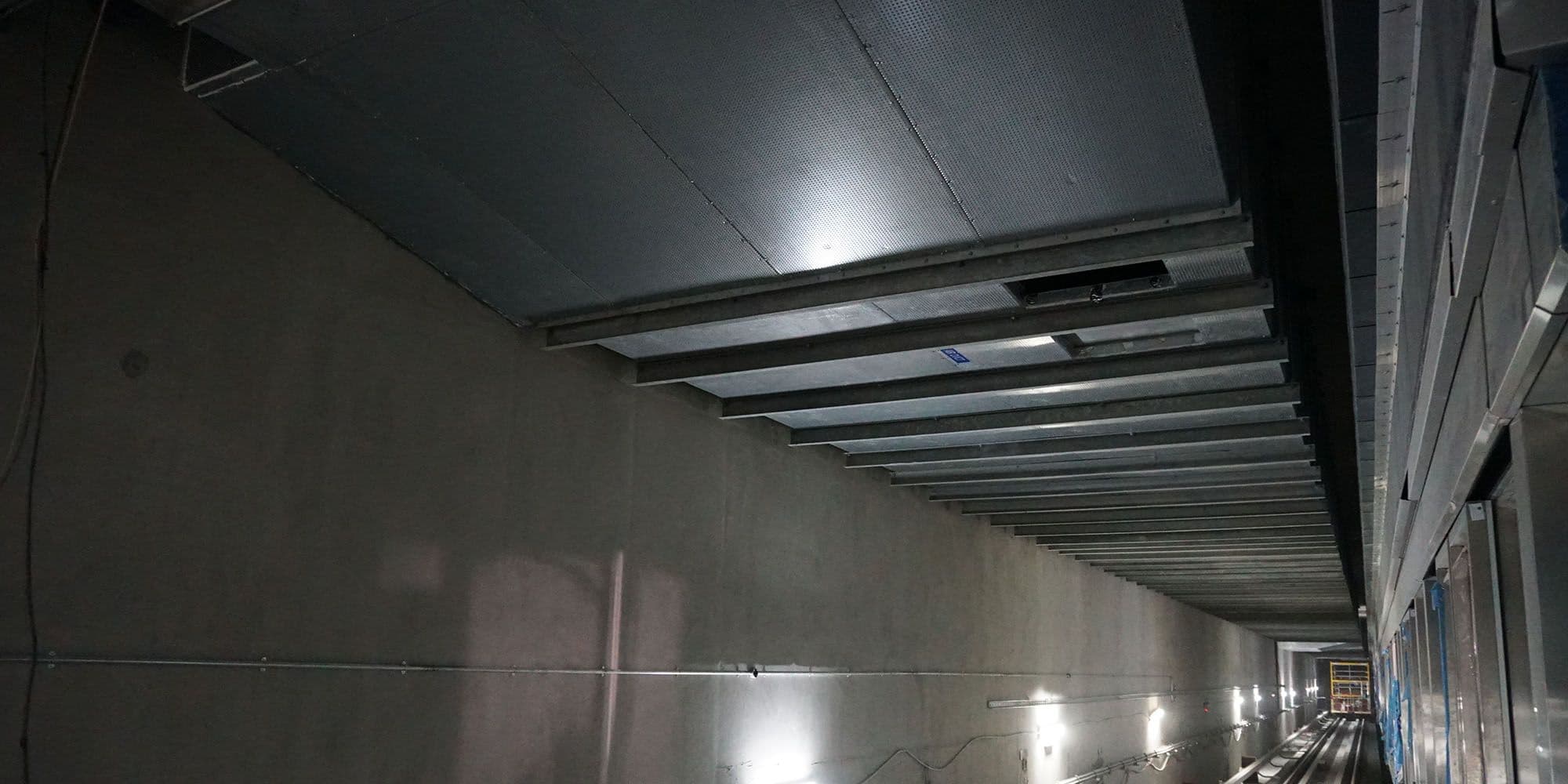
High-risk facilities, such as power plants, data centers, tunnels, and industrial plants, demand continuous airflow in environments where fire, blast overpressure, and toxic gases are constant threats. Standard louvres fail under these conditions, shattering on impact, fragmenting into projectiles or collapsing entirely, compromising both ventilation and structural integrity. Blast-rated fire ventilation louvres are not an upgrade; they are baseline requirements for safety, continuity and compliance. Without dedicated blast-rated fire ventilation louvres:
Fire and blast overpressure can propagate freely across facilities, endangering lives and critical infrastructure.
Standard louvres shatter under blast loads, turning into hazardous fragments and compromising structural protection.
Smoke, toxic gases, and heat build up make safe evacuation and emergency response nearly impossible.
Contain fire and smoke within defined compartment boundaries

What Is a Blast-Rated Ventilation Louvre?
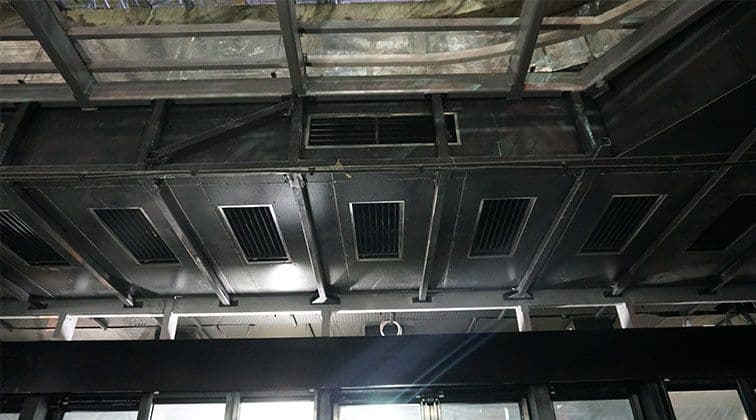
A blast-rated louvre is a blade-and-frame assembly assessed for specified blast-loading conditions. Its suitability depends on the pressure and impulse criteria, airflow requirements, anchorage and surrounding construction. Blast relief louvres serve a different pressure-management function and require separate specification.
- Fire Resistance
- Blast Overpressure Protection
- Thermal Stability
- Structural Load Integrity
Integrating Blast-Rated Louvres with Ventilation
A blast-rated louvre or blast baffle system must be coordinated with the ventilation route and supporting structure. Selection considers airflow, pressure drop, blade geometry, fixing details and the defined blast scenario. Fire resistance and smoke control must be assessed separately where required.

High-Temperature Fire Resistance
Where fire resistance is required, confirm the applicable fire exposure and classification against evidence for the complete louvre assembly.

Blast & Overpressure Containment
Assess the blade assembly, frame and anchors against the specified blast pressure, impulse and loading direction.

Smoke & Toxic Gas Isolation
Confirm any smoke-leakage or gas-isolation requirement separately; ventilation airflow does not establish smoke-tight performance.

Modular Design & Easy Installation
Coordinate louvre dimensions, supporting construction and installation access with the ventilation layout and structural fixing requirements.
Sectors We Serve
Our solutions are designed for sectors where infrastructure reliability, safety, and long-term performance are critical.

Energy & Utilities

Energy & Utilities
- Power & Grid Infrastructure
- Energy & Process Facilities
- Onshore & Offshore Assets
- Renewables & Energy Transition
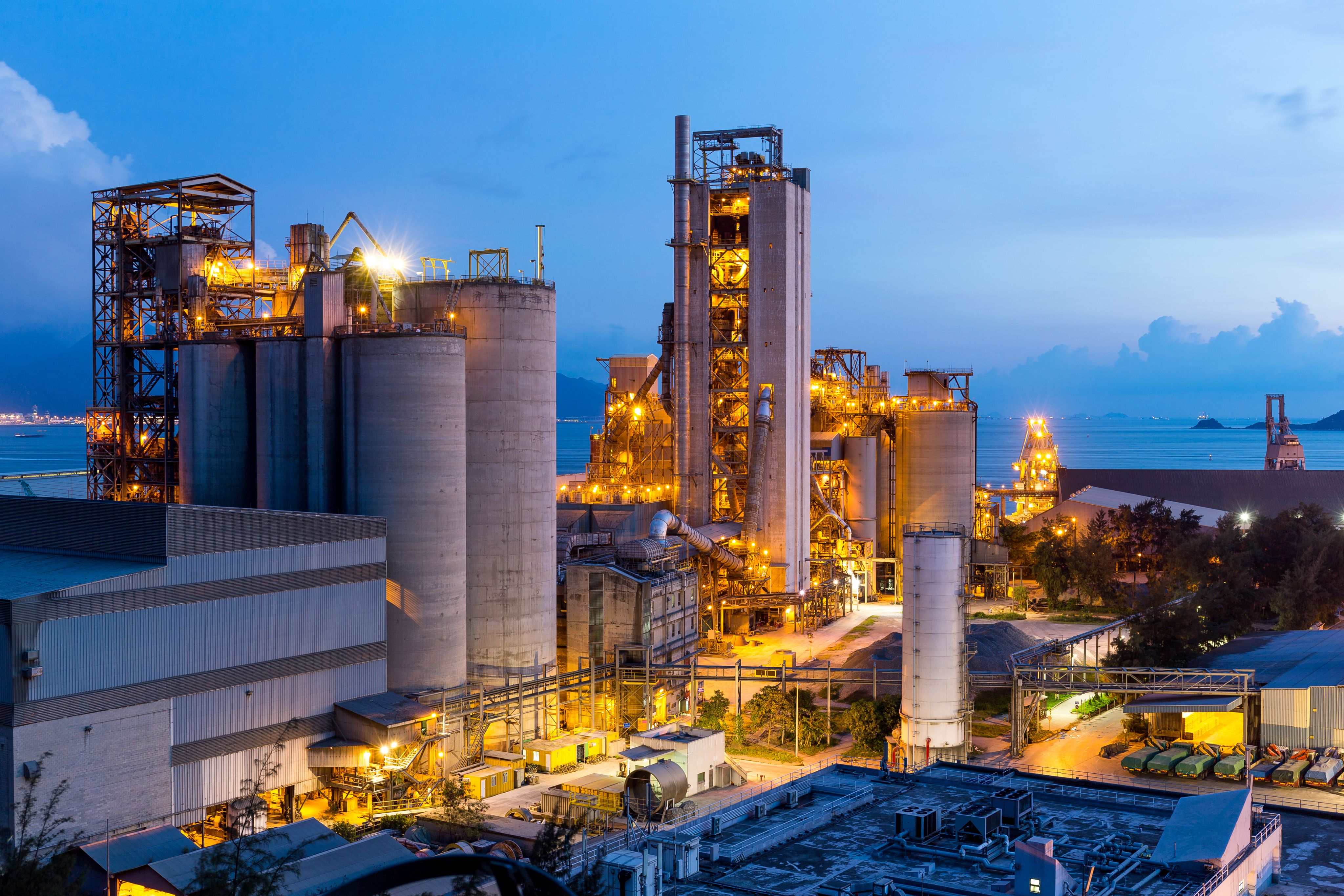
Industrial
Industrial
- Chemical & Process Plants
- Manufacturing & Heavy Industry
- Hazardous & Controlled Storage
- Automotive & Industrial Campuses

Transportation
Transportation
- Airports & Aviation Infrastructure
- Metro, Rail & Mass Transit
- Roads, Highways & Vehicular Tunnels
- Ports, Shipyards & Marine Transport

Defence
Defence
- Defence & Command facilities
- Critical National Infrastructure (CNI)
- Secure & Hardened Assets
- Border, Coastal & Strategic Installations

Infrastructure
Infrastructure
- Data Centres & Digital Infrastructure
- Public Venues & Stadia
- Cultural & Institutional Buildings
- Government & Diplomatic Facilities
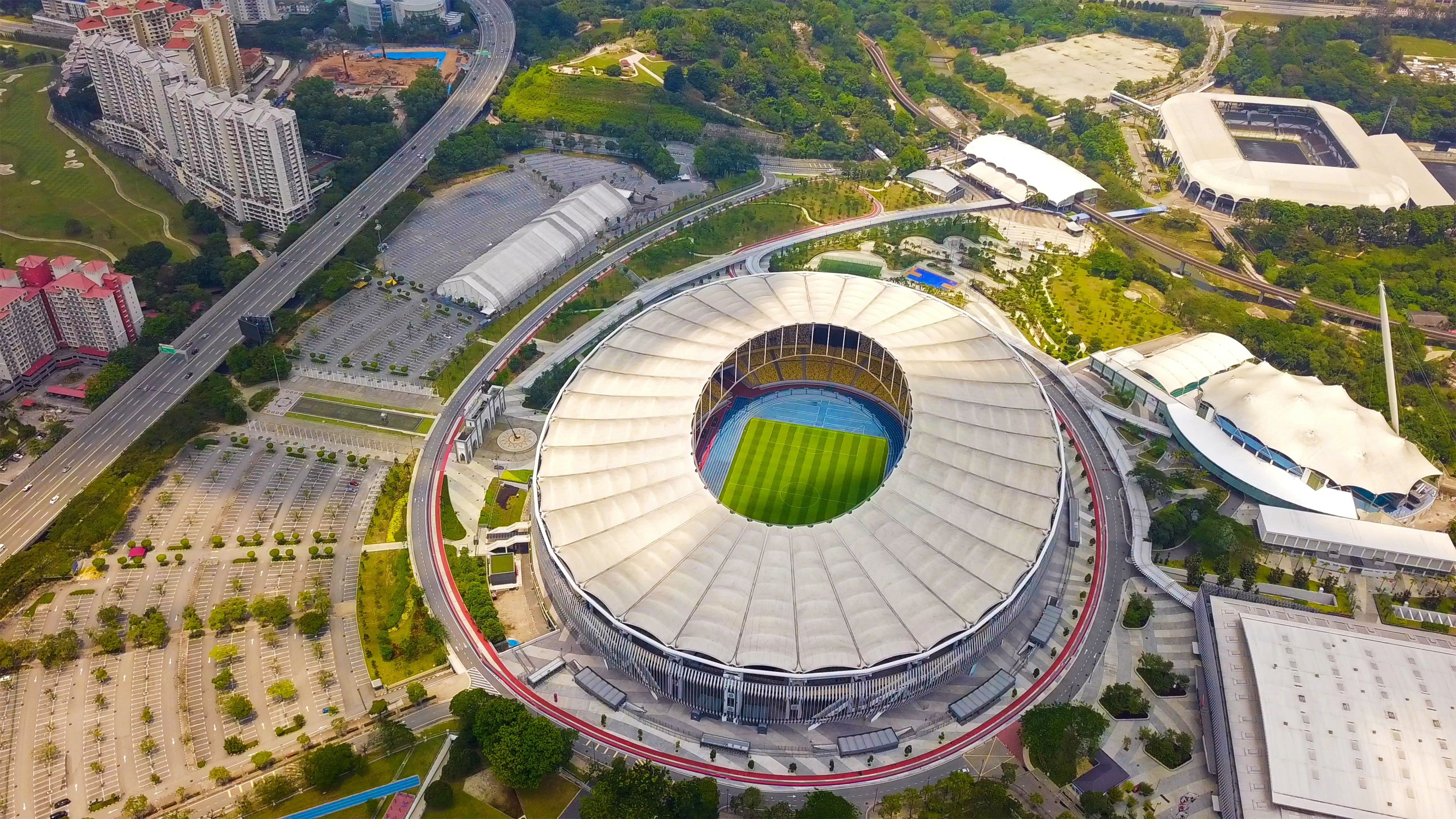
Commercial/Mixed-Use
Commercial/Mixed-Use
- Hospitality & Leisure
- Financial & Commercial Buildings
- Mixed-Use Landmark Developments