
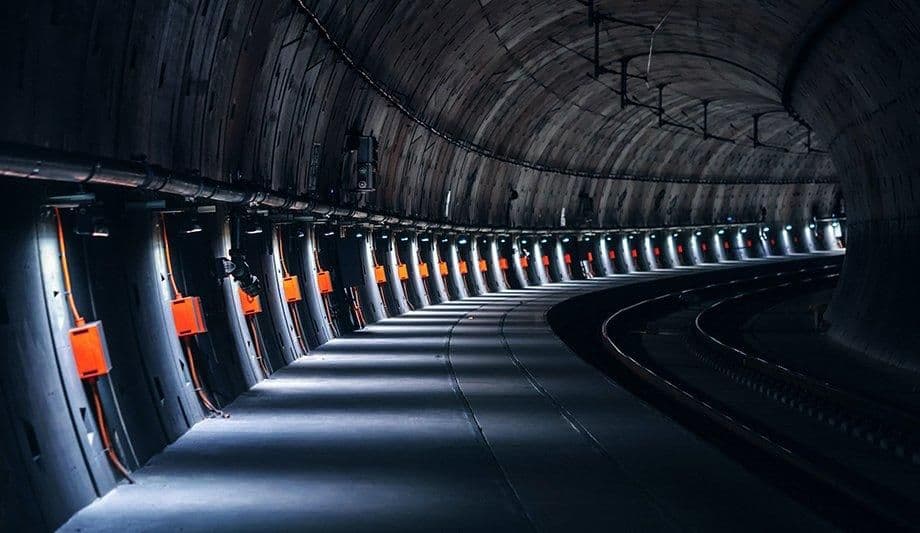


Secure Vault Enclosures
Vaults and enclosures are crucial areas that can quickly become serious problems if they experience unauthorised access, damage, break-ins, or system failures. Standard enclosures or conventional builds often fail due to inadequate reinforcement, poor sealing integrity, and non-compliance with security grade specifications. Hence, robust vault enclosures and access containments are not optional; they're essential for asset protection, operational continuity, and regulatory compliance. Without dedicated, engineered enclosure solutions:
- Unauthorised access can compromise entire secure zones, putting critical assets and sensitive data at immediate risk.
- Substandard enclosures may fail under physical stress, exposing vulnerabilities and undermining structural containment integrity.
- Smoke and toxic gases can delay shutdown, access, evacuation, and emergency response.
What Is a Secure Vault Enclosure System?
A SECURA secure vault enclosure is a high-integrity, multi-layer protective structure engineered to safeguard critical assets during extreme security and environmental events.
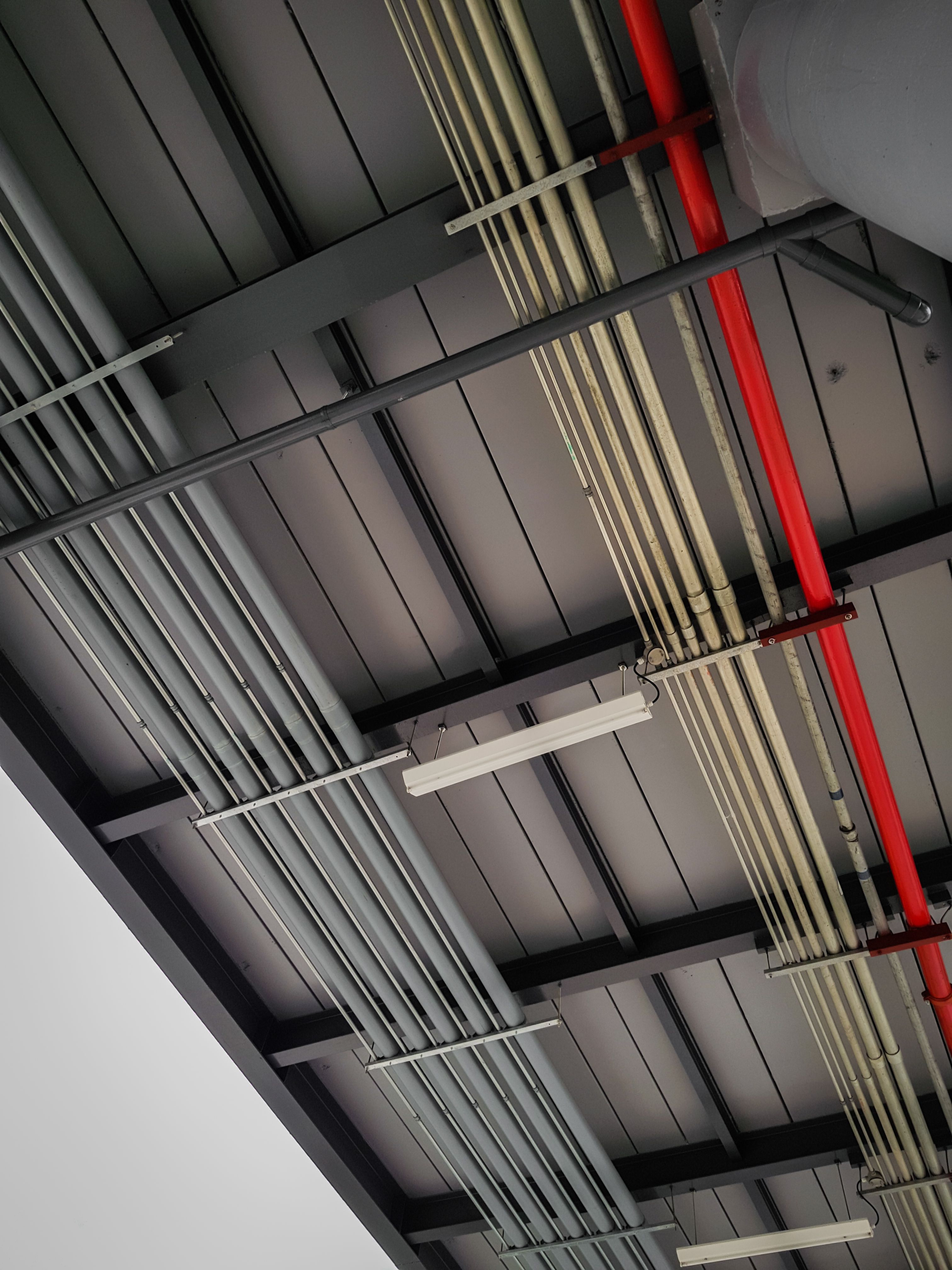
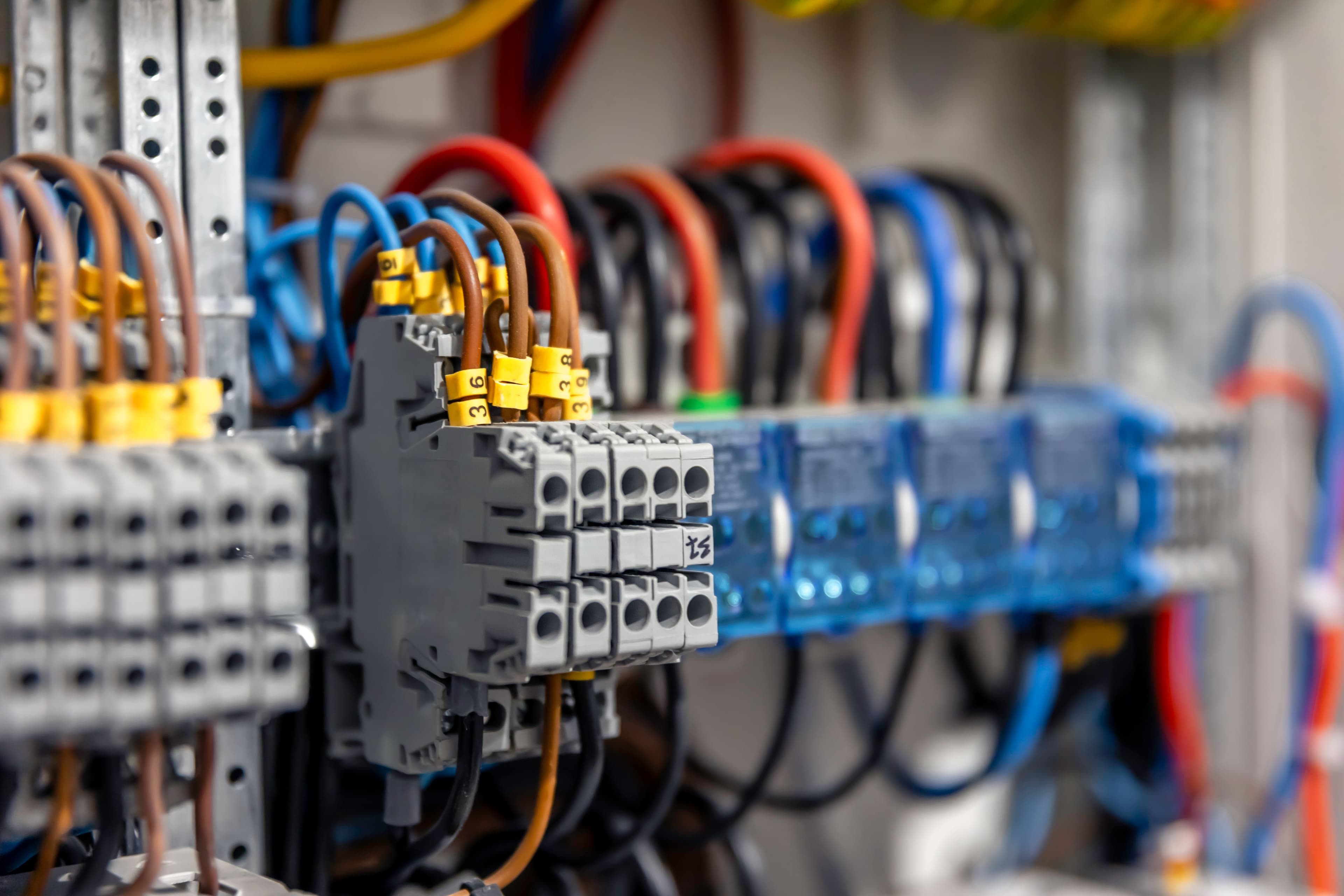
How the System Protects Your Vault
Invicta ANARA’s three divisions, R&D, certified manufacturing, and technical design, operate as a single engineering ecosystem. Together, they deliver vault enclosure solutions built for global compliance, expert installation, and reliable protection of critical assets across industries.
- Ballistic & Forced Entry Resistance
- Thermal & Fire Rated Shielding
- Anti-Tamper & Intrusion Detection
- Blast & Overpressure Containment
- Modular, Scalable & Retrofit Ready
Sectors We Serve
Our solutions are designed for sectors where infrastructure reliability, safety, and long-term performance are critical.

Energy & Utilities

Energy & Utilities
- Power & Grid Infrastructure
- Energy & Process Facilities
- Onshore & Offshore Assets
- Renewable Energy Infrastructure

Industrial
Industrial
- Chemical & Process Plants
- Manufacturing & Heavy Industry
- Hazardous Material storage facilities
- Automotive & Industrial Campuses

Transportation
Transportation
- Airports & Aviation Facilities
- Metro, Rail & Mass Transit Systems
- Roads, Highways & Vehicular Tunnels
- Ports, Shipyards & Marine Transport Infrastructure
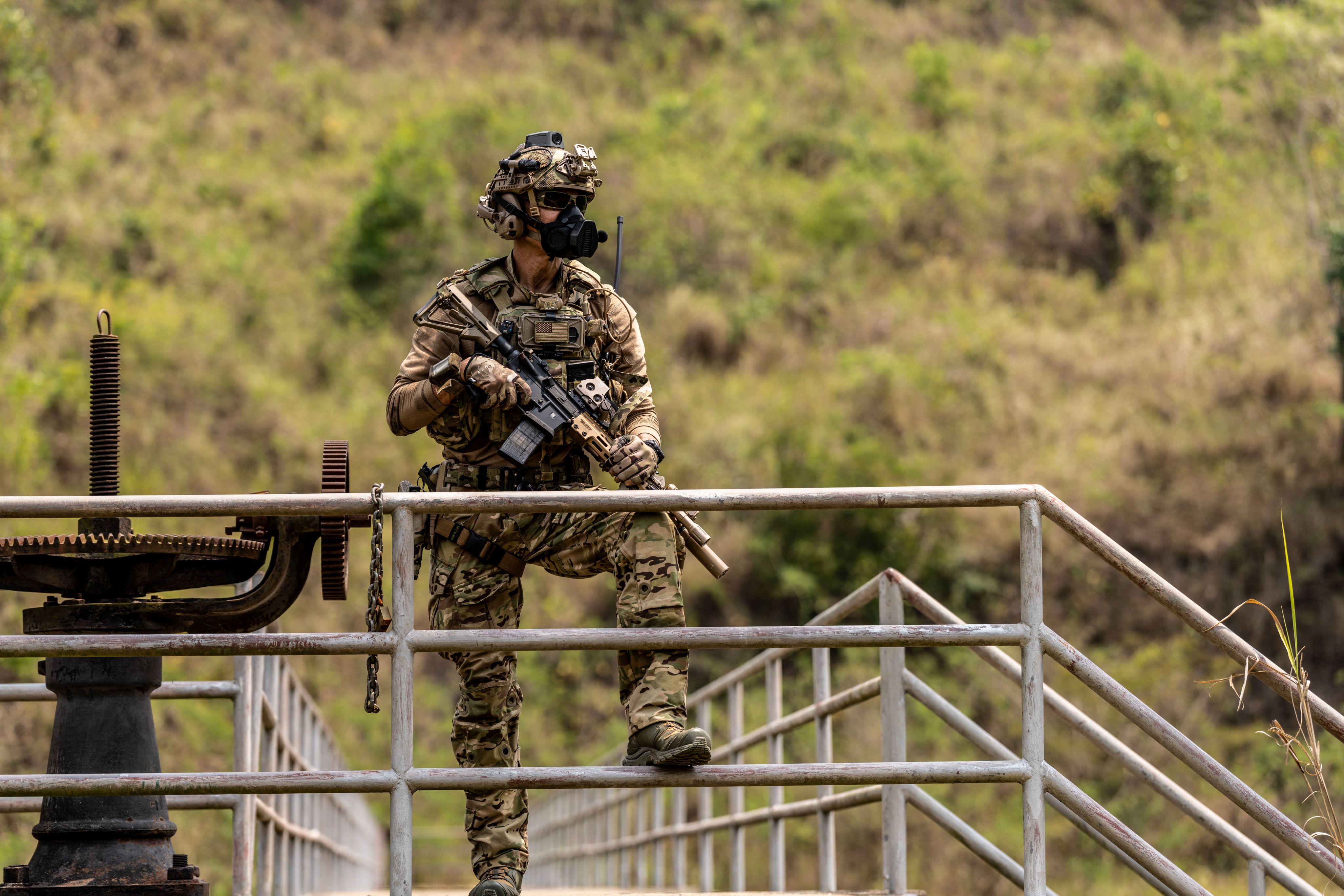
Defence
Defence
- Defence & Command Facilities
- Critical National Infrastructure (CNI)
- Secure & Hardened Assets
- Border, Coastal & Strategic Installations

Infrastructure
Infrastructure
- Data Centres & Digital Infrastructure
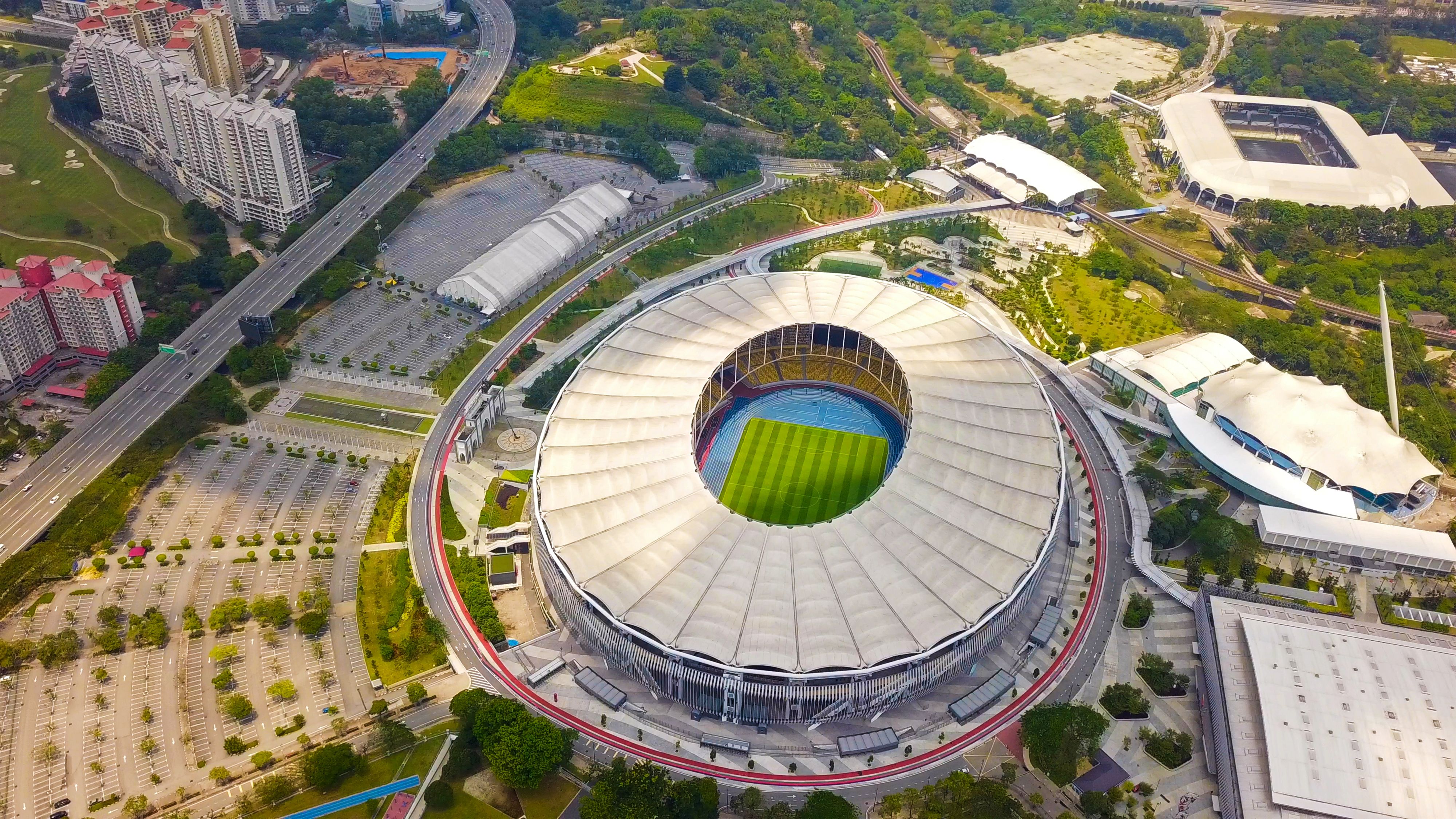
- Public Venues & Stadia
- Cultural & Institutional Buildings
- Government & Diplomatic Facilities
Commercial/Mixed-Use
Commercial/Mixed-Use
- Hospitality & Leisure
- Financial & Commercial Buildings
- Mixed-Use Landmark Developments



Inputs for Specifying Secure Vault Enclosure Systems
Use the project brief and coordinated drawings to confirm the following inputs before detailed selection.
Threat assessment and security brief
Provide the threat assessment, protected asset type, security brief and required access restrictions.
Vault size and supporting structure
Confirm the enclosure dimensions, floor, wall and roof interfaces, and the capacity of the supporting structure.
Door, access and operational workflow
Define door positions, authorised access, monitoring needs and the operational movement of assets or records.
Services, monitoring and environmental control
Identify service entries, monitoring systems and environmental-control requirements that must pass through or connect to the enclosure.
Frequently Asked Questions About Secure Vault Enclosure Systems
Answers to common selection, coordination and evidence questions.
Begin with the security brief, asset risk, enclosure dimensions, access arrangements, supporting structure, services and operational procedures. Clear drawings and acceptance criteria help the technical team assess an appropriate configuration without assuming that one arrangement suits every project.
Review walls, roof, floor, door set, locks, access control, service entries and adjoining construction. These details form part of the installed system and should be resolved before fabrication or installation.
Review system and engineering evidence applicable to the proposed enclosure, access points and resistance requirement. The evidence should match the proposed materials, dimensions, orientation and interfaces rather than being treated as a general approval for every use.
It may be considered for critical assets, records, valuables and controlled spaces requiring a defined secure enclosure. Final suitability depends on the project brief, site conditions and supporting technical evidence.
Retrofit use may be possible after the existing structure, available space, access and interfaces have been surveyed. The proposed arrangement must then be checked against the project requirement and the evidence available for that configuration.
Provide relevant drawings, the security brief, asset risk, enclosure dimensions, access arrangements, supporting structure, services and operational procedures, along with programme constraints and the documentation required for review. This helps define the scope and identify any information that must be confirmed by the project team.