

Why GRP Moulded & Pultruded Grating Systems Matter
Industrial environments demand flooring solutions that resist corrosion, chemicals, and heavy loads. Conventional steel gratings deteriorate rapidly, increasing maintenance costs and compromising structural safety. Our GRP grating systems are engineered for long-term performance, offering corrosion resistance, high load capacity, anti-slip surfaces, and full compliance with safety standards. Without the right grating system:
What is GRP Moulded & Pultruded Grating
A STRUCTURA GRP grating system is an engineered composite designed to withstand corrosion, chemical exposure, and heavy loads, maintaining structural integrity and safety across demanding industrial environments.

Corrosion Resistance
Engineered to withstand chemical, moisture, and marine exposure while maintaining full structural integrity.

High Load Capacity
Supports heavy mechanical and dynamic loads across industrial walkways, platforms, and flooring systems.

Impact Resistance
Maintains strength and form under mechanical impact and heavy operational loads.

Anti-Slip Performance
Provides reliable slip resistance on walkways and platforms to support safe personnel movement.

Smoke & Gas Isolation
Helps contain smoke and hazardous gases to support safer evacuation routes.

How the System Protects Your Facility
Invicta ANARA integrates three connected capabilities – engineering, certified manufacturing, and technical installation – that help reduce compatibility risks throughout the project lifecycle. Grating systems are designed, tested and installed to a unified quality standard, enabling full traceability from material selection through to on-site performance. All systems are engineered to meet relevant load, safety, and environmental standards.
Advanced composite construction resists exposure to acids, alkalis, and moisture, maintaining structural integrity in chemical processing and marine and industrial environments.
Engineered to support heavy mechanical and dynamic loads on walkways, platforms, and flooring systems without deformation or failure.
Maintains strength and dimensional stability under repeated mechanical impact and heavy operational loads across demanding site conditions.
Provides consistent slip resistance on elevated walkways and working platforms, supporting safe personnel movement in wet or oily conditions.
Low self-weight and modular panel formats reduce installation time and structural support requirements, making the system suitable for retrofit and new build applications.
Performance & Technical Specifications
Fire & Thermal Protection
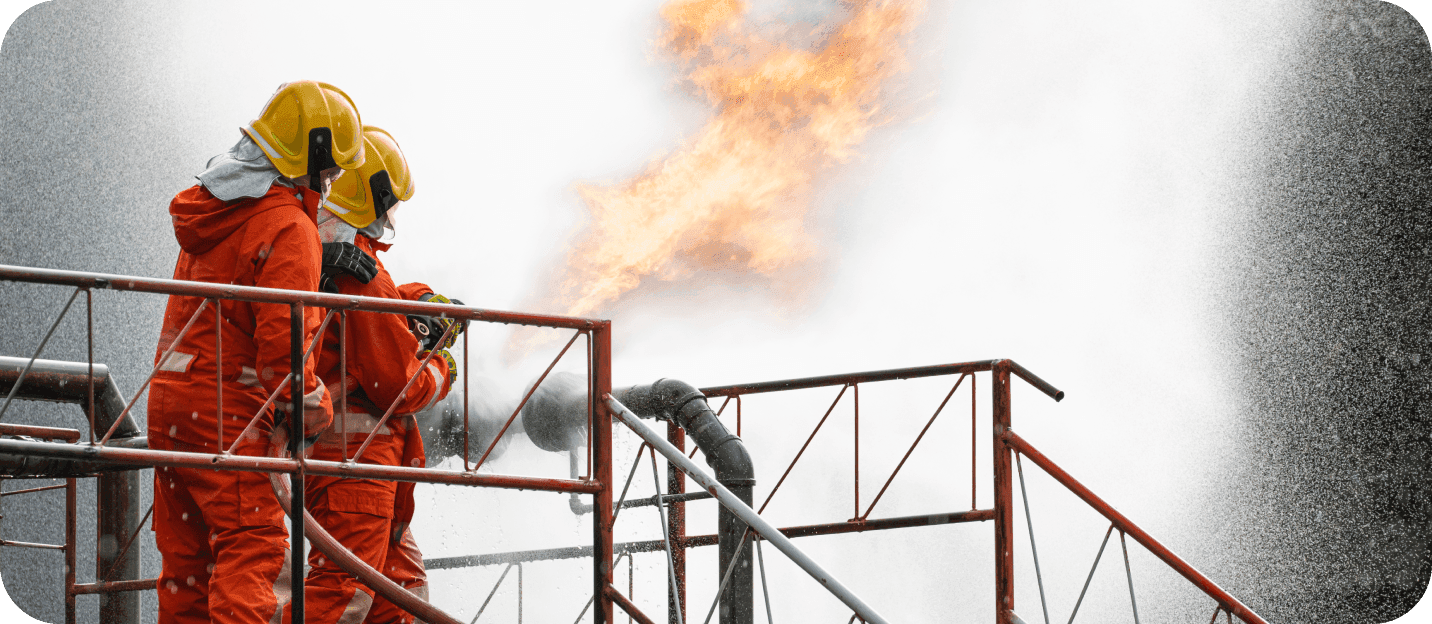
EI 120–240 min fire resistance (standard & high-heat variants).
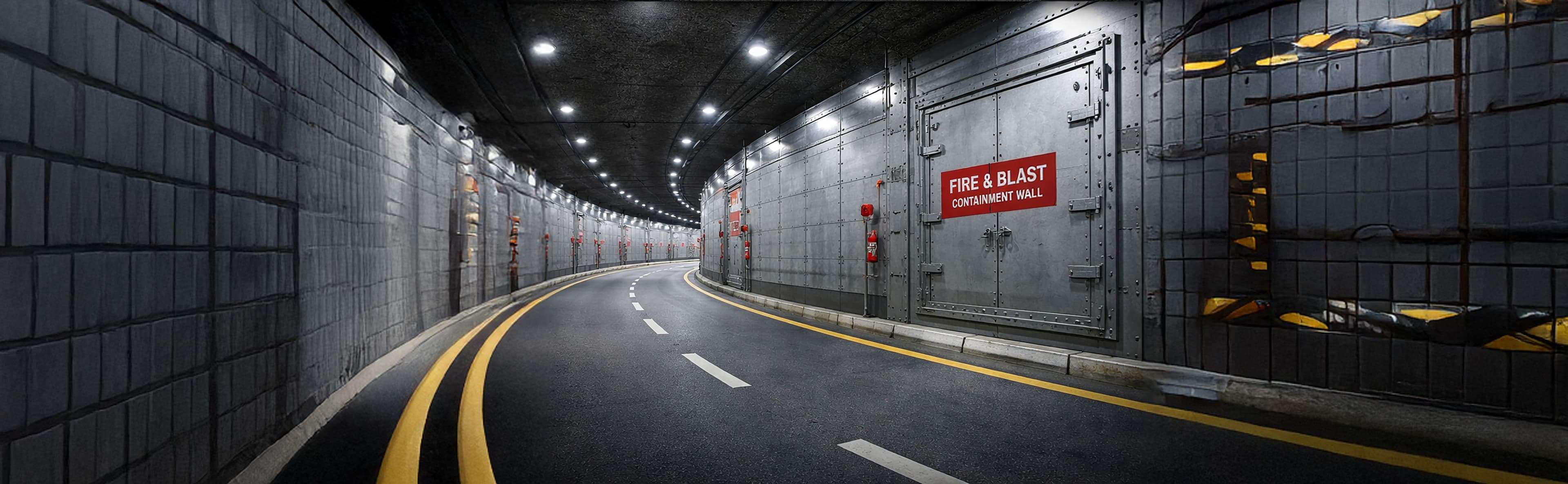
Compatible with HC, RWS, and tunnel fire curves.
Prevents concrete spalling and protects steel reinforcement under extreme heat.

Smoke & Gas Containment
Fully sealed system blocks smoke, toxic gases, and hot fire-gases.
Enables safer evacuation and rescue paths.
No hazardous post-event debris or collapse.
Blast & Impact Resistance
Engineered to withstand high overpressure events.
Maintains structural integrity after combined fire + blast scenarios.
No hazardous post-event debris or collapse.
Materials & Construction
Non-combustible, moisture- and corrosion-resistant composite system.
Lightweight vs concrete; fast installation and easier maintenance.
Modular panels fit new builds, retrofits, and complex tunnel geometries.
Advantages Over ConventionalTunnel Protection Methods
Traditional Methods
Concrete or plain-lining risk of spalling, reinforcement failure, structural collapse under fire/heat.
Spray-applied fireproofing / fire boards / mortars may require frequent maintenance, have limited durability, may degrade upon moisture or impact
Passive fire barriers only (fire partitions, boards) limited or no blast, impact, debris, or smoke/gas protection.
Heavy & bulky steel/concrete barriers are difficult, high-cost and have long downtime for retrofit/repair.
SECURA Tunnel Wall Benefits
The composite barrier prevents spalling, maintains integrity, protects reinforcement & structure under extreme fire or blast.
Durable, moisture-resistant, corrosion-proof composite system — long lifecycle, low maintenance, high resilience.
Multi-hazard protection (fire, blast, impact, smoke/gas, thermal, acoustic), enabling comprehensive risk mitigation.
Lightweight modular panels — faster installation, retrofit friendly, minimal disruption to tunnel operations.
Sectors We Serve
Our solutions are designed for sectors where infrastructure reliability, safety, and long-term performance are critical.
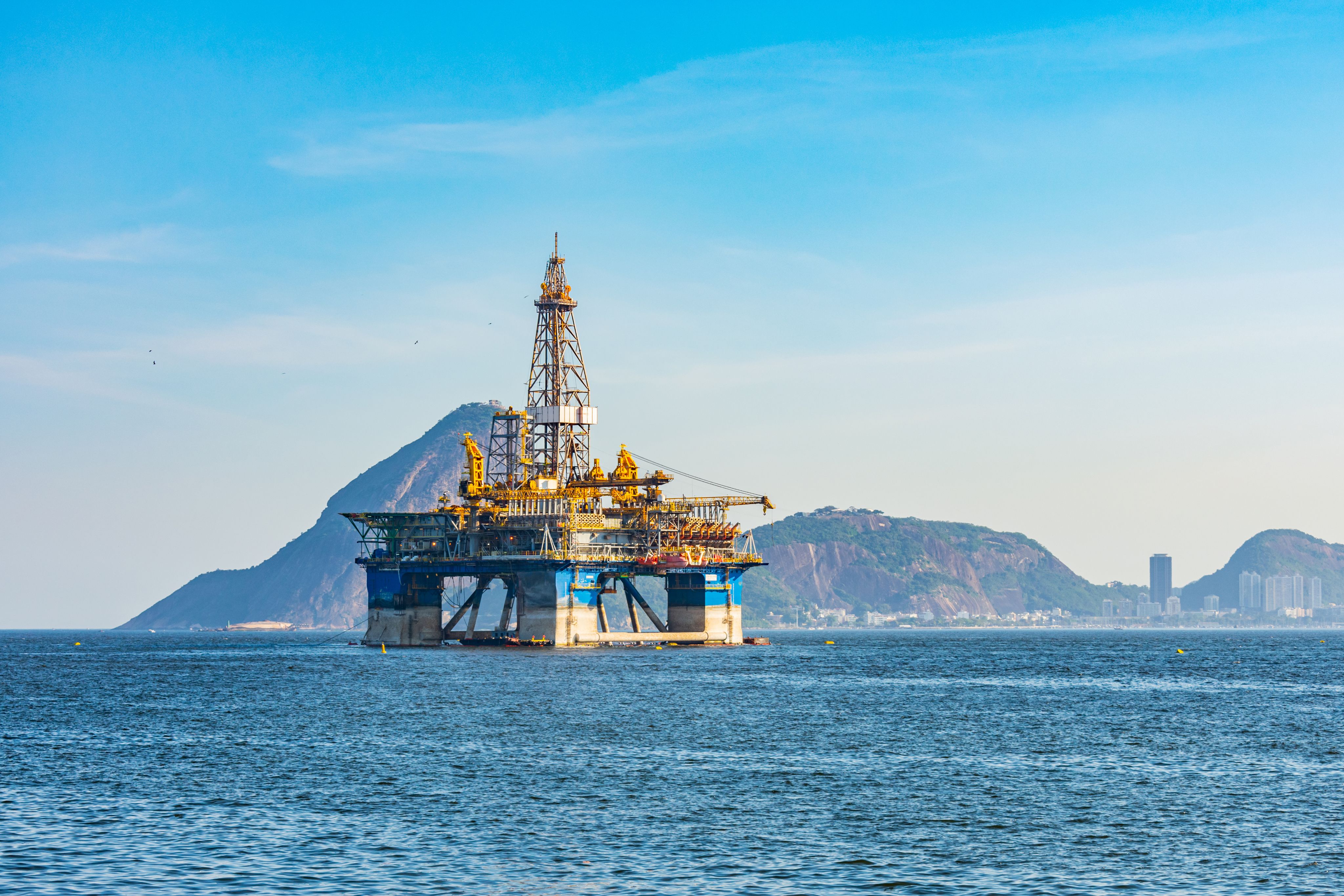
Energy & Utilities

Energy & Utilities
- Power & Grid Infrastructure
- Energy & Process Facilities
- Onshore & Offshore Assets
- Renewable Energy Infrastructure
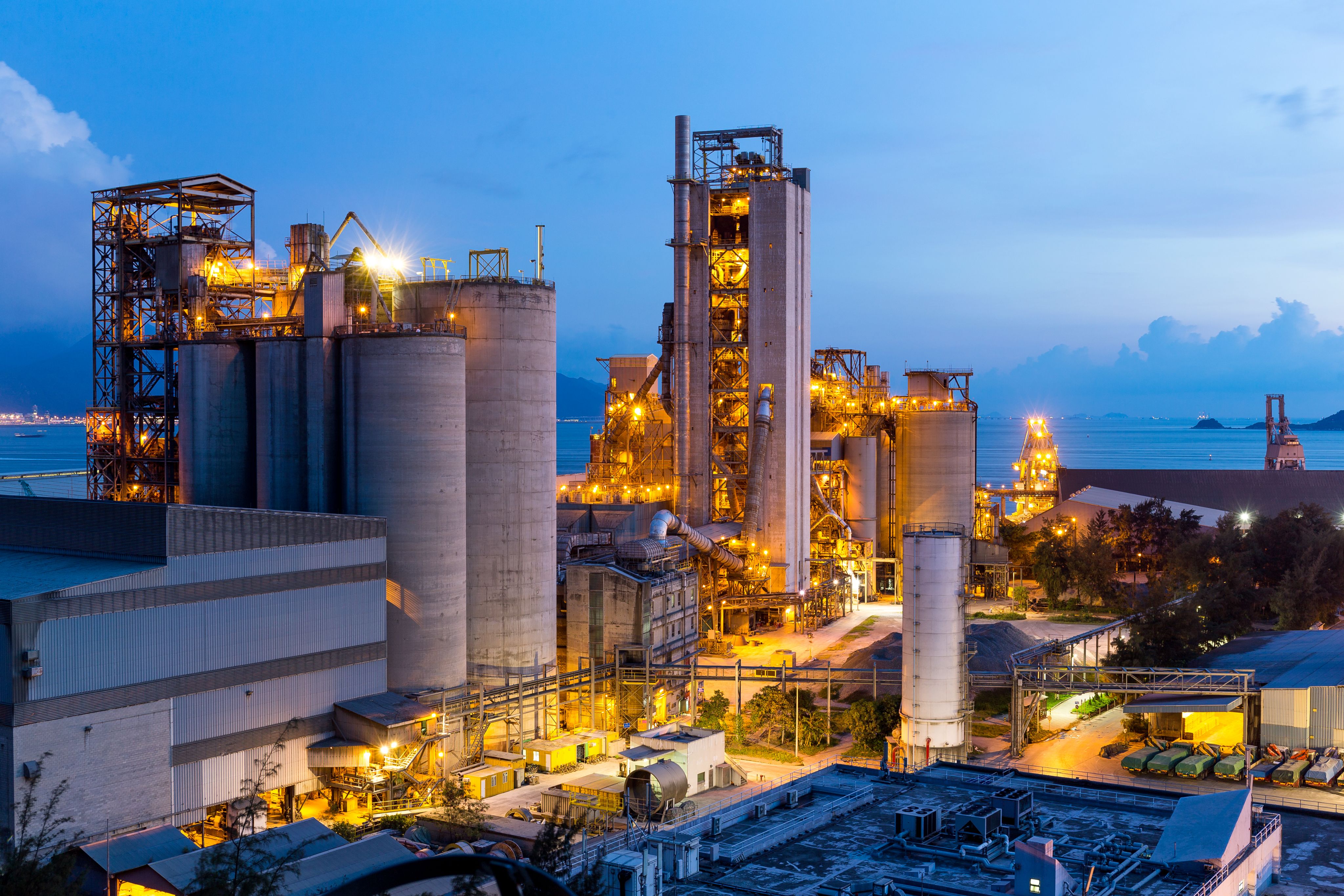
Industrial
Industrial
- Chemical & Process Plants
- Manufacturing & Heavy Industry
- Hazardous Material storage facilities
- Automotive & Industrial Campuses

Transportation
Transportation
- Airports & Aviation Facilities
- Metro, Rail & Mass Transit Systems
- Roads, Highways & Vehicular Tunnels
- Ports, Shipyards & Marine Transport Infrastructure

Defence
Defence
- Defence & Command Facilities
- Critical National Infrastructure (CNI)
- Secure & Hardened Assets
- Border, Coastal & Strategic Installations

Infrastructure
Infrastructure
- Data Centres & Digital Infrastructure
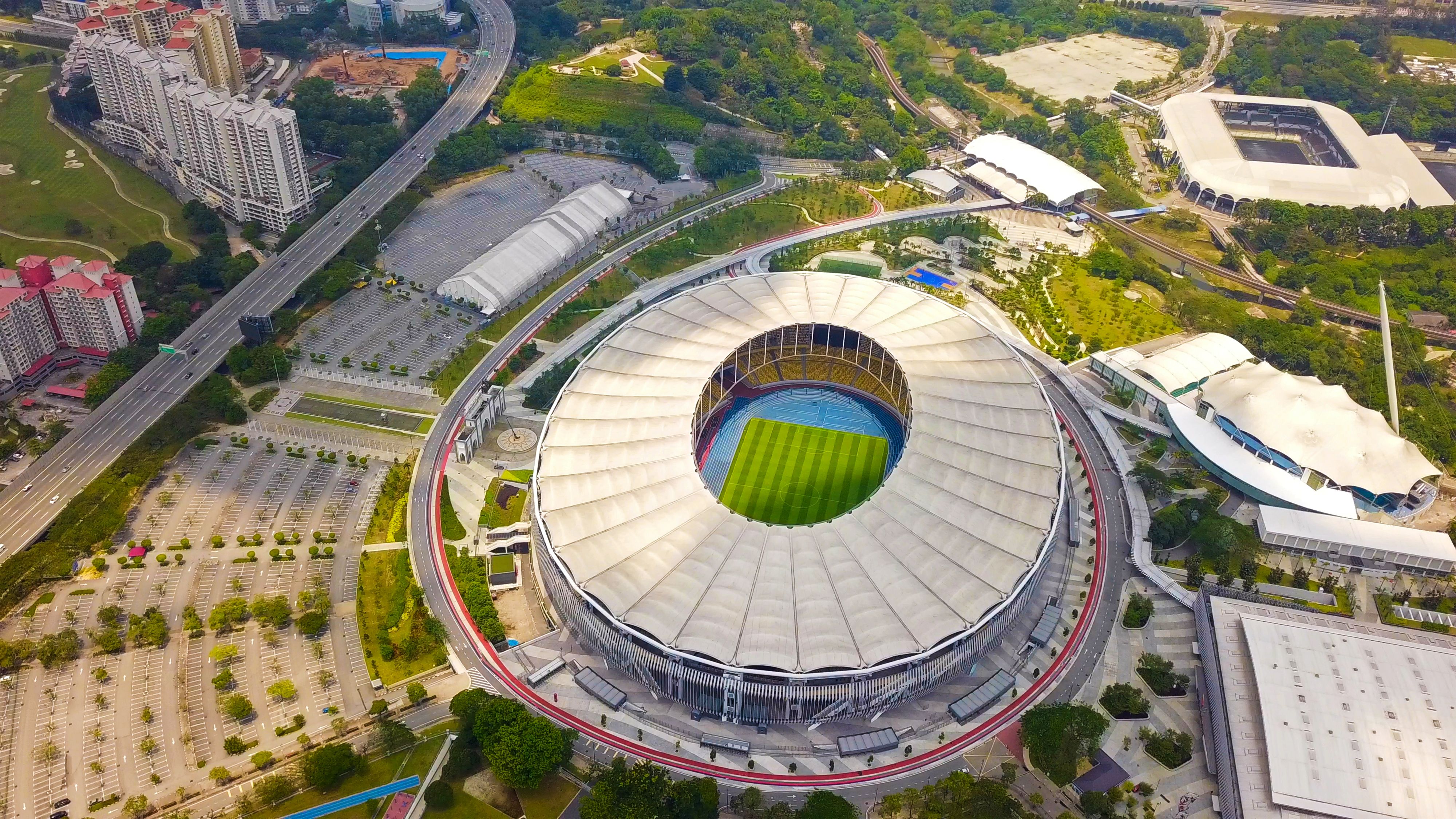
- Public Venues & Stadia
- Cultural & Institutional Buildings
- Government & Diplomatic Facilities
Commercial/Mixed-Use
Commercial/Mixed-Use
- Hospitality & Leisure
- Financial & Commercial Buildings
- Mixed-Use Landmark Developments



Inputs for Specifying GRP Moulded and Pultruded Grating Systems
Use the project brief and coordinated drawings to confirm the following inputs before detailed selection.
Clear span and support orientation
Confirm the clear span, support spacing and load bearing direction for the selected grating type.
Loading and deflection criteria
Provide the imposed loads and project deflection criteria required for selection from applicable product data.
Open-area and drainage needs
Define mesh, open area, drainage and any requirements affecting objects passing through the grating.
Slip, chemical and environmental exposure
Record slip, chemical, moisture, UV and other environmental exposure conditions relevant to material selection.
Frequently Asked Questions About GRP Moulded and Pultruded Grating Systems
Answers to common selection, coordination and evidence questions.
Begin with clear span, load duty, deflection criteria, panel size, mesh, slip requirements, resin selection and exposure conditions. Clear drawings and acceptance criteria help the technical team assess an appropriate configuration without assuming that one arrangement suits every project.
Review supporting members, bearing, clips, cut-outs, kick plates, handrails and adjacent flooring. These details form part of the installed system and should be resolved before fabrication or installation.
Review product data, load and span tables, resin information and fixing details for the selected grating type. The evidence should match the proposed materials, dimensions, orientation and interfaces rather than being treated as a general approval for every use.
They may be considered for industrial floors, walkways, trenches, platforms and maintenance access zones. Final suitability depends on the project brief, site conditions and supporting technical evidence.
Retrofit use may be possible after the existing structure, available space, access and interfaces have been surveyed. The proposed arrangement must then be checked against the project requirement and the evidence available for that configuration.
Provide relevant drawings, clear span, load duty, deflection criteria, panel size, mesh, slip requirements, resin selection and exposure conditions, along with programme constraints and the documentation required for review. This helps define the scope and identify any information that must be confirmed by the project team.