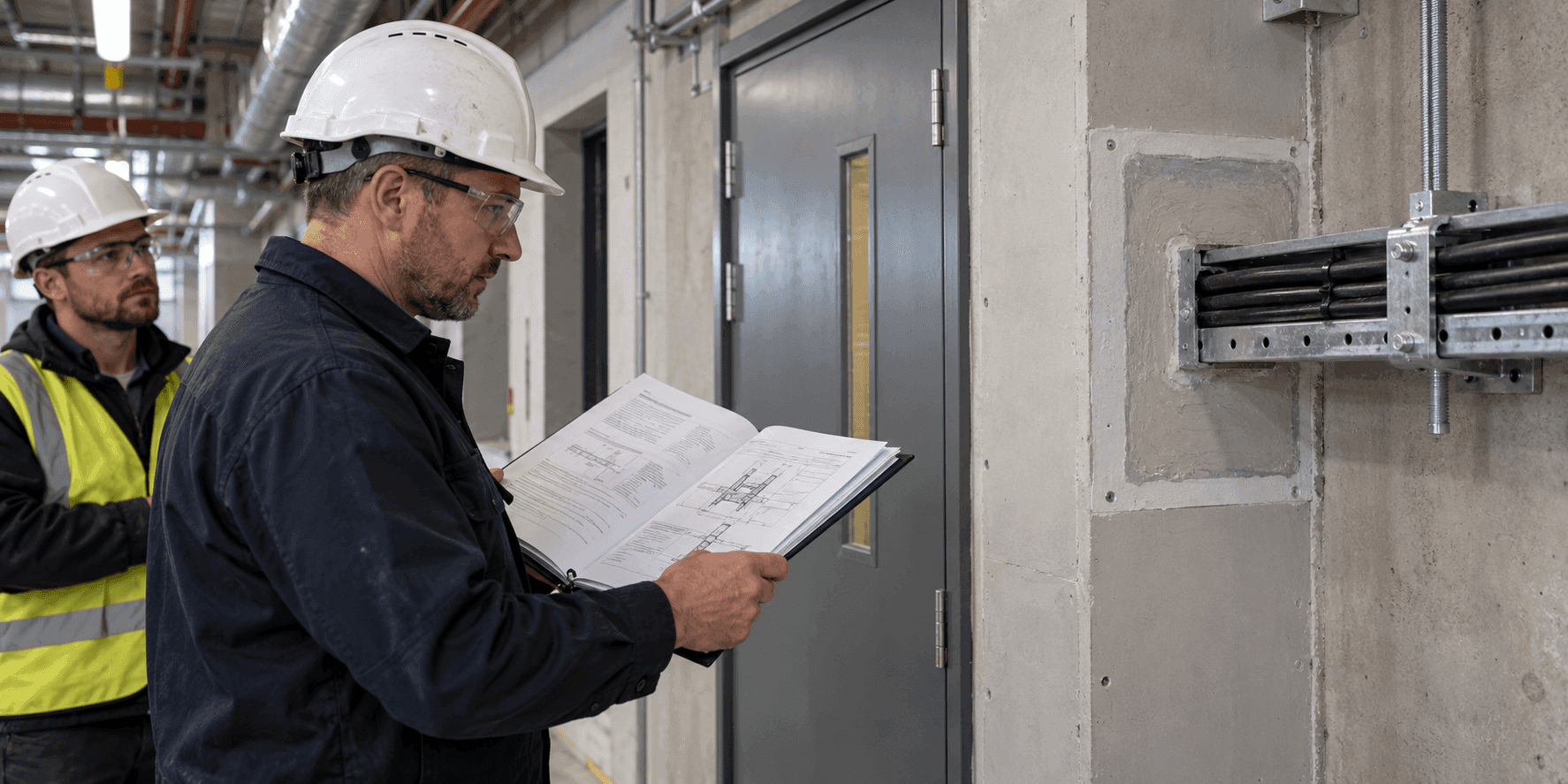
What Is Hydrocarbon Fire Protection?
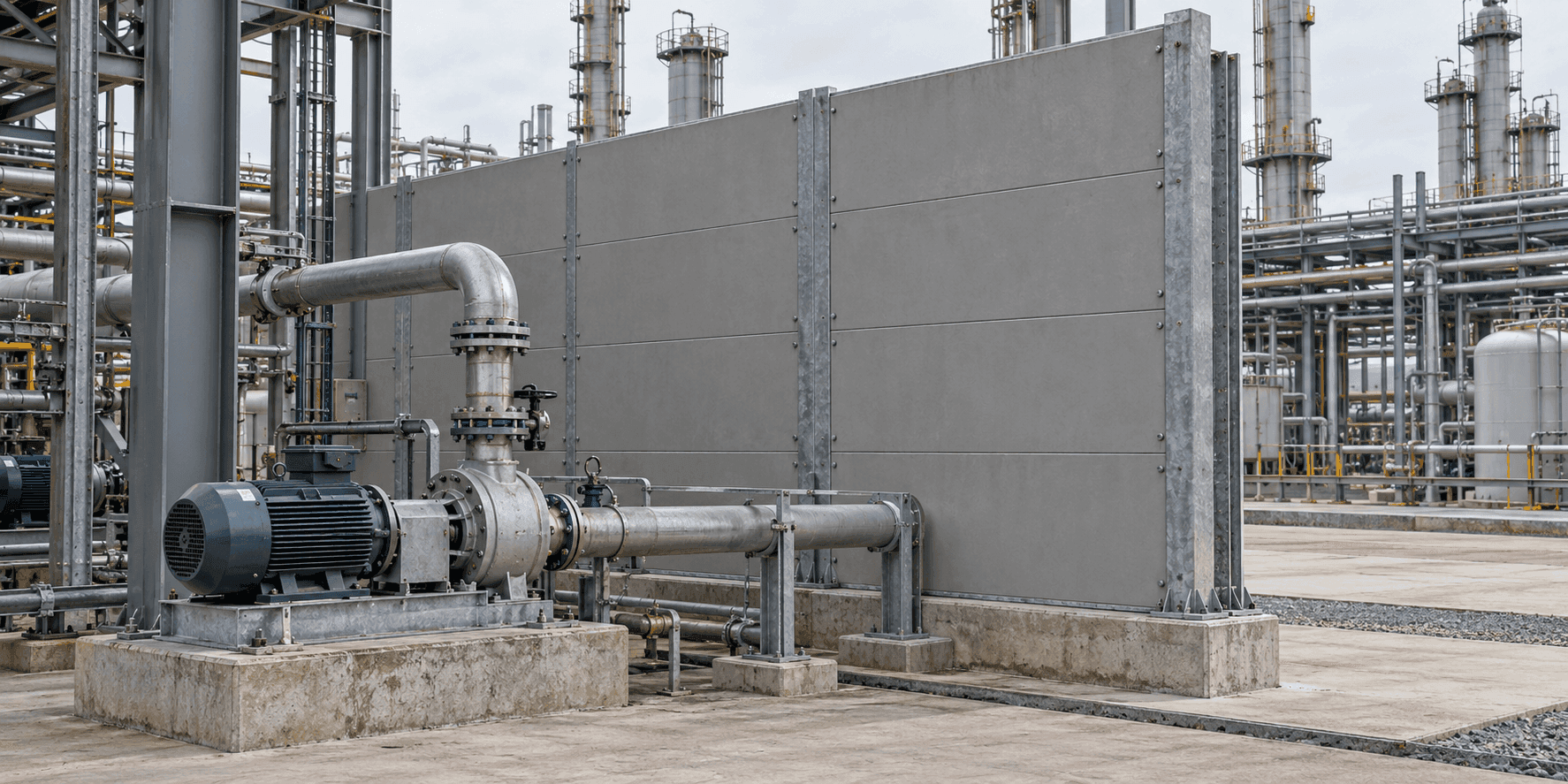
What Is Hydrocarbon Fire Protection?
A fuel release beneath a pipe rack and an ignited leak from pressurised equipment can expose nearby assets in different ways. Both involve hydrocarbons, but the protection needed cannot be selected from the fuel description alone.
Hydrocarbon fire protection comprises measures designed to address fires involving hydrocarbon fuels under defined conditions. Passive systems can protect structures, separate equipment or reduce exposure to critical assets. Their suitability depends on the credible fire scenario, the consequences of failure and evidence covering the proposed installation.
Define the Scenario Before the Protection
Hydrocarbon fuels include oils, gases and process liquids found across energy, manufacturing and transport facilities. Their release conditions influence how a fire develops.
A liquid release may accumulate and burn as a pool fire. A pressurised release may ignite as a jet fire, creating concentrated flame impingement and mechanical effects.
Location, release rate, drainage, ventilation and isolation arrangements affect the exposure. Equipment geometry and proximity determine which assets could be threatened.
The design brief should establish these conditions before specifying hydrocarbon fire protection systems. A general requirement for a particular duration leaves important engineering questions unanswered.
Identify What Must Be Protected
The protected asset might be a structural support, vessel support, valve, cable route, control area or separating barrier. Each has a different protective duty.
For structural elements, the objective may be to delay heating sufficiently to maintain the required loadbearing performance. For a barrier, integrity, insulation or radiation criteria may apply.
Equipment protection needs equally clear limits. Maintaining an enclosure boundary does not automatically demonstrate that the equipment inside remains operational.
Ask what happens if the asset fails. The consequence could include collapse, loss of containment, failure to isolate a release or exposure of adjacent equipment. That assessment helps determine where protection is needed and what it must achieve.
Understand the Evidence Behind the Claim
Standard hydrocarbon heating typically rises more rapidly than standard cellulosic heating. However, temperature rise is only part of the comparison.
A rapid-rise furnace exposure does not automatically demonstrate resistance to the erosive effects of a jet fire. Where jet-fire exposure is credible, the evidence must address the relevant duty.
Test results also relate to defined specimens and conditions. Substrate, geometry, protection thickness, joints, fixings and orientation can affect applicability.
A system described as “hydrocarbon-rated” therefore requires supporting documentation identifying the exposure, performance criteria and configuration covered. Procurement should compare those details rather than relying on the rating label.
Separate Fire Protection From Blast Resistance
An incident involving hydrocarbons can create more than one hazard. A project may need to consider fire, explosion loading, fragmentation or a defined sequence of events.
These actions require distinct verification. Fire-resistance evidence does not establish resistance to blast pressure and impulse.
Where hydrocarbon blast protection is required, its design basis must be coordinated with the fire-protection arrangement. Supports and connections may need to satisfy both sets of requirements.
The specification should explain which hazards apply and whether combined or sequential performance needs assessment. One successful test should not be treated as proof of unrelated capabilities.
Design Around the Operating Facility
Protection must fit around equipment, services and access routes while preserving its intended function. Doors, removable sections and penetrations need supported details.
For hydrocarbon blast resistant walls, the layout must follow the assessed hazards and required barrier duty. Height, length, supports and adjacent openings influence the arrangement.
Maintenance access also deserves attention. A barrier that prevents equipment removal may encourage later modifications unless access has been planned.
The engineering team should resolve these interfaces before fabrication, with responsibility assigned for reviewing changes and reinstating protective construction.
Consider Condition Before Fire Exposure
Outdoor and industrial environments can expose protection to moisture, salt, chemicals, vibration and mechanical damage. Deterioration can affect materials, attachments and supporting construction.
Fire-test evidence does not automatically establish environmental durability. Check suitability for the expected service conditions and identify inspection and repair requirements.
Coatings, sealants and other incorporated materials need compatibility with the protective system. Unreviewed repairs can change the arrangement supporting the original claim.
Inspection access should be practical, especially around concealed connections and locations vulnerable to damage.
Specify a Traceable Protective Arrangement
A useful specification connects five decisions: the credible fire, the protected asset, the consequence of failure, the required performance and the applicable evidence.
It should then define installation details, inspections and change controls. Handover records need to identify the installed configuration and maintenance requirements.
Hydrocarbon fire protection becomes an engineered solution when those decisions align. The aim is protection suited to the actual exposure and asset duty, maintained in a condition that preserves its intended performance throughout operation.