Layered Physical Security for Critical Infrastructure
Layered Physical Security for Critical Infrastructure
A critical facility can have a substantial perimeter fence, controlled entrances and reinforced doors yet still contain gaps between those measures. An alarm may activate too late, a service opening may bypass a protected boundary, or maintenance access may leave an important layer unavailable.
Layered physical security addresses these relationships. It combines protective measures around an asset so that deterrence, detection, delay and response support a defined security objective.
For engineers, the task is to design how those layers work together under credible operating and incident conditions.
Start With the Asset and Consequence of Loss
Identify what the facility must protect before selecting barriers or hardware.
A control room, communications node, electrical supply and hazardous process area may require different treatment. Their importance depends on the consequences of interference, including harm to personnel, interruption of essential services or loss of operational control.
Define the credible threats and the functions that must remain available. Then establish the operational requirements for each protected area.
This provides a basis for coordinating security systems, rather than distributing equipment uniformly across a site regardless of risk.
Give Every Layer a Defined Function
A layer may deter hostile activity, detect an intrusion attempt, delay progress or support intervention. Several measures may contribute to the same function, but their contribution should be explicit.
NPSA describes layered protection for critical sites through early detection and physical delay that enables response before loss. NPSA This makes the relationship between measures more useful than their individual prominence.
For example, a perimeter sensor provides limited operational value unless an alarm can be assessed and acted upon. A resistant internal door provides useful delay only when its location and operating condition support the response plan.
Document where detection occurs, who assesses the event and what action follows.
Coordinate the Perimeter, Building and Internal Zones
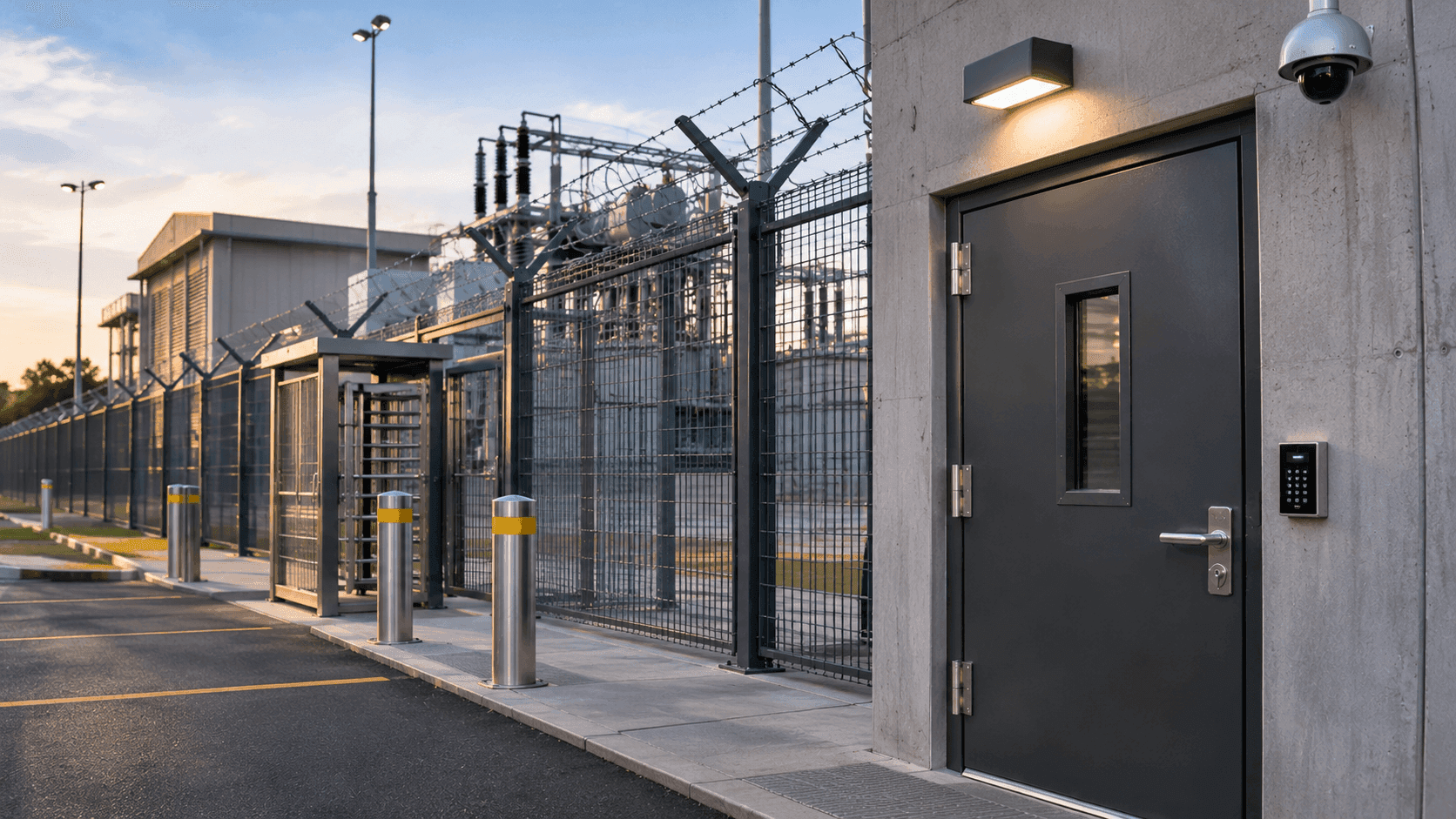
The perimeter establishes an outer boundary, but critical assets may need further protection within the site and building.
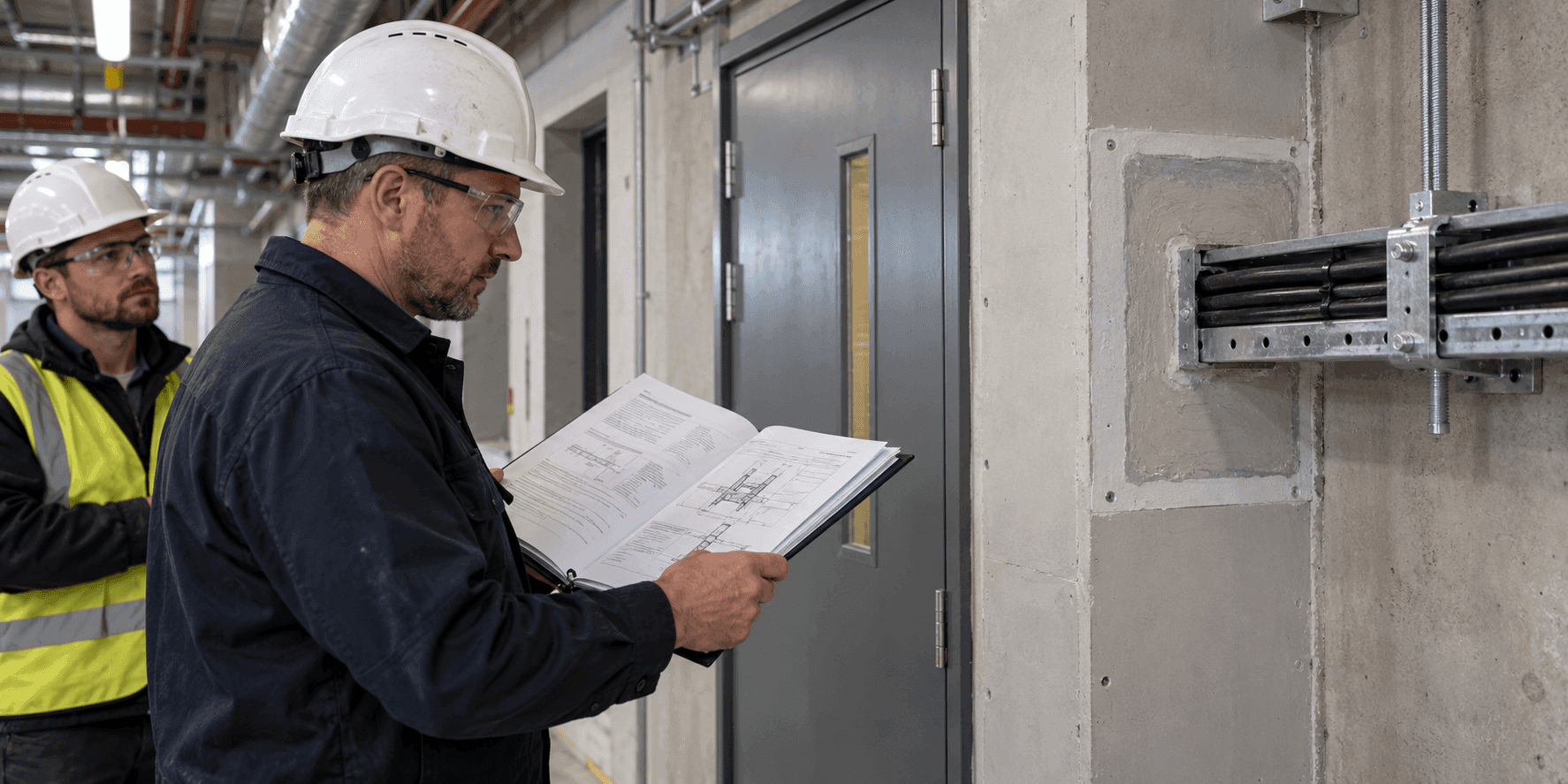
Review pedestrian entrances, deliveries, maintenance access and emergency routes alongside fences and gates. At the building envelope, consider doors, glazing, service openings and accessible roof or façade interfaces.
Internal zones can restrict onward access to sensitive equipment or occupied areas. Where forced-entry resistance is required, specify evidence appropriate to the identified threat and installed assembly.
Avoid assuming that successive rated barriers provide a simple cumulative delay. Their contribution depends on the route, detection point, attack conditions and whether each barrier is secured when needed.
Match Each Protective Measure to Its Threat
Different threats require different performance evidence.
A forced-entry rating does not establish ballistic resistance. Similarly, an intrusion-resistant wall should not be assumed to provide blast protection.
Where personnel or equipment need ballistic protection systems, define the projectile threat and assess continuity across walls, doors, glazing and junctions.
Where the risk assessment identifies an explosive threat, anti-terrorist blast walls require defined loading and acceptance criteria, suitable supports and coordinated interfaces.
These measures become useful layers when their purpose, limitations and relationship to the protected asset are understood.
Examine Dependencies Between Layers
Several apparently separate measures may rely on one power supply, communications route or control room. A shared dependency can affect multiple layers simultaneously.
Review what happens during power loss, equipment faults, maintenance and changes in occupancy. Establish the intended behaviour of access-controlled openings and how authorised personnel retain necessary access.
Emergency escape requirements also need coordination. Lockdown arrangements, fire-alarm responses and door-release functions should have a documented operating sequence.
Responsibility should be clear across security, fire engineering, building services and operations. Conflicting instructions often emerge at these interfaces rather than within an individual product specification.