
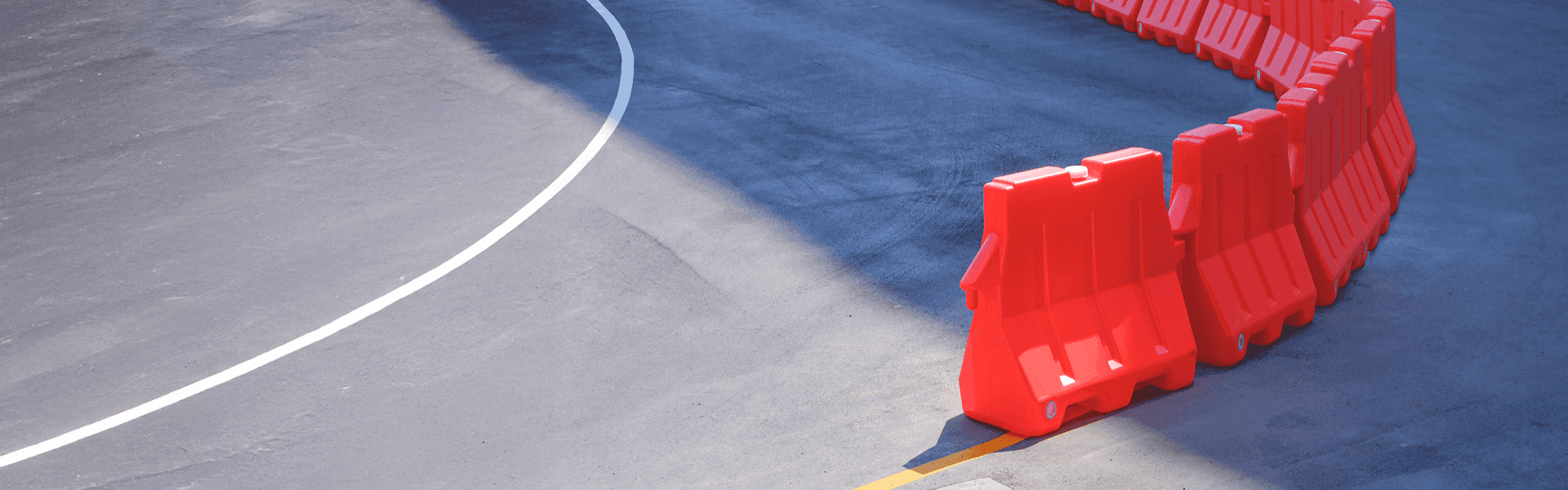
GRP Hardrails for Safety & Perimeter Protection
Glass-reinforced plastic (GRP) handrail systems for industrial platforms, walkways and access routes, coordinated around guarding, support and fixing requirements.

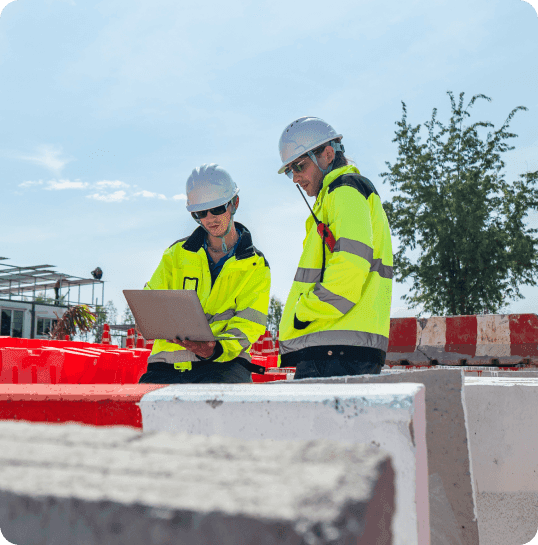
GRP Hardrail Systems
Industrial facilities, warehouses, and commercial sites require strong perimeter control to prevent accidents and protect critical assets. Hardrails provide a durable physical barrier that improves safety, guides movement, and reduces the risk of impact-related damage across high-traffic environments.
Engineered for dependable perimeter safety
Built to withstand impact in demanding areas
Supports safer movement and site organisation
Reduces long-term maintenance and repair needs

Performance and Engineering Capability
- Designed to withstand demanding industrial impact conditions
- Engineered for controlled load transfer and structural stability
- Corrosion-resistant construction for harsh marine and chemical environments
- Low-maintenance barrier solution with long-term durability
- Available in configurations supporting combined safety and perimeter protection needs
Integrated Perimeter Safety Hardrail Systems
Hardrails play a critical role in maintaining safe, controlled movement across industrial and commercial environments. They are designed to separate zones, guide traffic, and reduce impact risks, providing long-term perimeter protection where operational safety and reliability cannot be compromised.

Perimeter Safety & Zone Control
Define clear boundaries to support safer movement and organised site operations.

Impact Protection for Critical Areas
Reduce damage risk around equipment, walkways, and high-traffic work zones.

Pedestrian and Vehicle Guidance
Improve site flow by directing people and vehicles along designated routes.

Durable Performance in Harsh Environments
Built for demanding conditions where long service life is required.
Adaptable Across Multiple Site Layouts
Suitable for warehouses, plants, utilities, and industrial infrastructure settings.
Sectors We Serve
Our solutions are designed for sectors where infrastructure reliability, safety, and long-term performance are critical.

Energy & Utilities

Energy & Utilities
- Power & Grid Infrastructure
- Energy & Process Facilities
- Onshore & Offshore Assets
- Renewable Energy Infrastructure
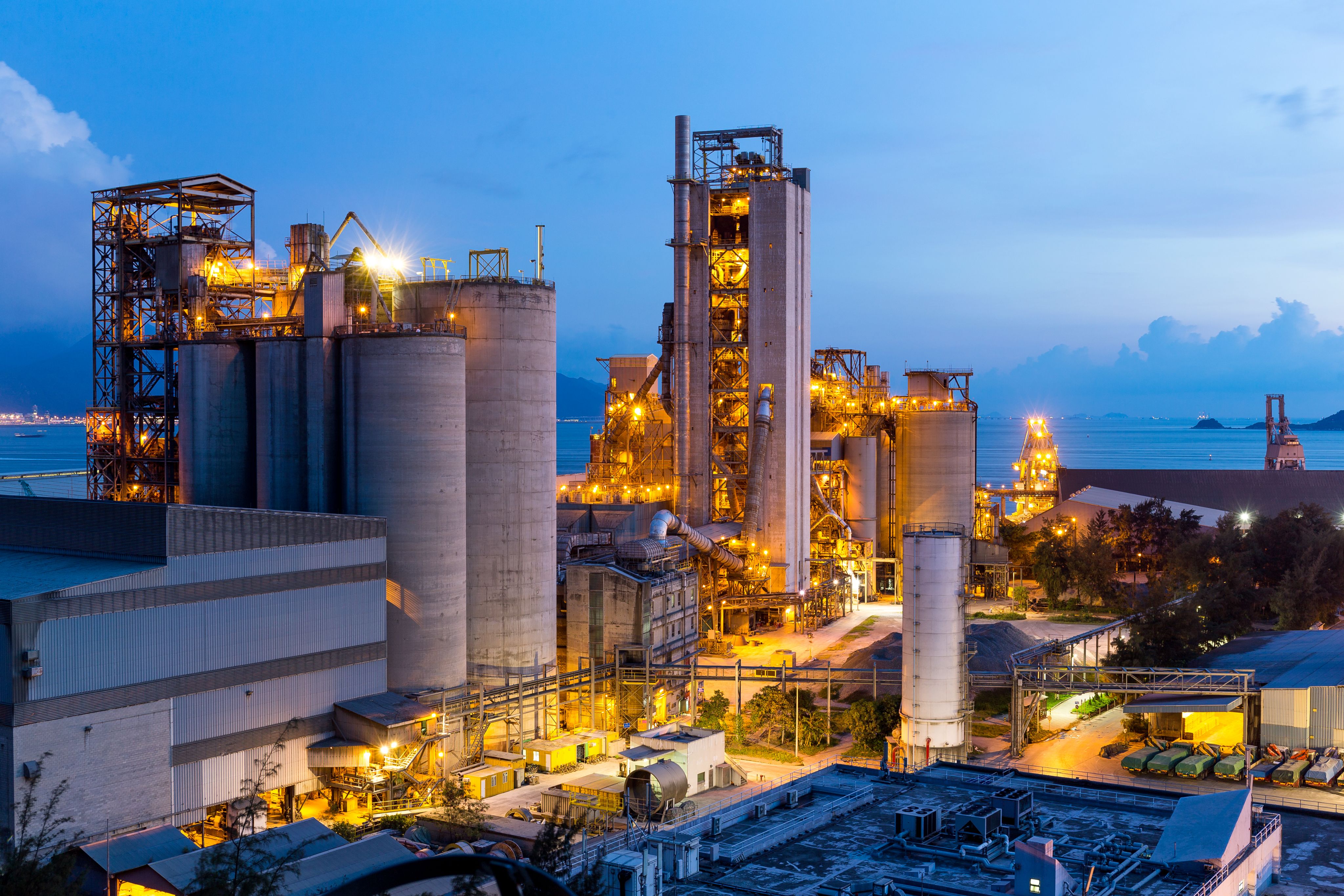
Industrial
Industrial
- Chemical & Process Plants
- Manufacturing & Heavy Industry
- Hazardous Material storage facilities
- Automotive & Industrial Campuses
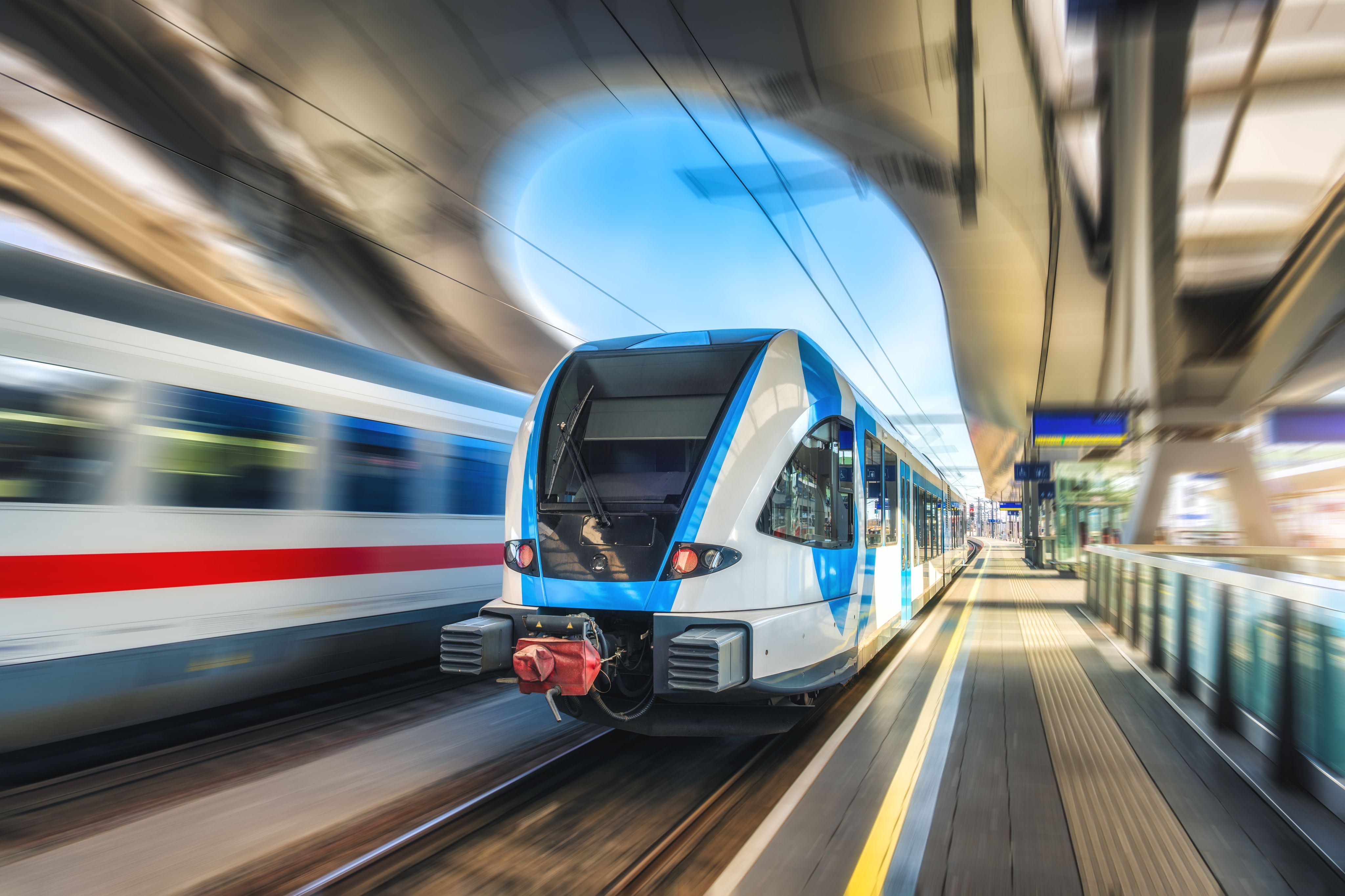
Transportation
Transportation
- Airports & Aviation Infrastructure
- Metro, Rail & Mass Transit
- Roads, Highways & Vehicular Tunnels
- Ports, Shipyards & Marine Transport Infrastructure
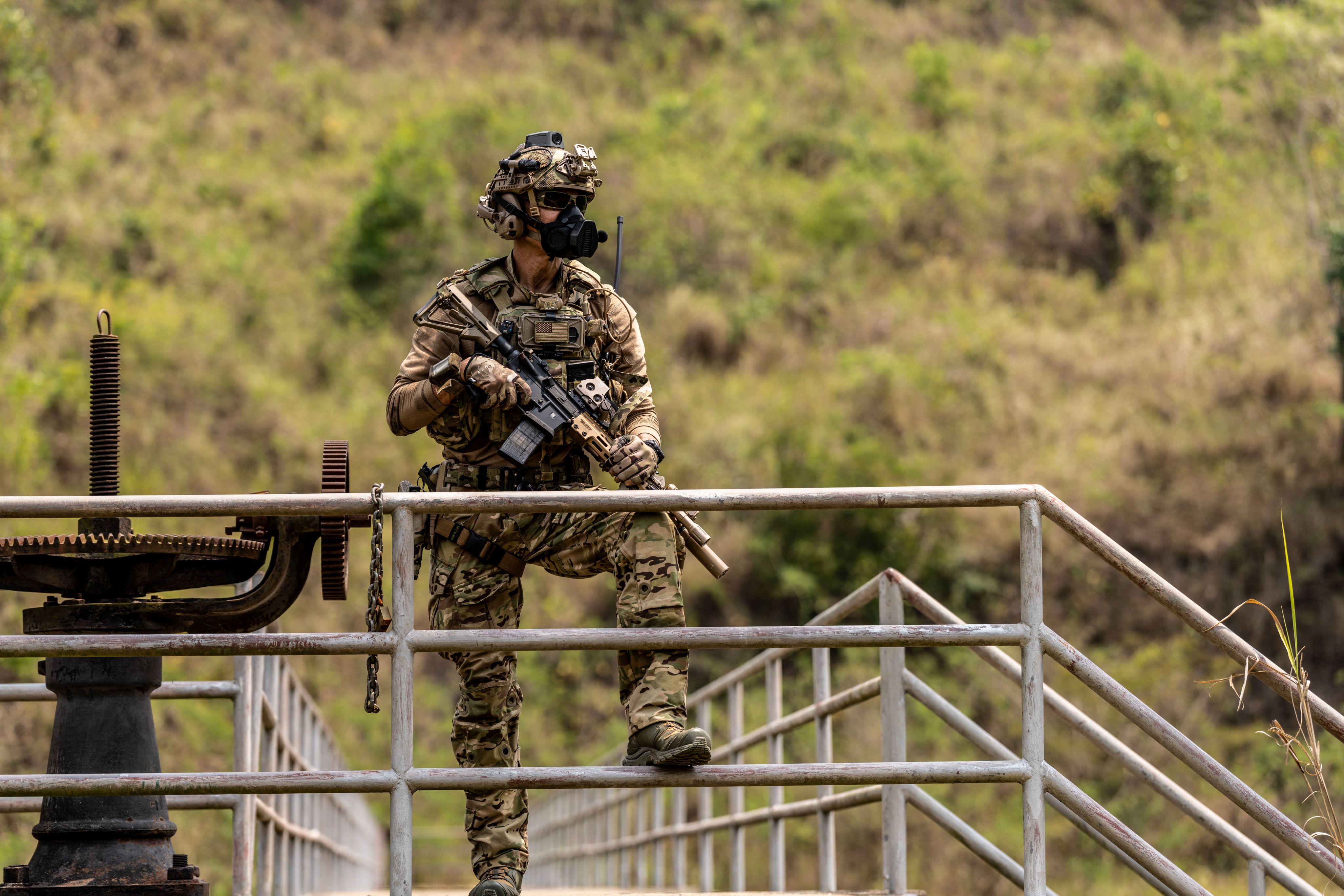
Defence
Defence
- Defence & Command Facilities
- Critical National Infrastructure (CNI)
- Secure & Hardened Assets
- Border, Coastal & Strategic Installations
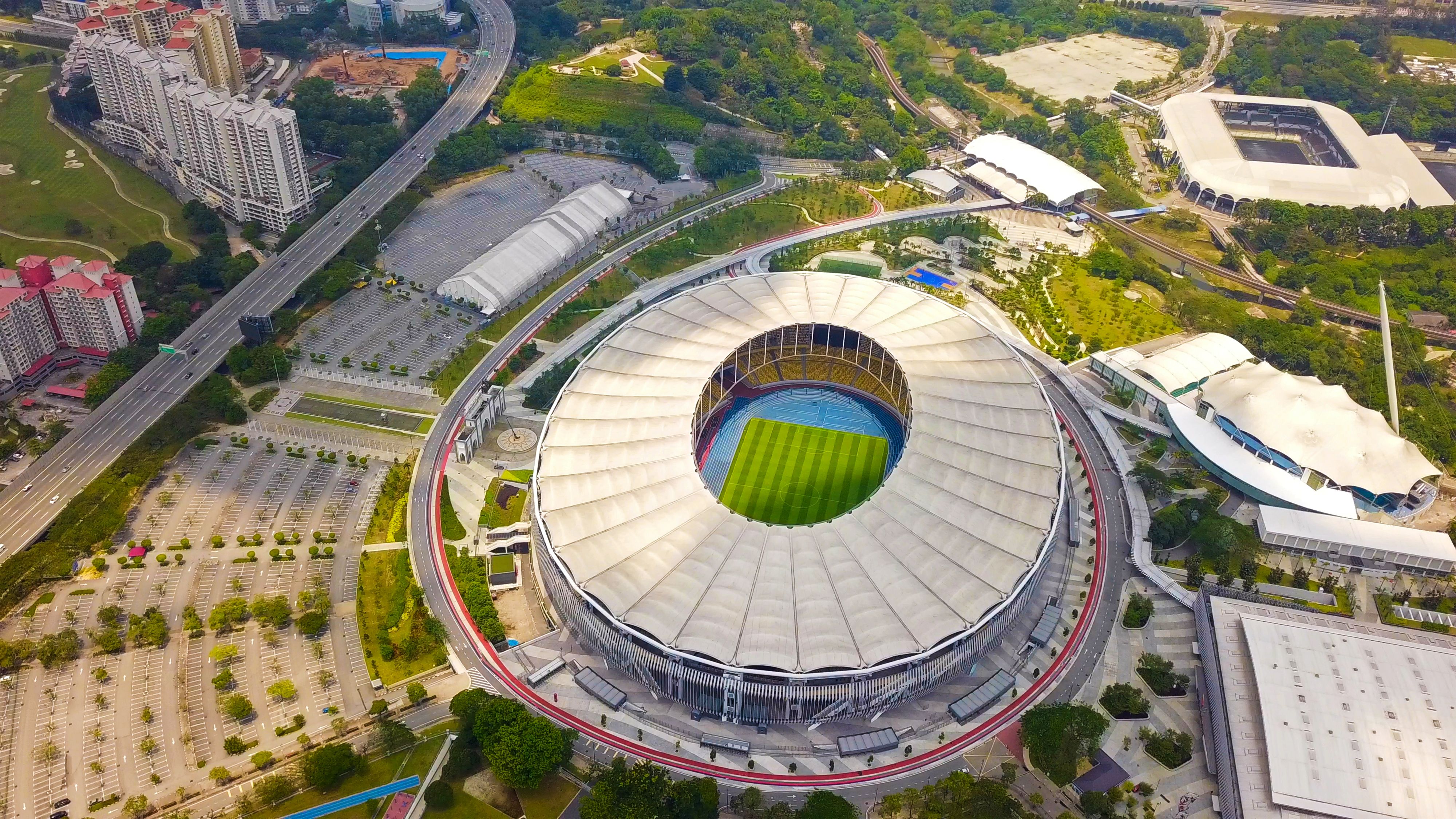
Infrastructure
Infrastructure
- Data Centres & Digital Infrastructure
- Public Venues & Stadia
- Cultural & Institutional Buildings
- Government & Diplomatic Facilities
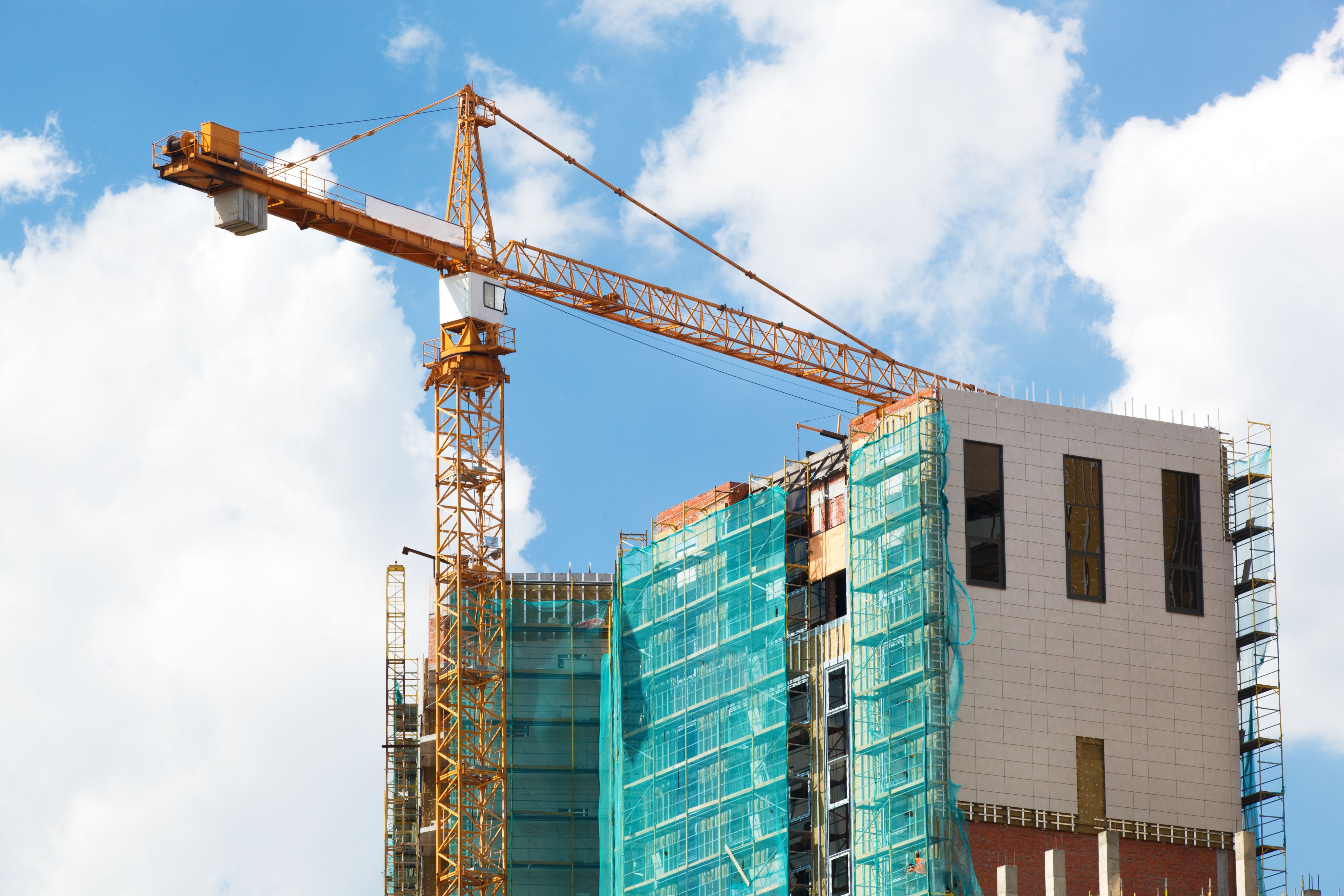
Commercial/Mixed-Use
Commercial/Mixed-Use
- Hospitality & Leisure
- Financial & Commercial Buildings
- Mixed-Use Landmark Developments




Inputs for Specifying GRP Handrails for Safety and Perimeter Protection
Confirm the guarding layout, structural interfaces and operating environment before selecting the GRP handrail configuration.
Guarding geometry and load criteria
Provide the handrail layout, applicable guarding geometry and project load criteria for the proposed system.
Posts, supports and fixing arrangement
Confirm post positions, supporting structure, base connections, corners, returns and adjoining edge conditions.
Environmental exposure
Identify chemical, coastal, moisture, weather and other exposure conditions relevant to material and fixing selection.
Gates and operational clearances
Define access gates, openings, stairs, maintenance routes and operational clearances intersecting the handrail line.
Frequently Asked Questions About GRP Handrails for Safety and Perimeter Protection
Direct answers to common early-stage specification and coordination questions.
The layout should reflect the guarding geometry, load criteria, platform edges, post positions, gates, stairs and required operational clearances.
Review post bases, support members, connection locations, corners, returns, gates, toe plates and adjacent flooring before finalising the fixing details.
Review structural and material evidence relevant to the proposed handrail layout, loading, supports and fixing system. It should match the intended configuration.