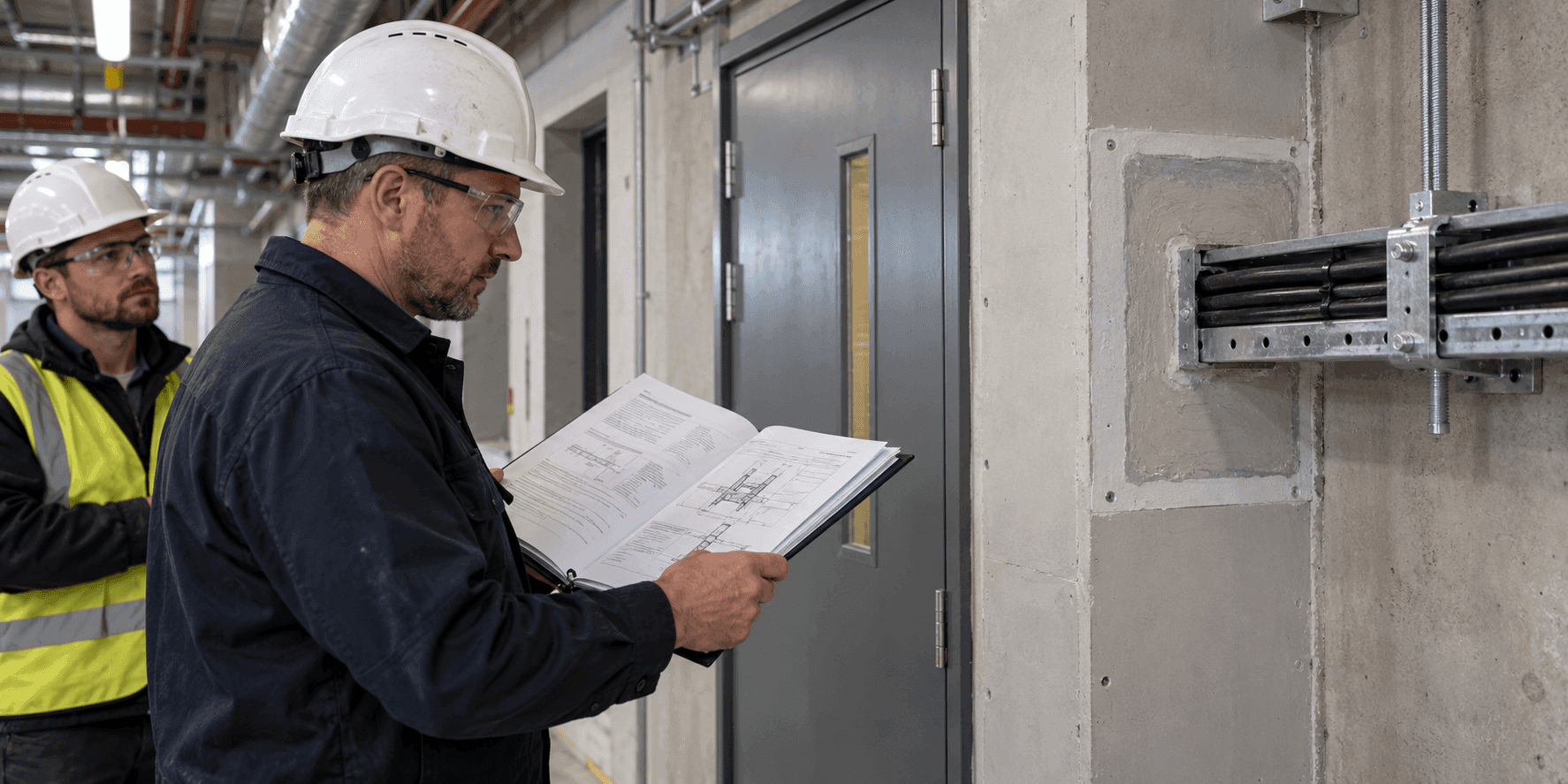
What Makes a Door a High-Security Door?
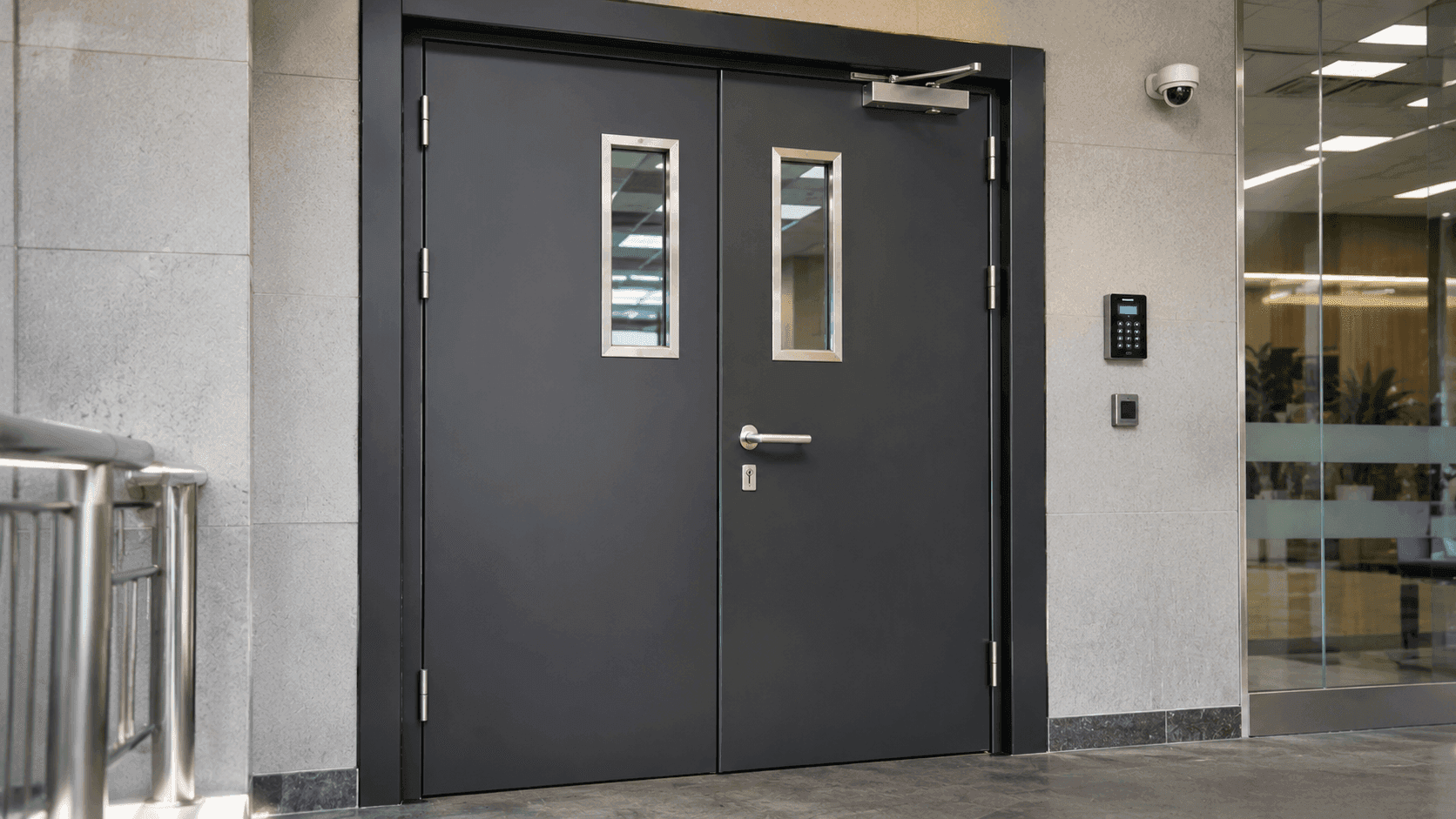
What Makes a Door a High-Security Door?
A high-security door is a doorset with demonstrated resistance appropriate to a defined threat. Its performance depends on the leaf, frame, locking system, hinges, glazing where fitted, and connection to the surrounding construction.
Steel thickness, door weight and the number of locking points cannot establish that performance independently. A substantial leaf may still sit within an unsuitable frame or rely on hardware outside the tested configuration.
For a specifier, the useful question is: does the evidence cover the complete opening being installed, against the threat identified for this location?
Define What “High Security” Must Mean
“High security” needs a measurable requirement behind it. Start with the protected asset, credible threat and intended operational response.
A door protecting equipment from opportunistic intrusion may need different resistance from an opening protecting personnel against a determined attack. The specification should establish the relevant tools, attack conditions and breach criteria through an appropriate testing framework.
Where forced-entry resistance is required, identify the applicable standard, edition and classification. Avoid accepting “security rated” as a complete description.
Also establish the attack side and normal operating condition. Evidence for a particular locked arrangement cannot automatically describe the door’s performance when only a different latch or access-control device is engaged.
Examine the Leaf and Frame Together
The leaf’s materials, core, reinforcement, joints and edge construction influence how the assembly responds to loading and attack. Thickness alone does not describe these relationships.
The frame provides the connection between the moving leaf and the building. Its profile, reinforcement, corners, hinge positions and lock keeps need to work with the specified leaf and hardware.
Secured by Design identifies doorset security standards as applying to complete assemblies, including the frame, leaf and hardware. Doors That assembly approach should guide the review.
Check whether the evidence covers the proposed dimensions, single- or double-leaf arrangement, opening direction, sidelights and glazing. A larger opening or added vision panel requires confirmation of applicability.
Treat Hardware as Part of the Resistance
Locks, hinges, cylinders, handles and protective fittings contribute to the doorset’s behaviour. Their individual credentials do not establish the security classification of the assembled door.
Review how locking points engage with the frame, how hinges are attached and how local reinforcement supports the hardware. For double doors, include the meeting stiles and inactive-leaf locking arrangement.
Access control also needs coordination. Readers, electric locking, cable transfers and release devices can change the physical assembly or its operating condition.
For example, replacing a specified lock with an electrically operated alternative may require new preparation in the leaf or frame. Similar dimensions or a familiar brand name do not establish compatibility with the original evidence.
Resolve the Connection to the Wall
The frame transfers forces into its anchors and supporting construction. This makes the wall interface part of the security design.
Confirm substrate type, wall condition, fixing specification, embedment, centres, edge distances and installation tolerances. Packing must support the intended connection without introducing an unsupported gap or relying on an unverified installation detail.
Existing openings deserve particular attention. An architectural drawing may show a masonry wall without identifying its actual construction, reinforcement or condition.
The wider physical security protection strategy should also consider adjacent glazing, service openings and accessible voids. A well-specified door cannot establish the resistance of the surrounding boundary.
Separate Security From Other Performance Requirements
Forced-entry, ballistic, blast and fire resistance address different exposures and acceptance criteria.
Where handgun and rifle protection is required, the specification needs applicable ballistic evidence. A forced-entry classification does not establish projectile resistance.
Likewise, a door needing both fire resistance and security must have evidence applicable to the proposed combination. Hardware, glazing, seals and installation details must remain compatible with both requirements.
Emergency escape and accessibility also need resolution early. The security arrangement must accommodate the required release operation without leaving contradictory instructions for the installer.
Verify the Installed and Maintained Configuration
Before accepting a high-security doorset, confirm:
The threat and required classification are defined.
Evidence identifies the applicable assembly and permitted variations.
Dimensions, hardware and glazing match the approved configuration.
Supporting construction and anchorage are suitable.
Access-control and escape functions are coordinated.
Installation checks and operating tests are recorded.
Replacement parts and later alterations are controlled.
Handover should identify the installed doorset, approved hardware and maintenance requirements. Inspections should then address wear, damage, locking engagement, loose fixings and unauthorised changes.
A high-security door earns that description through defined performance, applicable evidence and a suitable installation. Maintaining those conditions keeps the specification meaningful after the building enters service.