
What Happens When the Environment Becomes the Risk?
Material selection is rarely just a question of strength or cost. In infrastructure exposed to moisture, chemicals, salt, UV and changing operating conditions, the environment can be one of the most important design inputs.
The environment in which infrastructure operates has a significant influence on how materials perform over time. Whether exposed to moisture, chemicals, salt, UV or changing temperatures, different environments place different demands on the materials used to build and maintain infrastructure.
For engineers and specifiers, the implication is that material selection cannot be separated from the conditions in which a component will operate. A material that performs well in one application may not be suitable for another, even if the structural requirements are similar. The environment, the function of the component and the conditions it will experience throughout its service life all need to be considered together.
Different environments create different demands
The conditions surrounding a material can vary significantly from one facility to another. In a wastewater treatment plant, persistent moisture and corrosive atmospheres can become a constant part of the operating environment. In a battery storage facility, chemical exposure may sit alongside substantial structural loads. Coastal infrastructure can face a combination of saltwater, humidity and UV exposure, often with frequent pedestrian and maintenance traffic. Even at a data centre, where internal conditions are tightly controlled, external access systems and roof-level infrastructure remain exposed to rainfall, humidity, temperature changes and prolonged sunlight.
The same principle applies across industrial and process environments, where hydrocarbons, solvents, acids or alkaline substances may influence material selection. Transport infrastructure can add demanding pedestrian and maintenance requirements to normal weather exposure, while utility and electrical installations may require materials that combine corrosion resistance with electrical non-conductivity.
In each case, the challenge is not simply identifying whether an environment is considered “harsh”, but understanding the specific conditions a material will be expected to withstand throughout its service life.
What happens to materials over time?
Environmental exposure can affect both the material itself and the wider system in which it is used. The way this happens depends on the material and the conditions it encounters. For a structural or access application, loading, span, stiffness and deflection remain fundamental. The geometry of a profile or grating, support spacing and fixing arrangement can all influence performance. Chemical exposure may require consideration of the particular substance, concentration, temperature and duration of exposure. External applications may also require attention to UV exposure, temperature variation, drainage and surface performance.
These requirements mean that two products can both be described as GRP while being designed for quite different applications. Selecting the material category is therefore only the starting point. The system needs to be assessed against the conditions and performance requirements of the project.
For conventional metallic systems, moisture, chlorides and chemicals can contribute to corrosion, potentially affecting section thickness, connections and maintenance requirements. Other materials experience different forms of environmental degradation. Moisture, temperature, UV exposure, chemical environments and repeated wet-dry cycles can all influence material performance over time, with the significance of each factor depending on the material and the specific application.
The wider installation also matters. Fixings, supports, joints and interfaces may respond differently to the surrounding conditions, particularly where different materials are used together. A material that performs appropriately on its own does not necessarily mean that every component of the completed system will perform in the same way.
This makes environmental resistance only one part of the material-selection decision. Structural requirements, functional requirements, connections, maintenance and expected service life also need to be considered against the conditions the material will face.
Where GRP fits
For some applications, these requirements can make glass reinforced polymer, or GRP, worth considering alongside more conventional materials.
GRP does not corrode through the same electrochemical process as unprotected steel, which can make it relevant in selected marine, wastewater, chemical and utility environments. Its relatively low weight can simplify handling and installation, particularly where access is restricted or lifting requirements are difficult. Its electrical non-conductivity can also be relevant around electrical infrastructure.
These characteristics have made GRP useful across a range of infrastructure applications. But they do not make GRP automatically suitable for every environment, nor do they mean that all GRP products will perform in the same way.
GRP is a broad category of composite materials. Performance can vary according to the resin system, reinforcement, manufacturing process, geometry, surface treatment and connection arrangement. Environmental compatibility also needs to be considered against the actual conditions of the application rather than assumed from the material description alone.
The material is only part of the specification
Once GRP is being considered, the question becomes more specific. What does the system need to do, and under what conditions?
For a structural or access application, loading, span, stiffness and deflection remain fundamental. The geometry of a profile or grating, support spacing and fixing arrangement can all influence performance. Chemical exposure may require consideration of the particular substance, concentration, temperature and duration of exposure. External applications may also require attention to UV exposure, temperature variation, drainage and surface performance.
These requirements mean that two products can both be described as GRP while being designed for quite different applications. Selecting the material category is therefore only the starting point. The system needs to be assessed against the conditions and performance requirements of the project.
Four projects, four different conditions
The practical implications become clearer when the same material category is considered across different infrastructure environments.
At a battery storage area at an Etihad Rail depot in Abu Dhabi, GRP grating was selected for an environment where battery acid leakage was a consideration. The system also had to accommodate loads of up to 17.5 kN/m² while allowing acid to drain into the sump below. Here, corrosion resistance, drainage and structural loading all formed part of the material decision. .
At the Al Ghayl Sewage Treatment Plant in Ras Al Khaimah, existing steel access infrastructure had deteriorated in a demanding wastewater environment. Approximately 196 m² of chequer plate across the membrane bioreactor and Anoxic areas was replaced with GRP systems. The work also had to accommodate existing handrails and supports, making the relationship between the replacement system and the existing structure an important consideration.
At Khazna Data Center in Dubai, the application was different again. The requirement was for roof drainage infrastructure, with 451 linear metres of GRP grating installed using 35 mm Mini Mesh for a 5 kN/m² load capacity. Here, drainage, loading and long-term reliability formed part of the material decision alongside environmental durability.
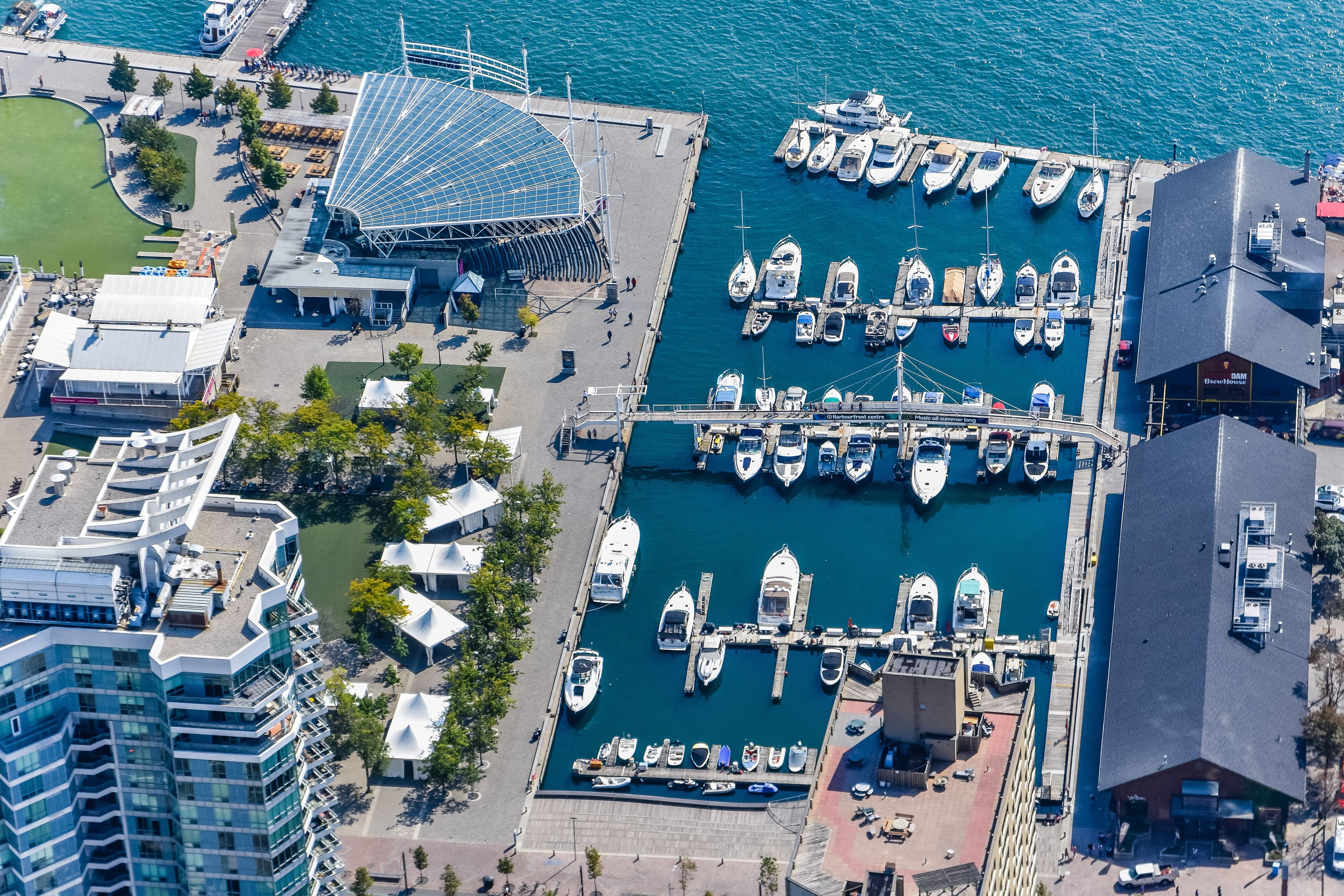
At Dubai Harbour, the surrounding environment was defined by the marina setting. Saltwater, humidity, UV exposure and high pedestrian use formed part of the operating conditions. Existing wood-plastic composite decking across marina areas including pontoons, fingers and gangway access was replaced with GRP composite decking. In this case, the material had to respond both to the marine environment and to the demands placed on the surface through everyday use.
The four applications are different, but the principle is the same. The material was not selected simply because it was GRP. The environment, the function of the component and the performance required from the completed system all influenced the specification.
Looking beyond corrosion
Corrosion resistance is often one of the reasons engineers consider GRP, particularly in marine, wastewater and other environments where prolonged exposure to moisture, salts or corrosive substances is a concern. It should not, however, become the only measure of suitability.
For externally exposed systems, UV and temperature need to be considered. For chemically exposed applications, compatibility needs to be assessed against the actual conditions. For structural applications, loading, span, stiffness and deflection remain fundamental. The performance of fixings, supports, joints and interfaces also forms part of the overall system.
The result is a more complete question than simply, “Will this material corrode?” It is whether the material and the system around it can continue to meet the requirements of the application under the conditions it will experience.
The decision continues beyond installation
Material selection also has consequences after installation. A lower initial-cost material may require more frequent coating, inspection, repair or replacement in a particular environment. A more durable material may reduce some intervention requirements, but its suitability and whole-life value still need to be established for the specific application.
Installation, inspection, maintenance, access requirements, replacement and potential operational disruption can all influence the overall value of a material choice. For infrastructure where access is difficult or maintenance activities affect critical operations, these considerations can become particularly important.
This is also where the original design conditions matter. A material selected with the actual environment and expected service life in mind can help reduce the need to revisit the same material decision later through repair or replacement.
Designing for the conditions
There is no single definition of a “harsh environment”, and there is no single material that is right for every one.
The more useful starting point is to understand what the material will be exposed to, what it will need to carry or support, how it will be connected, and what will be expected of it throughout its service life. GRP can be an appropriate option where properties such as corrosion resistance, lower weight or electrical non-conductivity are important, but the material category alone does not determine suitability.
The examples across battery storage, wastewater, data centre and marine infrastructure show how differently the same material can be specified according to the conditions of the application.
For engineers and asset owners, that is the more important consideration: not simply choosing a material that performs well in a general sense, but selecting a system that is appropriate for the environment in which it will actually operate.