What Does It Take to Protect a Landmark for the Next Generation?
Sheikh Zayed Grand Mosque is designed to endure. Its architecture, materials and scale were conceived to create a landmark that would remain part of Abu Dhabi for generations.
But while a building can look much the same over the years, the systems behind it rarely stay that way.
The Mosque welcomed more than 6.8 million guests in 2025, bringing together worshippers, visitors and participants in cultural programmes. Behind the marble, domes, columns and courtyards is a network of mechanical, electrical and life-safety systems that quietly keeps the building working every day. Ventilation, smoke extraction, mechanical plant and other services may not be what visitors notice, but they become critical when something goes wrong.
That creates a particular challenge for buildings like this. They are expected to last for generations, while the infrastructure supporting them has to change along the way. Equipment reaches the end of its service life, building services are upgraded, environmental conditions change and new requirements emerge. The work has to happen without losing sight of the building itself.
So what does it take to keep an icon safe, functional and ready for the next generation?
When the building outlasts its systems
Long-life buildings inevitably change. For a conventional building, replacing an ageing system may be relatively straightforward. In an iconic building, there is usually much more to consider. The new system has to work around existing structure, finishes and services, while the building itself may remain open and in use.
Sometimes, a like-for-like replacement is not enough. If the conditions that caused the original problem are still there, putting the same system back in the same place may simply recreate it. Before replacing a failed system, it is worth asking a more basic question: why did it fail in the first place?
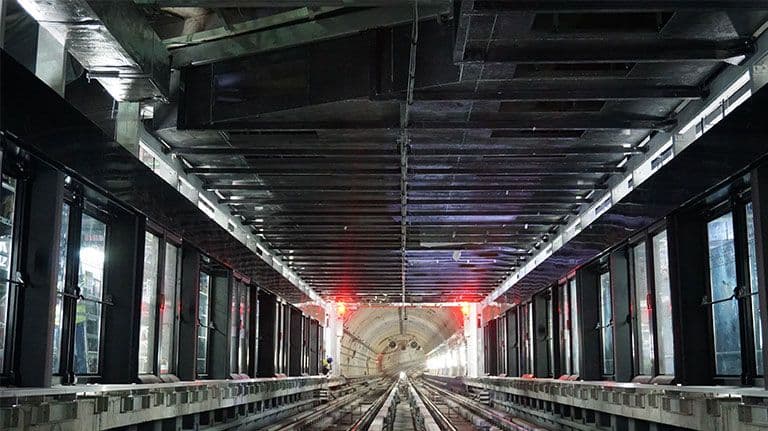
The Sheikh Zayed Grand Mosque offers a useful example. Its basement parking-area ventilation and smoke-extraction system used galvanised-iron ductwork installed below ground level. According to the project record, the system became severely corroded after seawater entered the ducts because of their position below the water table.
The solution was not simply to replace the damaged ductwork. The system was redesigned and rerouted above ground, using the space between existing structural I-girders. The new fire-rated supply and extract ducts were connected to the existing fans in the mechanical rooms, while the revised route had to work around the building's other services.
Sprinklers, cable trays, lighting and utilities that conflicted with the new route had to be removed, capped or rerouted. New wall openings were created for the duct connections and existing openings were closed. Fire-rated metal grilles and curved cladding were also incorporated into the revised arrangement.
What looks on paper like a ductwork replacement was therefore much more involved. It meant understanding why the original arrangement had become unsuitable, finding a better route through an existing building and making the new system work with everything already around it.
For owners and project teams dealing with an ageing landmark, that distinction matters. A replacement can restore a system, but a redesign can address the reason the original arrangement stopped working.
The building around the system matters too
This is where retrofit work becomes very different from designing protection for a new building. There is no blank space to work with. The structure is already there, the services are already routed and the finishes may be difficult or undesirable to disturb.
Visitors experience the architecture, the spaces and the atmosphere. They rarely see the ducts, plant rooms, cable routes, fire systems and other services working behind the scenes. Yet those systems are part of what allows the building to function safely.
When one of them needs to change, it rarely gets to change on its own. A new duct may need to pass between existing structural members. A new opening may have to be created through a wall. A service route may conflict with cable trays or sprinkler pipework. Even access for future maintenance can become a design consideration.
The Mosque project demonstrates why this coordination needs to happen early. The revised duct route had to be developed around existing structural elements and coordinated with other building services rather than treated as a standalone installation.
The same principle applies to fire and smoke-control systems more broadly. Their performance depends not only on the main component, but on how the complete system is put together. Joints, supports, insulation, grilles, penetrations and connections to the surrounding structure all form part of the final arrangement.
For an existing landmark, the building around the system is therefore part of the engineering problem and part of the solution.
What happens the next time it needs to change?
There is another question that can easily be overlooked when an upgrade is being planned: what happens the next time someone needs to work on it?
A system installed today may eventually need to be inspected, repaired, replaced or modified. Another service may need to occupy the same space. Access that seems adequate during construction may be much harder to achieve years later. For a landmark that remains open to the public, work may also have to be planned around visitors, worshippers, cultural programmes and the normal operation of the building.
That means the success of an upgrade cannot be measured only by whether the new system works when it is handed over. It also depends on whether someone can reach it, inspect it and work on it later without creating another major intervention.
This is a simple question, but one that can change the way a retrofit is designed: if this component needs to be replaced ten years from now, how will someone actually get to it?
Thinking about that at the design stage can influence routes, access points, supports and the way different systems are coordinated. It can also reduce the need to disturb significant finishes or disrupt the building when maintenance eventually becomes necessary.
The Sheikh Zayed Grand Mosque project is a reminder that upgrading an existing landmark is rarely just about installing a new system. It is about finding a way for that system to work within the building as it exists today, while leaving enough room for the building to change again tomorrow.
Designing landmarks that can keep evolving
The Mosque is one example of a wider challenge facing iconic buildings across the region. Many of today's cultural, religious and civic landmarks are expected to remain in use for decades, serving generations of visitors while the technology and services around them continue to develop.
Their structures may be designed to last, but the systems within them will not remain unchanged. Ventilation equipment will be replaced. Electrical systems will be upgraded. New services will need space. Safety requirements will evolve. Environmental conditions may expose weaknesses that were not obvious when the original system was installed.
That makes the ability to adapt an important part of long-term performance. A building does not necessarily need to remain untouched to preserve its character. It needs the right approach to change.
For owners and designers, that means looking beyond the immediate upgrade. What caused the existing problem? What does the new system need to work around? How will it be maintained? And what happens when it needs to change again?
These are practical questions, but they become increasingly important when the building itself carries cultural, architectural or public significance.
For a landmark, longevity is about more than keeping the structure standing. It is about allowing the building to continue serving the people who use it, while the systems behind it evolve with time.
Perhaps that is what protecting an icon for the next generation really means: not keeping everything exactly as it was, but making sure the building has what it needs to keep going.