Fire Safety Compliance Workshop (UK / Middle East / India updates)
Fire safety is a fundamental requirement in modern infrastructure, particularly in environments where large numbers of people gather and where evacuation can be complex and time-sensitive. High-rise buildings and airports represent two of the most demanding fire-risk scenarios due to their height, scale, occupancy density, and operational complexity. In these environments, multi-hour fire-rated wall systems serve as a critical layer of passive fire protection, designed to contain fire, limit smoke spread, and protect structural integrity long enough to allow safe evacuation and emergency response.
Multi-hour fire walls are engineered to withstand extreme temperatures for extended periods, often two to four hours, without allowing fire to penetrate or spread to adjacent spaces. During a fire event, temperatures can exceed 1,000°C, causing structural deformation and rapid material failure in unprotected assemblies. Certified fire wall systems are tested under controlled furnace conditions that simulate real fire exposure, followed by mechanical impact and hose-stream tests. This ensures that the walls do not merely resist heat but also remain intact when subjected to physical stress during firefighting operations.
In high-rise buildings, vertical fire spread is one of the greatest risks, as flames and smoke can travel quickly through shafts, service ducts, and open floor plans. Multi-hour fire walls divide the building into protected compartments, slowing the movement of fire and giving occupants valuable time to evacuate. They also protect critical structural elements and life-safety systems, ensuring that stairwells, elevator cores, and refuge areas remain functional during emergencies.

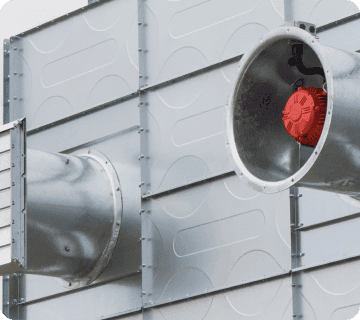
Airports present a different but equally complex challenge. With continuous passenger flow, large open terminals, fuel systems, baggage handling zones, and control centers, a single fire incident can disrupt operations on a massive scale. Multi-hour fire walls isolate high-risk areas and prevent fire from spreading across terminals or into essential infrastructure zones. This containment capability reduces downtime, limits financial loss, and supports faster recovery after an incident.
The performance of these fire wall systems is governed by strict international testing and certification standards. Fire-resistance ratings are validated through globally recognized protocols that evaluate heat resistance, structural stability, and smoke containment. Compliance with these standards ensures predictable performance in emergency conditions and provides regulatory confidence for building owners, developers, and authorities.
Beyond compliance, the long-term value of multi-hour fire walls lies in their contribution to life safety and business resilience. By slowing the progression of fire, they allow emergency teams to respond more effectively while minimizing damage to critical assets. Their presence also reinforces public trust in the safety of complex structures such as airports and high-rise towers.